Caterpillar Hydraulic Pump Replacement: OEM Wait, Rebuild, or Aftermarket

Construction and heavy-equipment buyers make replacement decisions under pressure. When a Caterpillar excavator, dozer, wheel loader, skid steer, or haul truck loses hydraulic power, the cost is not limited to the pump. The machine stops producing. Crews wait. Schedules tighten. Rental equipment may be needed. A small delay can ripple across an entire job site.
That is why a Caterpillar hydraulic pump replacement decision should be practical, not rushed. Buyers usually compare three paths: waiting for an OEM unit, choosing an aftermarket replacement, or rebuilding the existing pump. Each option can make sense, but the right choice depends on machine criticality, pump condition, part availability, budget, and how quickly the equipment needs to return to work.
At Panagon Systems, we understand that heavy-equipment owners need dependable hydraulic pumps and parts that support uptime. A replacement pump must fit correctly, deliver the required flow and pressure, and hold up under the punishment of construction work. Caterpillar equipment often runs in dust, heat, mud, cold starts, long duty cycles, and high-load applications. The pump must be selected with those conditions in mind.
Before buying anything, gather the pump model, machine model, serial information, photos of the data tag, shaft type, mounting flange, rotation, control style, and port layout. These details help prevent ordering errors. A pump that is close, but not correct, can create installation delays, overheating, weak performance, or early seal and bearing damage.
Recognizing Failure Symptoms Before the Pump Stops
A hydraulic pump usually gives warning signs before complete failure. Buyers and fleet managers who recognize those symptoms early have more options. They can plan a Caterpillar hydraulic pump replacement, schedule a rebuild, or source replacement parts before the machine is stranded.
Unusual noise is one of the first signs. A healthy pump has a steady operating sound. A failing pump may whine, growl, rattle, knock, or sound like gravel is moving through the housing. A sharp crackling noise can point to cavitation, while a hollow or hammering sound may suggest aeration. Both conditions can damage internal components and should be investigated quickly.
Reduced performance is another warning. Operators may report slower boom, bucket, blade, steering, or travel functions. The machine may feel weak under load or may lose response as the oil warms. If the pump cannot maintain flow or pressure, internal leakage may be increasing. Rising case-drain flow is especially important because it often indicates wear inside the rotating group or other sealing surfaces.
Heat is also a major clue. Hydraulic pump overheating can result from internal leakage, wrong viscosity, relief-valve losses, inlet restriction, contamination, or misadjusted controls. A hot pump housing, darkened oil, burnt odor, or frequent cooling-system demand should not be ignored.
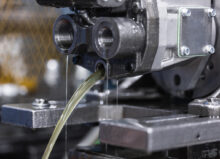
Visible signs matter too. Look for shaft seal leakage, loose mounting hardware, cracked hoses, oil around fittings, damaged case-drain lines, and metal particles in filters. If the system has shiny debris in the oil, repeated filter plugging, or pressure instability, the pump may already be shedding material. At that point, waiting too long can damage valves, motors, cylinders, and manifolds.
OEM Wait Times, Aftermarket Replacements, and the Cost of Downtime
OEM parts are often viewed as the default choice, and for some buyers, that may be the right path. The challenge is timing. OEM wait times can vary based on inventory, machine age, dealer supply, and demand for specific pump configurations. For a machine that is not mission critical, waiting may be acceptable. For equipment needed on an active construction project, a long lead time can be costly.
That is where aftermarket replacement options become important. A properly selected aftermarket pump can help buyers reduce downtime, control costs, and keep equipment productive. The key phrase is “properly selected.” A Caterpillar hydraulic pump replacement must match the original requirements closely enough to protect performance and installation fit.
Buyers should compare more than price. Confirm displacement, RPM range, GPM output, pressure rating, shaft type, mounting flange, porting, rotation, case-drain requirements, and control style. A lower-priced pump that requires major adaptation can cost more in labor and downtime than the right part from the beginning. Poor fit can also create alignment stress, bearing load, leaks, heat, and premature wear.
Aftermarket replacement is often attractive when the existing pump has severe wear, when the machine must return to service quickly, or when rebuilding would take too long. It can also make sense for older Caterpillar equipment where OEM availability is limited or uncertain.
Heavy-equipment buyers should also consider the total cost of ownership. Downtime, freight, installation labor, lost production, repeat failures, and collateral damage all matter. A good replacement decision balances availability, reliability, fit, and long-term performance, not just the purchase price on the invoice.
Repair, Rebuild, or Replace: Making the Right Call
A rebuild can be the best choice when the pump core is repairable and the damage has not spread too far. In a rebuild, worn components are identified and replaced so the pump can operate closer to its original specifications. This can be a strong option when the housing and major structural parts remain usable, when replacement parts are available, and when the buyer has enough time for inspection and rebuild work.
Repair is usually narrower. It may address a seal leak, damaged fitting, worn surface, or another localized issue. Repair can be cost-effective when the pump is mostly healthy. However, repairing one part does not always restore full pump performance. If internal leakage, rotating group wear, bearing damage, or contamination damage is present, a full rebuild or replacement may be more reliable.
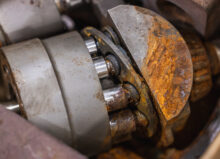
Replacement is often the right decision when the pump has severe scoring, major internal wear, metal contamination, high case-drain flow, cracked housings, damaged controls, or repeated performance failures. It may also be the best choice when downtime costs exceed the savings of rebuilding.
For Caterpillar equipment buyers, the most practical process is to ask four questions. How critical is the machine today? How severe are the failure symptoms? Is the existing pump a good rebuild candidate? Is a correct replacement pump available faster than a rebuild can be completed? The answers will usually point toward the best path.
A smart Caterpillar hydraulic pump replacement strategy also includes preventing repeat failure. Before installing the new or rebuilt pump, inspect the inlet line, filters, fluid condition, reservoir, case-drain routing, and system controls. If the old pump failed because of contamination, cavitation, aeration, misalignment, or overheating, the same conditions can damage the next unit.
Panagon Systems supplies hydraulic pumps and parts for demanding equipment applications, including buyers looking for practical solutions when OEM availability, rebuild timing, or failure symptoms create an urgent decision. If you need help identifying the right pump or parts for a Caterpillar hydraulic pump replacement, contact Panagon Systems. Our team can help you compare fit, configuration, and replacement options so your machine can return to work with confidence.