Cavitation vs Aeration: How to Diagnose and Silence Hydraulic Pump Noise
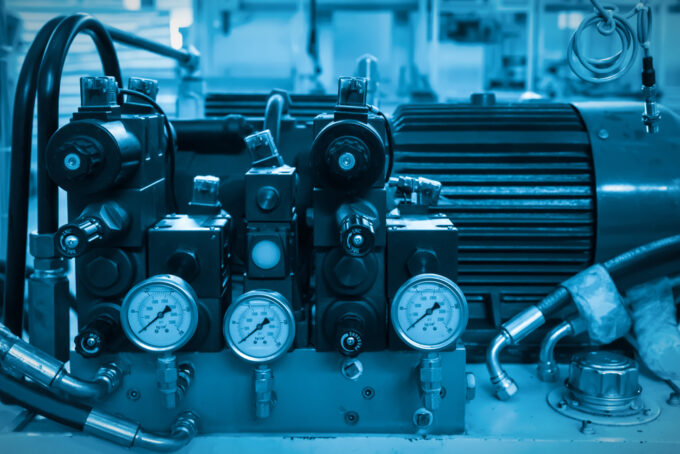
At Panagon Systems, customers often ask why a pump has become loud when the rest of the system seems unchanged. The most common culprits are cavitation and aeration. Both create bubbles, both can cause a rattling or growling sound, and both reduce efficiency. Yet they are not the same. Knowing the difference is the first step to fast, effective troubleshooting. When you understand cavitation vs aeration, you can protect components, restore smooth operation, and prevent repeat failures.
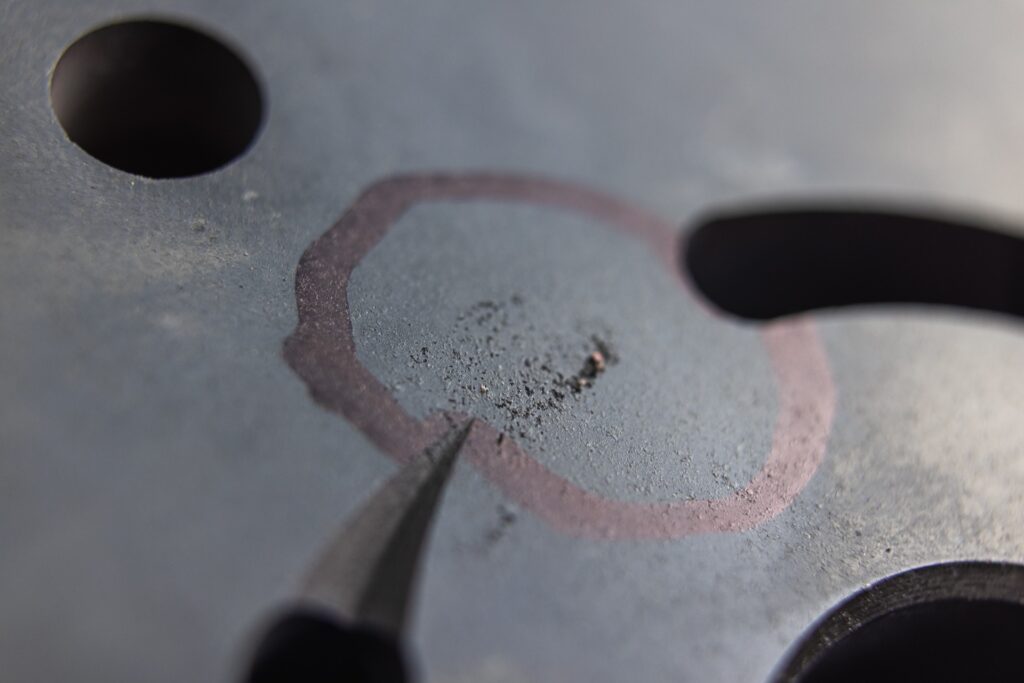
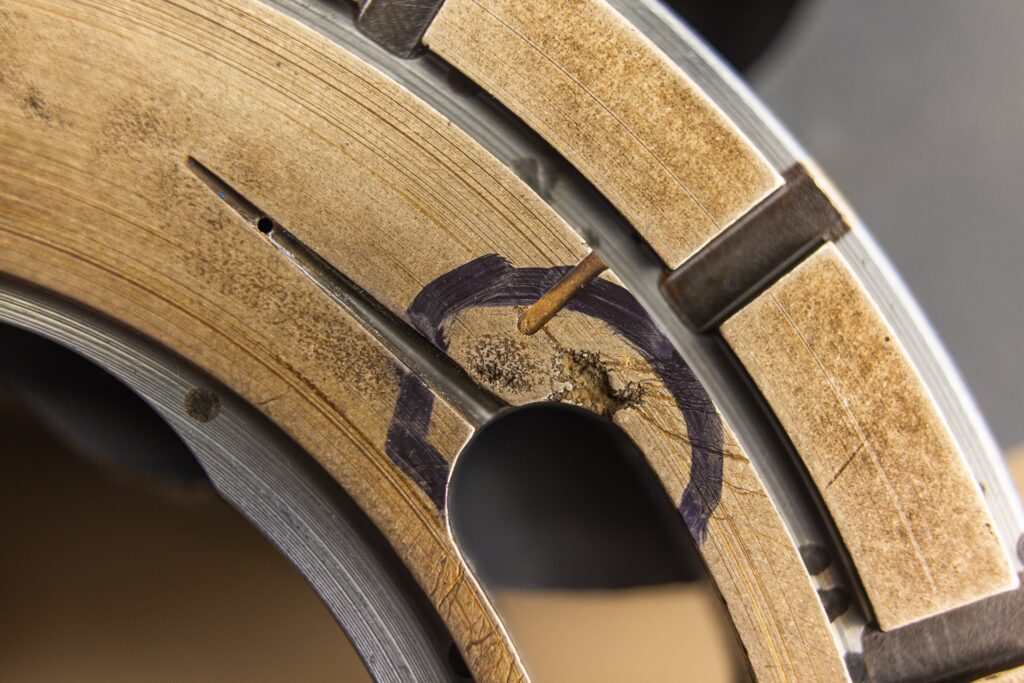
Cavitation occurs when vapor bubbles form in low pressure zones of the hydraulic circuit. Those vapor cavities collapse as they move into higher pressure regions, which releases energy at the metal surface. Over time, this damages port plates, slippers, bearings, and housing surfaces. Aeration occurs when free air is pulled into the circuit from the outside or released from the fluid. Air compresses and decompresses with each pump cycle and creates spongy response, heat, and oxidation. The symptoms overlap, but the fixes do not. A correct diagnosis saves time and protects your budget.
In this guide, we explain each issue, show how to tell them apart, and share practical steps to solve hydraulic pump noise. We also offer a simple checklist you can use in the field. If your system is already loud, we can test and remanufacture the pump, then help you eliminate the conditions that caused the problem in the first place.
What Cavitation Is and Why It Happens
Cavitation is a phase change event inside the hydraulic circuit. It begins when absolute pressure falls below the fluid vapor pressure at the local temperature. That often happens on the suction side of a pump or in areas with high velocity and sharp restrictions. The result is a stream of vapor bubbles that collapse when pressure rises, which produces the classic crackling or gravel sound.
Common causes include undersized suction lines, clogged strainers, collapsed hoses, tight bends near the inlet, and low tank levels. Cold starts are risky because viscosity is high and suction side pressure drop increases. High pump speed without adequate inlet conditions is another trigger. Even a minor restriction can pull the inlet below safe pressure at higher RPM.
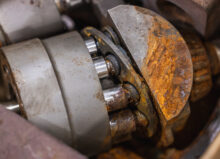
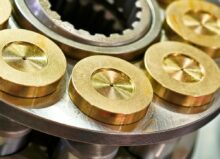
Cavitation noise is harsher than normal pump whine. You may also see small spikes on pressure traces and a rise in case drain flow as internal leakage increases. Over time, cavitation leaves a frosted or pitted appearance on metal surfaces. Volumetric efficiency falls, heat rises, and operators report sluggish control followed by sudden jumps in motion.
Check inlet conditions first. Measure absolute pressure at the pump inlet and compare it to the minimum recommended by the pump maker. Inspect suction hoses for softness or flattening. Open the tank and verify that return oil does not churn near the inlet pipe. Review cold start procedures and warm the oil to a safe range before applying load. If cavitation has been active for some time, a fluid sample may show elevated metal particles that match the pump’s internal metallurgy.
What Aeration Is and How It Differs
Aeration is the presence of free air bubbles in the hydraulic fluid. The most common sources are air leaks on the suction side, loose fittings, cracked hoses, and poor reservoir design that allows return oil to entrain air. Air can also come out of solution when fluid is agitated or when pressure drops quickly in the circuit.
Aerated oil looks milky in the sight glass and may create foam at the top of the reservoir. Pump noise becomes a hollow, hammering sound rather than a sharp crackle. Controls feel spongy because air compresses under load. Operators may notice overshoot in positioning, slower responses, and drifting actuators. Temperature often climbs because compressing and decompressing air turns energy into heat.
Start by checking for leaks on the suction side. A fitting that is tight enough to hold oil may still pass air under slight vacuum. Spray soapy water on suspect joints and look for telltale draws. Inspect the reservoir. Return lines should discharge below the fluid level and away from the suction pipe. Baffles should slow the flow and give bubbles time to rise. Verify the breather is clean and sized correctly. If you see foam, turn off the machine and observe how long it takes to clear. Long clearing times point to high air content and poor de aeration in the tank.
Cavitation damage is mechanical erosion from collapsing vapor bubbles inside the pump. Aeration is a control and lubrication problem driven by free air entering or being released into the fluid. Cavitation can destroy metal surfaces even when the fluid looks clean. Aeration degrades lubrication, raises oxidation, and causes erratic motion. Both create noise, but the tone and the fix are different.
Troubleshooting Hydraulic Pump Noise With Confidence
A fast diagnosis starts with a simple sequence. At Panagon Systems, we recommend the following steps when a pump is noisy.
- Verify fluid level and viscosity. Low oil exposes the suction pipe and pulls air. Wrong viscosity raises pressure drop at the inlet. Bring the level to spec and confirm the grade matches your temperature range.
- Inspect the suction path. Look for kinks, tight elbows, clogged strainers, and soft hose sections. Replace suspect parts and route lines to minimize restriction. Confirm the inlet port is clean and that gaskets are seated.
- Check for air leaks. Tighten or reseal fittings from the tank to the pump. Replace cracked or aging hoses. Test with a light vacuum if possible. Even tiny leaks can entrain air and make a pump roar.
- Look at the reservoir. The return flow should be submerged and directed away from the suction. Add or extend baffles if oil churns near the inlet. Confirm the breather is clean and consider a desiccant style to control moisture.
- Warm the system correctly. On cold mornings, allow the oil to reach a safe start temperature by cycling low load functions and by using tank heaters where available. Cold, thick oil raises the risk of cavitation.
- Sample the fluid. Milky appearance and foam point to aeration. Elevated metals or varnish suggest long term stress and heat. Use ISO 4406 particle counts and water testing to build a complete picture.
- Monitor case drain and temperature. Rising case drain flow signals internal wear. A pump that runs hot while the rest of the circuit is cool may have suffered from cavitation and needs evaluation.
If noise continues after these checks, remove the pump for testing. On our stands, we measure flow, pressure, efficiency, and noise across speed and temperature. This confirms whether the problem lives in the component or in the circuit. If wear is present, we can remanufacture the unit and return it with clear recommendations to prevent a repeat case of cavitation or aeration.
Preventing Repeat Failures With Smart Design and Care
Prevention is less costly than repair. Good design and disciplined maintenance will keep bubbles out and metal safe.
Design for stable inlet conditions. Use generous suction line sizes and gentle bends. Keep strainers coarse enough to avoid restriction or remove them and rely on proper filtration elsewhere. Place the pump below the tank level when possible.
Choose the right reservoir layout. Size the tank to give adequate dwell time. Submerge return lines and separate them from the inlet with baffles. Use diffusers to slow the returning jet. Fit a high quality breather and service it on schedule.
Control contamination and water. Clean fluid resists both problems. Particles damage surfaces and increase leakage, which reduces inlet pressure and invites cavitation. Water reduces lubricity and promotes foaming. Use efficient filtration, transfer carts for new oil, and desiccant breathers.
Tune operating practices. Warm up the machine before heavy load. Avoid sudden swings from idle to full speed. Train operators to report new noises early. Record changes in ambient conditions since temperature shifts affect both inlet pressure and dissolved air.
Partner with experts. Panagon Systems supports customers with testing, cross referencing, and remanufactured pumps and motors that meet strict standards. We pair every build with practical guidance that keeps each unit in a safe operating window. When you understand cavitation vs aeration and act on the differences, your hydraulic equipment becomes more reliable, quieter, and more efficient.
If you are hearing new noise or you suspect cavitation or aeration, contact Panagon Systems. We will help you diagnose the root cause, repair or replace the affected components, and set up a plan that prevents repeat issues.