Cold Weather Hydraulics: Start-Up Procedures, Viscosity Strategy, and Seal Life
At Panagon Systems, we help customers keep machines productive in every season. Winter puts hydraulics under special stress. Oil thickens, seals stiffen, and clearances tighten. The result is slower response, noisy starts, and higher pressure spikes. Cold weather hydraulics is about controlling these risks so pumps, motors, and valves reach operating condition quickly and safely. Good winter habits save fuel, protect components, and prevent the small injuries that grow into major failures by midseason.
Cold start damage often happens in the first minutes of the day. Viscosity rises as temperatures drop, which means the pump must pull harder through suction lines and filters. If inlet pressure falls too low, vapor bubbles form and collapse inside the pump. That cavitation scars metal surfaces and raises case drain flow. Moisture creates a second threat. Condensation and leaky breathers add water to the reservoir. In freezing weather, ice crystals can score parts and block orifices. Even when they do not freeze solid, water reduces lubricity and speeds oxidation. These two forces work together and push systems toward heat and wear.
The good news is that winter reliability is a choice. With a short start-up plan, a smart viscosity strategy, and seal care that matches your climate, you can run cleaner and quieter all season. The sections below outline practical steps you can put to work today.
Start-Up Procedures in Freezing Conditions
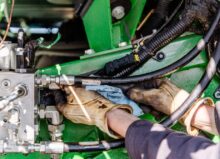
Begin with inspection before you hit the key. Walk the machine and look for weeping fittings, soft spots in hoses, cracked boots, and loose clamps. Minor leaks get worse when elastomers contract. Tighten suction side connections first, since air can slip in where oil does not leak out. Verify the reservoir level and check the breather. If the breather is saturated, replace it with a desiccant style to keep moisture out.
Warm the system gradually. If you have tank heaters, set them to bring oil above the safe start temperature for your grade. If you do not, plan a no load warm up. Start the engine or motor and let the pump run at low speed for a few minutes. Cycle functions slowly in sequence. Extend and retract cylinders with short strokes. Spin motors without load. This moves oil into tight spaces and raises temperature gently. Do not slam to full stroke or hit relief early in the day. The goal is flow without shock.

Watch inlet conditions. Suction restrictions are the most common winter problem. Confirm that strainers are not too fine. A coarse screen or no strainer is often best when you have good return filtration. Check that suction hoses are short, straight, and stiff enough to avoid collapse. If your sight glass turns milky during warm up, aeration is present. Look for loose fittings, cracked hoses, or return jets that churn the fluid near the suction pipe.
Monitor pressure and temperature as you warm. If you see pressure spikes during small control inputs, slow the routine and give the oil time to thin. Keep an eye on differential pressure across filters. Cold oil can trigger bypass in clogged elements, which sends unfiltered fluid through the system. Start the season with fresh filters to reduce that risk. A clean element with the right beta rating supports safe warm ups and steady control.
Close the start-up with a quick health check. Listen for new noise. Feel for abnormal vibration. Note the time it takes to reach normal temperature. If the machine needs longer than last season, you may have rising internal leakage or an undersized heater. A few minutes spent here protects hours of runtime later in the day.
Viscosity Strategy and Fluid Management
Your fluid plan is the most powerful tool in cold weather hydraulics. The target is simple. Choose a viscosity that allows safe starts at your lowest ambient and still holds film strength at operating temperature. To get there, consider base oil, viscosity index, and additive health.
Pick the right grade for your climate and duty cycle. Many fleets shift to a lower winter grade with a high viscosity index. High VI fluids resist thinning as they warm, which keeps clearances protected during heavy work. Synthetic options can cut start-up torque and reduce cavitation risk in extreme cold. Match the grade to the pump maker’s viscosity and temperature windows, and confirm that downstream valves and actuators are compatible with the selection.
Keep new oil clean and dry. Drum oil rarely arrives at the cleanliness code your pump needs. Filter all incoming fluid through a dedicated transfer cart with an element sized for fine particle control. Use sealed quick connects and keep funnels off the floor. Store drums inside when possible, and fit totes with desiccant breathers. Moisture control is central to winter because daily temperature swings draw air into and out of the reservoir. A quality breather stops both particles and water.
Filter continuously. Choose return and pressure elements with high efficiency and low pressure drop. Install differential gauges or sensors so you can time changes based on data, not guesswork. An offline kidney loop helps polish fluid during idle and is very effective at holding tight ISO 4406 codes without starving the pump at cold start. If your site has long idle periods, consider running the offline loop before the morning start to warm and clean the oil.
Watch additive life. Oxidation accelerates in systems that ran hot before winter or that ingest air. Varnish raises friction and can glue spools, which is more obvious in the cold. If you see sticky control response or rising temperature at normal loads, test the oil. When in doubt, change it before the freeze. Fresh oil, healthy additives, and the right viscosity are a reliable path to winter uptime.
Seal Life, Storage, and Maintenance for Winter Readiness
Seals and elastomers lose flexibility at low temperatures. This can lead to hard starts, micro leaks, and premature wear. A small plan preserves seal life and protects the whole system.
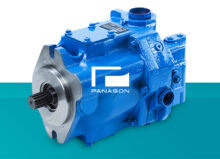
Match materials to conditions. Nitrile works in many cases, but some applications benefit from hydrogenated nitrile or fluorocarbon in cold environments. If you operate well below freezing, ask about low temperature rated compounds that hold elasticity and resist cracking. Panagon Systems can advise on seal materials that suit your fluid and ambient range, and we can supply pumps and motors built to those specifications.
Protect rod wipers and shaft seals. Rod wipers keep abrasive particles and ice crystals out of cylinders. Inspect them for cuts and hardness before winter. Shaft seals on pumps and motors should be checked for weeping and replaced if brittle. A small leak that looks minor at 60 degrees can grow quickly in subfreezing air.
Control storage conditions. Spare pumps, motors, and seal kits should live in a clean, dry space away from sunlight and ozone sources. Bag and label parts, and note production dates so inventory turns before materials age. If a component sits for months, rotate shafts by hand on a clean bench to distribute oil and prevent set marks on bearings and seal lips.
Tie seal care to operating practices. Avoid rapid swings from cold idle to full pressure. Give seals time to warm with the fluid. Align shafts and couplings during service to prevent side load. Replace filters on schedule so particles do not abrade sealing surfaces. Keep breathers fresh to limit moisture that can stiffen seals and promote corrosion. These habits extend service intervals and protect expensive components through winter.
Cold weather hydraulics comes down to a few disciplined choices. Warm up gently, choose viscosity with a clear plan, and use seal materials suited to the climate. Follow these steps and pumps run quieter, valves respond cleanly, and operators gain confidence on the coldest mornings. For replacement components engineered for winter performance, contact Panagon Systems for hydraulic pumps and motors built to precise standards.