Talk to an Expert: 586-786-3920

Cross-Referencing Obsolete Hydraulic Pump Parts: Vickers and Danfoss to Panagon
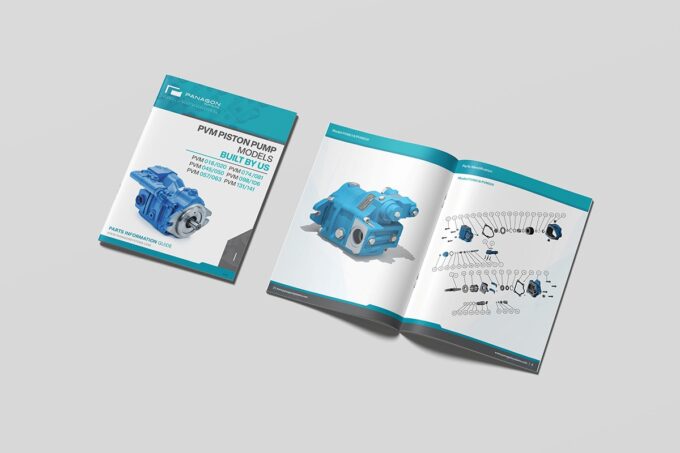
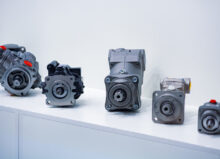
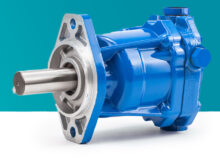
pvm piston pump models guide

If you run legacy equipment, you know how a single missing pump or motor can halt a job. The moment you discover that a Vickers or Danfoss number is discontinued, the search becomes a race against time. Schedules slip, budgets expand, and machines wait on a part that may never ship. At Panagon Systems, we help customers turn that moment around. Our team specializes in cross-referencing obsolete hydraulic pump parts to high quality Panagon replacements that match form, fit, and function. The goal is simple. Keep your equipment productive without changing your process or redesigning a system.

Obsolescence creates several risks. First is confusion in purchasing. A part might have multiple supersessions or regional variations that look similar but are not identical. Second is performance drift. A near match can create heat, noise, or reduced efficiency. Third is documentation gaps. Older machines may have worn data plates or missing manuals. We solve all three problems by combining technical archives, hands-on inspection, and a methodical verification process. When we provide a cross reference, you receive a clear path from your retired Vickers or Danfoss number to a Panagon replacement that you can order with confidence.

This is not guesswork. It is a disciplined approach supported by reverse engineering, test cells, and close communication with maintenance teams. If you need a fast answer, we can often identify a direct Panagon equivalent from a clean part number alone. When identification is less clear, we use dimensions, mounting pattern, port locations, rotation, displacement, control type, and shaft configuration to zero in on the correct build. The result is a reliable match that protects uptime and extends the life of your hydraulic assets.

How We Cross-Reference Vickers and Danfoss Numbers

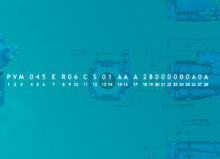
We start with the number you know. Maybe it is a Vickers PVB, PVH, or V series code, or a Danfoss (Sauer-Danfoss) 90 series motor or 51 series pump tag. Send us the full string on the data plate, including suffixes. Those suffixes often reveal critical details such as displacement, rotation, or control. If the tag is gone, do not worry. Photos, measurements, and a brief machine description can provide enough data to proceed.

pvm piston pump models guide

Next, our engineers decode the build. We maintain comprehensive maps that link legacy codes to their functional attributes. We check mounting group, flange style, shaft diameter and key, pilot dimensions, porting, control options, and relief settings. We also confirm fluid compatibility and expected operating pressures. With that profile in hand, we select the Panagon Systems replacement that mirrors your original configuration. In many cases the match is direct. In others, we recommend a small change that improves lead time without affecting performance. For example, a minor port orientation change can shorten delivery while keeping the same flow, pressure, and envelope.

Verification is the final step. Before a unit leaves our facility, it is tested on dedicated equipment to validate volumetric efficiency, case drain flow, control response, and pressure integrity across temperature ranges. We check noise signatures and leakage against strict internal standards. This ensures your Panagon replacement will install and run like the original component. If your application has unique duty cycles, we can simulate those conditions to confirm stable operation.

Throughout the process, communication stays clear and practical. You get a documented cross reference that states your original Vickers or Danfoss number, the matched Panagon part, and any relevant installation notes. If you manage a fleet, we can build a cross-reference catalog that consolidates your most common obsolete hydraulic pump parts so future orders are simple.

What to Expect From a Panagon Replacement

A cross reference only matters if the component performs. That is why Panagon Systems builds and remanufactures hydraulic pumps and motors to exacting standards. Here is what customers can expect when they convert an obsolete part number to a Panagon unit.

Performance you can measure. Each pump or motor is validated for flow, pressure, and efficiency. We inspect tolerances through the entire assembly, from the barrel and slipper set to the port plate and bearings. The goal is to meet or exceed the performance envelope of the original Vickers or Danfoss component while preserving the same footprint and interface.

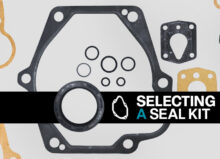
Quality materials. Wear surfaces rely on the right metallurgy and finish. We control these details to maintain long life under real-world loads. Seal kits are selected for your fluid and temperature range. If your environment requires a different elastomer, we will supply it and note the change in your cross-reference file for future orders.

Support for maintenance teams. Your technicians receive clear installation guidance. We include torque specs, startup tips, and break-in notes where needed. If your system has a history of cavitation, heat, or contamination, we will recommend filtration or plumbing improvements that protect the new component. Our objective is a clean install, a smooth start, and stable performance in the first critical hours.

Sensible lead times. Obsolescence often means long waits. Our cross-reference program is built to respond quickly. If your need is urgent, we look for options in our inventory and reman pool. If you plan a shutdown, we can schedule builds to meet your window. Either way, you get predictable delivery and a part that is ready to work.

Lower total cost. Downtime is expensive. By moving from a hard-to-find Vickers or Danfoss item to a proven Panagon replacement, you reduce search time, avoid premium prices for scarce stock, and gain support for future orders. Many customers standardize across similar machines using our cross-reference catalog, which simplifies spares and training.

Simple Steps to Get the Right Part Fast

You do not need a full teardown to start the process. Follow these steps and we will handle the rest.

Gather identifiers. Take a clear photo of the data plate on the pump or motor. If readable, send the entire string. If the plate is missing, note the machine make, model, and year, along with the subsystem that the unit serves. Add photos of the mounting face, the shaft, and the port locations.

Capture dimensions. Measure shaft diameter, keyway width, pilot diameter, bolt circle, and mounting flange type. Record port sizes and thread types. Measure overall length and note any accessories such as speed sensors or auxiliary mounts.

Describe the duty cycle. Share normal operating pressure, maximum pressure, speed range, fluid type, and ambient conditions. Mention any issues like noise, heat, or slow response. This helps us confirm the best match among our replacements for obsolete hydraulic pump parts and spot any system concerns.

Send your package. Email the information and images to our team or submit through our contact page. We will decode the details, select the Panagon replacement, and provide a quote with lead time. If options exist, we will explain the tradeoffs so you can decide based on availability, cost, or future standardization.

Plan the install. Once the unit arrives, inspect ports and caps, review any included notes, and confirm cleanliness in your hydraulic lines. Replace filters, flush if needed, and verify correct fluid. Align the pump or motor carefully, torque fasteners to spec, and follow a controlled startup. Monitor case drain and temperature during the first hour. If anything looks unusual, call us and we will help you troubleshoot.

When you finish the swap, send the original unit for evaluation if you want a remanufactured spare. We can rebuild many Vickers and Danfoss models, then tag them in your cross-reference file for quick reorders. This creates a sustainable spares strategy that lowers risk over the long term.

Panagon Systems is ready to help you convert obsolete part numbers into dependable solutions. Our cross-reference program blends technical rigor with practical service. Whether you are replacing a single Vickers pump on a critical machine or standardizing a group of Danfoss motors across a fleet, we will deliver a clear match, proven performance, and steady support.

If you have an obsolete part number in hand or a legacy unit on your bench, contact Panagon Systems. We will help you identify the right replacement, schedule delivery, and keep your equipment producing.
Related posts

Hydraulic Fluid Types: Choosing the Right Oil for Your System

If you run legacy equipment, you know how a single missing pump or motor can halt a job. The moment you discover that a Vickers or Danfoss number is discontinued, the search becomes a race against time. Schedules slip, budgets expand, and machines wait on a part that may never ship. At Panagon Systems, we help customers turn that moment around. Our team specializes in cross-referencing obsolete hydraulic pump parts to high quality Panagon replacements that match form, fit, and function. The goal is simple. Keep your equipment productive without changing your process or redesigning a system.

Obsolescence creates several risks. First is confusion in purchasing. A part might have multiple supersessions or regional variations that look similar but are not identical. Second is performance drift. A near match can create heat, noise, or reduced efficiency. Third is documentation gaps. Older machines may have worn data plates or missing manuals. We solve all three problems by combining technical archives, hands-on inspection, and a methodical verification process. When we provide a cross reference, you receive a clear path from your retired Vickers or Danfoss number to a Panagon replacement that you can order with confidence.

This is not guesswork. It is a disciplined approach supported by reverse engineering, test cells, and close communication with maintenance teams. If you need a fast answer, we can often identify a direct Panagon equivalent from a clean part number alone. When identification is less clear, we use dimensions, mounting pattern, port locations, rotation, displacement, control type, and shaft configuration to zero in on the correct build. The result is a reliable match that protects uptime and extends the life of your hydraulic assets.

How We Cross-Reference Vickers and Danfoss Numbers

We start with the number you know. Maybe it is a Vickers PVB, PVH, or V series code, or a Danfoss (Sauer-Danfoss) 90 series motor or 51 series pump tag. Send us the full string on the data plate, including suffixes. Those suffixes often reveal critical details such as displacement, rotation, or control. If the tag is gone, do not worry. Photos, measurements, and a brief machine description can provide enough data to proceed.

pvm piston pump models guide

Next, our engineers decode the build. We maintain comprehensive maps that link legacy codes to their functional attributes. We check mounting group, flange style, shaft diameter and key, pilot dimensions, porting, control options, and relief settings. We also confirm fluid compatibility and expected operating pressures. With that profile in hand, we select the Panagon Systems replacement that mirrors your original configuration. In many cases the match is direct. In others, we recommend a small change that improves lead time without affecting performance. For example, a minor port orientation change can shorten delivery while keeping the same flow, pressure, and envelope.

Verification is the final step. Before a unit leaves our facility, it is tested on dedicated equipment to validate volumetric efficiency, case drain flow, control response, and pressure integrity across temperature ranges. We check noise signatures and leakage against strict internal standards. This ensures your Panagon replacement will install and run like the original component. If your application has unique duty cycles, we can simulate those conditions to confirm stable operation.

Throughout the process, communication stays clear and practical. You get a documented cross reference that states your original Vickers or Danfoss number, the matched Panagon part, and any relevant installation notes. If you manage a fleet, we can build a cross-reference catalog that consolidates your most common obsolete hydraulic pump parts so future orders are simple.

What to Expect From a Panagon Replacement

A cross reference only matters if the component performs. That is why Panagon Systems builds and remanufactures hydraulic pumps and motors to exacting standards. Here is what customers can expect when they convert an obsolete part number to a Panagon unit.

Performance you can measure. Each pump or motor is validated for flow, pressure, and efficiency. We inspect tolerances through the entire assembly, from the barrel and slipper set to the port plate and bearings. The goal is to meet or exceed the performance envelope of the original Vickers or Danfoss component while preserving the same footprint and interface.

Quality materials. Wear surfaces rely on the right metallurgy and finish. We control these details to maintain long life under real-world loads. Seal kits are selected for your fluid and temperature range. If your environment requires a different elastomer, we will supply it and note the change in your cross-reference file for future orders.

Support for maintenance teams. Your technicians receive clear installation guidance. We include torque specs, startup tips, and break-in notes where needed. If your system has a history of cavitation, heat, or contamination, we will recommend filtration or plumbing improvements that protect the new component. Our objective is a clean install, a smooth start, and stable performance in the first critical hours.

Sensible lead times. Obsolescence often means long waits. Our cross-reference program is built to respond quickly. If your need is urgent, we look for options in our inventory and reman pool. If you plan a shutdown, we can schedule builds to meet your window. Either way, you get predictable delivery and a part that is ready to work.

Lower total cost. Downtime is expensive. By moving from a hard-to-find Vickers or Danfoss item to a proven Panagon replacement, you reduce search time, avoid premium prices for scarce stock, and gain support for future orders. Many customers standardize across similar machines using our cross-reference catalog, which simplifies spares and training.

Simple Steps to Get the Right Part Fast

You do not need a full teardown to start the process. Follow these steps and we will handle the rest.

Gather identifiers. Take a clear photo of the data plate on the pump or motor. If readable, send the entire string. If the plate is missing, note the machine make, model, and year, along with the subsystem that the unit serves. Add photos of the mounting face, the shaft, and the port locations.

Capture dimensions. Measure shaft diameter, keyway width, pilot diameter, bolt circle, and mounting flange type. Record port sizes and thread types. Measure overall length and note any accessories such as speed sensors or auxiliary mounts.

Describe the duty cycle. Share normal operating pressure, maximum pressure, speed range, fluid type, and ambient conditions. Mention any issues like noise, heat, or slow response. This helps us confirm the best match among our replacements for obsolete hydraulic pump parts and spot any system concerns.

Send your package. Email the information and images to our team or submit through our contact page. We will decode the details, select the Panagon replacement, and provide a quote with lead time. If options exist, we will explain the tradeoffs so you can decide based on availability, cost, or future standardization.

Plan the install. Once the unit arrives, inspect ports and caps, review any included notes, and confirm cleanliness in your hydraulic lines. Replace filters, flush if needed, and verify correct fluid. Align the pump or motor carefully, torque fasteners to spec, and follow a controlled startup. Monitor case drain and temperature during the first hour. If anything looks unusual, call us and we will help you troubleshoot.

When you finish the swap, send the original unit for evaluation if you want a remanufactured spare. We can rebuild many Vickers and Danfoss models, then tag them in your cross-reference file for quick reorders. This creates a sustainable spares strategy that lowers risk over the long term.

Panagon Systems is ready to help you convert obsolete part numbers into dependable solutions. Our cross-reference program blends technical rigor with practical service. Whether you are replacing a single Vickers pump on a critical machine or standardizing a group of Danfoss motors across a fleet, we will deliver a clear match, proven performance, and steady support.

If you have an obsolete part number in hand or a legacy unit on your bench, contact Panagon Systems. We will help you identify the right replacement, schedule delivery, and keep your equipment producing.
Hydraulic Reservoir Design: Why Tank Size and Layout Matter

If you run legacy equipment, you know how a single missing pump or motor can halt a job. The moment you discover that a Vickers or Danfoss number is discontinued, the search becomes a race against time. Schedules slip, budgets expand, and machines wait on a part that may never ship. At Panagon Systems, we help customers turn that moment around. Our team specializes in cross-referencing obsolete hydraulic pump parts to high quality Panagon replacements that match form, fit, and function. The goal is simple. Keep your equipment productive without changing your process or redesigning a system.

Obsolescence creates several risks. First is confusion in purchasing. A part might have multiple supersessions or regional variations that look similar but are not identical. Second is performance drift. A near match can create heat, noise, or reduced efficiency. Third is documentation gaps. Older machines may have worn data plates or missing manuals. We solve all three problems by combining technical archives, hands-on inspection, and a methodical verification process. When we provide a cross reference, you receive a clear path from your retired Vickers or Danfoss number to a Panagon replacement that you can order with confidence.

This is not guesswork. It is a disciplined approach supported by reverse engineering, test cells, and close communication with maintenance teams. If you need a fast answer, we can often identify a direct Panagon equivalent from a clean part number alone. When identification is less clear, we use dimensions, mounting pattern, port locations, rotation, displacement, control type, and shaft configuration to zero in on the correct build. The result is a reliable match that protects uptime and extends the life of your hydraulic assets.

How We Cross-Reference Vickers and Danfoss Numbers

We start with the number you know. Maybe it is a Vickers PVB, PVH, or V series code, or a Danfoss (Sauer-Danfoss) 90 series motor or 51 series pump tag. Send us the full string on the data plate, including suffixes. Those suffixes often reveal critical details such as displacement, rotation, or control. If the tag is gone, do not worry. Photos, measurements, and a brief machine description can provide enough data to proceed.

pvm piston pump models guide

Next, our engineers decode the build. We maintain comprehensive maps that link legacy codes to their functional attributes. We check mounting group, flange style, shaft diameter and key, pilot dimensions, porting, control options, and relief settings. We also confirm fluid compatibility and expected operating pressures. With that profile in hand, we select the Panagon Systems replacement that mirrors your original configuration. In many cases the match is direct. In others, we recommend a small change that improves lead time without affecting performance. For example, a minor port orientation change can shorten delivery while keeping the same flow, pressure, and envelope.

Verification is the final step. Before a unit leaves our facility, it is tested on dedicated equipment to validate volumetric efficiency, case drain flow, control response, and pressure integrity across temperature ranges. We check noise signatures and leakage against strict internal standards. This ensures your Panagon replacement will install and run like the original component. If your application has unique duty cycles, we can simulate those conditions to confirm stable operation.

Throughout the process, communication stays clear and practical. You get a documented cross reference that states your original Vickers or Danfoss number, the matched Panagon part, and any relevant installation notes. If you manage a fleet, we can build a cross-reference catalog that consolidates your most common obsolete hydraulic pump parts so future orders are simple.

What to Expect From a Panagon Replacement

A cross reference only matters if the component performs. That is why Panagon Systems builds and remanufactures hydraulic pumps and motors to exacting standards. Here is what customers can expect when they convert an obsolete part number to a Panagon unit.

Performance you can measure. Each pump or motor is validated for flow, pressure, and efficiency. We inspect tolerances through the entire assembly, from the barrel and slipper set to the port plate and bearings. The goal is to meet or exceed the performance envelope of the original Vickers or Danfoss component while preserving the same footprint and interface.

Quality materials. Wear surfaces rely on the right metallurgy and finish. We control these details to maintain long life under real-world loads. Seal kits are selected for your fluid and temperature range. If your environment requires a different elastomer, we will supply it and note the change in your cross-reference file for future orders.

Support for maintenance teams. Your technicians receive clear installation guidance. We include torque specs, startup tips, and break-in notes where needed. If your system has a history of cavitation, heat, or contamination, we will recommend filtration or plumbing improvements that protect the new component. Our objective is a clean install, a smooth start, and stable performance in the first critical hours.

Sensible lead times. Obsolescence often means long waits. Our cross-reference program is built to respond quickly. If your need is urgent, we look for options in our inventory and reman pool. If you plan a shutdown, we can schedule builds to meet your window. Either way, you get predictable delivery and a part that is ready to work.

Lower total cost. Downtime is expensive. By moving from a hard-to-find Vickers or Danfoss item to a proven Panagon replacement, you reduce search time, avoid premium prices for scarce stock, and gain support for future orders. Many customers standardize across similar machines using our cross-reference catalog, which simplifies spares and training.

Simple Steps to Get the Right Part Fast

You do not need a full teardown to start the process. Follow these steps and we will handle the rest.

Gather identifiers. Take a clear photo of the data plate on the pump or motor. If readable, send the entire string. If the plate is missing, note the machine make, model, and year, along with the subsystem that the unit serves. Add photos of the mounting face, the shaft, and the port locations.

Capture dimensions. Measure shaft diameter, keyway width, pilot diameter, bolt circle, and mounting flange type. Record port sizes and thread types. Measure overall length and note any accessories such as speed sensors or auxiliary mounts.

Describe the duty cycle. Share normal operating pressure, maximum pressure, speed range, fluid type, and ambient conditions. Mention any issues like noise, heat, or slow response. This helps us confirm the best match among our replacements for obsolete hydraulic pump parts and spot any system concerns.

Send your package. Email the information and images to our team or submit through our contact page. We will decode the details, select the Panagon replacement, and provide a quote with lead time. If options exist, we will explain the tradeoffs so you can decide based on availability, cost, or future standardization.

Plan the install. Once the unit arrives, inspect ports and caps, review any included notes, and confirm cleanliness in your hydraulic lines. Replace filters, flush if needed, and verify correct fluid. Align the pump or motor carefully, torque fasteners to spec, and follow a controlled startup. Monitor case drain and temperature during the first hour. If anything looks unusual, call us and we will help you troubleshoot.

When you finish the swap, send the original unit for evaluation if you want a remanufactured spare. We can rebuild many Vickers and Danfoss models, then tag them in your cross-reference file for quick reorders. This creates a sustainable spares strategy that lowers risk over the long term.

Panagon Systems is ready to help you convert obsolete part numbers into dependable solutions. Our cross-reference program blends technical rigor with practical service. Whether you are replacing a single Vickers pump on a critical machine or standardizing a group of Danfoss motors across a fleet, we will deliver a clear match, proven performance, and steady support.

If you have an obsolete part number in hand or a legacy unit on your bench, contact Panagon Systems. We will help you identify the right replacement, schedule delivery, and keep your equipment producing.
Leave a Comment

Leave a Reply

Your email address will not be published.



Top

Your Choice for OEM Quality Replacement Components

Our manufacturing facility houses many CNC machines capable of producing high-quality hydraulic components and replacement parts.

Contact
Parts Resources Contact