How to Perform a Case Drain Flow Test on a Hydraulic Pump
A hydraulic pump can lose efficiency long before it completely fails. One of the clearest ways to spot internal wear is to measure how much oil is returning through the case drain line. That is where a case drain flow test becomes so valuable. At Panagon Systems, we supply hydraulic pumps and parts for customers who need practical, dependable information to keep equipment running. If you want to assess pump condition without tearing the unit apart, learning how to perform a case drain flow test is an excellent place to start.
Why a Case Drain Flow Test Matters
A case drain flow test measures the amount of internal leakage returning from the pump housing to the tank. In a healthy hydraulic pump, some internal leakage is normal. That leakage helps lubricate moving parts and manage heat. When internal components begin to wear, however, leakage increases. The result is more oil flowing through the case drain line than the pump was designed to produce under normal conditions.
This is why a case drain flow test is such an important diagnostic tool. It gives technicians a straightforward way to evaluate pump condition while the unit is still installed on the machine. Instead of guessing based on noise, heat, or slow operation alone, you can gather real data and compare it to the pump’s expected performance.
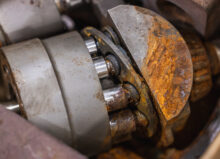
The test is especially useful for piston pumps, where internal wear can reduce efficiency without creating an immediate external failure. A machine may still operate, but it may run hotter, respond more slowly, or struggle to maintain pressure under load. Excessive case drain flow often points to wear inside the rotating group, valve plate area, or other critical sealing surfaces.
For maintenance teams, the value is simple. A case drain flow test can help confirm whether the pump itself is the problem, whether wear is progressing, and whether the unit should be repaired or replaced before a more serious failure occurs.
What You Need Before You Begin
Before performing a case drain flow test, gather the proper tools and make sure the machine can be operated safely. The exact setup depends on the equipment, but the essentials are consistent.
You will need a clean graduated container or flow meter that can safely handle hydraulic oil. Many technicians use a dedicated flow measurement container with clear volume markings. A stopwatch is also necessary so you can measure flow over a set period. If available, pressure gauges and a temperature reading can make the results more meaningful, since hydraulic oil viscosity changes with heat and operating conditions affect leakage rates.
Safety matters throughout the procedure. Hydraulic systems operate under high pressure, and hot oil can cause injury. Before disconnecting or rerouting any line, relieve system pressure according to the machine manufacturer’s procedures. Wear gloves, eye protection, and any additional protective equipment required at your site. Make sure the machine is stable, in a safe location, and controlled by trained personnel during the test.
Cleanliness is just as important as safety. Hydraulic contamination can create new problems while you are trying to diagnose an existing one. Use clean hoses, clean fittings, and a clean container. Cap or cover exposed connections whenever possible. If dirt enters the case drain line during the test, the results may be less reliable, and the system may be exposed to unnecessary risk.
It is also important to know the pump’s specifications. A case drain flow test only becomes useful when you compare the measured flow to an expected value. Different pumps allow different amounts of case drain flow. A reading that is normal for one model may indicate serious wear in another. If you do not have the exact performance data, record the test carefully and compare it to previous readings from the same machine whenever possible.
How to Perform a Case Drain Flow Test Step by Step
The process of performing a case drain flow test is straightforward, but accuracy depends on consistency. The goal is to measure leakage under known operating conditions and avoid introducing variables that distort the result.
Start by identifying the pump’s case drain line. This line usually returns low-pressure leakage oil from the pump housing back to the reservoir. Confirm that you have the correct line before disconnecting anything. On some systems, there may be more than one drain or return path, so take time to verify the circuit.
Next, bring the hydraulic system up to normal operating temperature. This step is critical. Cold oil is thicker and may produce misleading results. A proper case drain flow test should be performed when the oil is warm and the machine is running under normal conditions. Operate the machine long enough for the system to stabilize, then shut it down and prepare the test setup safely.
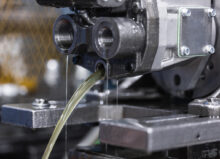
Disconnect the case drain line at the point where you can capture flow cleanly and safely. Route the line into your graduated container or through a suitable flow meter. Make sure the hose is secure and that the container is positioned to prevent spills. If you are using a container instead of a flow meter, choose a volume large enough to handle the expected flow without overflow.
Restart the machine and run the pump at the specified test condition. In many cases, this means operating at a known speed and under a defined pressure or load. Follow the equipment guidelines where available. If no formal test condition is available, use a repeatable operating state and document it carefully. Consistency is essential if you plan to compare results later.
Once the pump is running steadily, begin timing the test. Collect case drain flow for a specific period, such as fifteen or thirty seconds, depending on the expected volume. Then stop the timing and measure the amount of oil collected. Multiply as needed to convert that figure into flow per minute. For example, if you collect one quart in thirty seconds, the case drain flow rate is two quarts per minute.
During the test, watch for additional signs that may support your diagnosis. If the pump is unusually noisy, if the oil appears foamy, or if the machine has difficulty maintaining output, those symptoms may reinforce what the flow reading suggests. A case drain flow test is most powerful when combined with good observation and an understanding of the machine’s broader condition.
When the test is complete, reconnect the case drain line properly, inspect for leaks, and clean the area. Make sure the system is restored to its original configuration before returning the machine to service.
How to Interpret Results and Know What Comes Next
The most important part of a case drain flow test is understanding what the numbers mean. Low to moderate internal leakage is normal. Hydraulic pumps need some internal oil movement for lubrication and cooling. The concern begins when case drain flow rises beyond the pump’s acceptable range or increases significantly compared with previous readings.
If the measured flow is within specification, the pump may still be serviceable, even if the machine has other issues. In that case, the problem may lie elsewhere in the system, such as a valve, motor, relief setting, or inlet condition. A normal case drain flow test can help rule out severe internal pump wear and narrow the troubleshooting process.
If the measured flow is above specification, internal wear is likely increasing. Excessive case drain flow usually means the pump is losing efficiency because oil is bypassing internal sealing surfaces rather than contributing to useful output. This can lead to pressure loss, heat, reduced responsiveness, and declining overall system performance.
Trend data is especially helpful here. A single case drain flow test provides a snapshot, but repeated testing shows whether the pump is stable or deteriorating. If readings are climbing over time, the pump may be approaching the point where repair or replacement should be scheduled before a major failure occurs.
It is also important not to view the test in isolation. Very high case drain flow combined with metal debris, rising temperature, unusual noise, or pressure instability points to a stronger case for pump wear. When those signs appear together, it is usually wise to act sooner rather than later.
A case drain flow test is one of the most practical ways to evaluate hydraulic pump condition in the field. It is educational, useful, and often far less invasive than disassembly. At Panagon Systems, we help customers source hydraulic pumps and parts that match their equipment and operating requirements. If your case drain flow test suggests internal wear, or if you need help identifying the right replacement components, contact Panagon Systems. Our team can help you move from diagnosis to the right parts solution with confidence.