Hydraulic Contamination Control: Cleanliness Targets for Reliable Piston Pump Performance
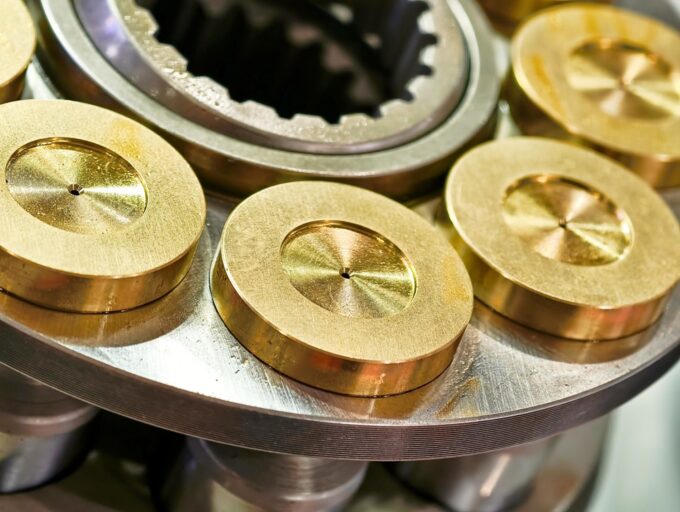
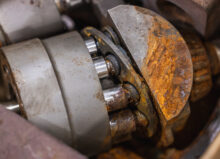
At Panagon Systems, we see the same pattern across fleets and fixed installations. Clean fluid makes piston pumps last longer, run quieter, and deliver repeatable control. Contaminants do the opposite. Particles cut bearing surfaces, scar swash plates, and wedge under valve plates. Water strips lubricity and promotes corrosion. Air reduces film strength and invites cavitation. The end result is heat, noise, drift, and unplanned downtime. Hydraulic contamination control is the fastest way to protect output and lower total cost.
Piston pumps rely on tight internal clearances. Clearances that live in the range of microns cannot tolerate a steady diet of silt or metal fines. When fluid is clean, the lubricating film remains intact as load changes and temperature swings. The pump maintains volumetric efficiency and holds pressure without hunting. That stable behavior protects downstream valves and actuators and it keeps operators confident in the machine. A clean system also preserves additive health, which means fluid lasts longer and resists varnish formation that would otherwise stick parts and raise operating temperatures.
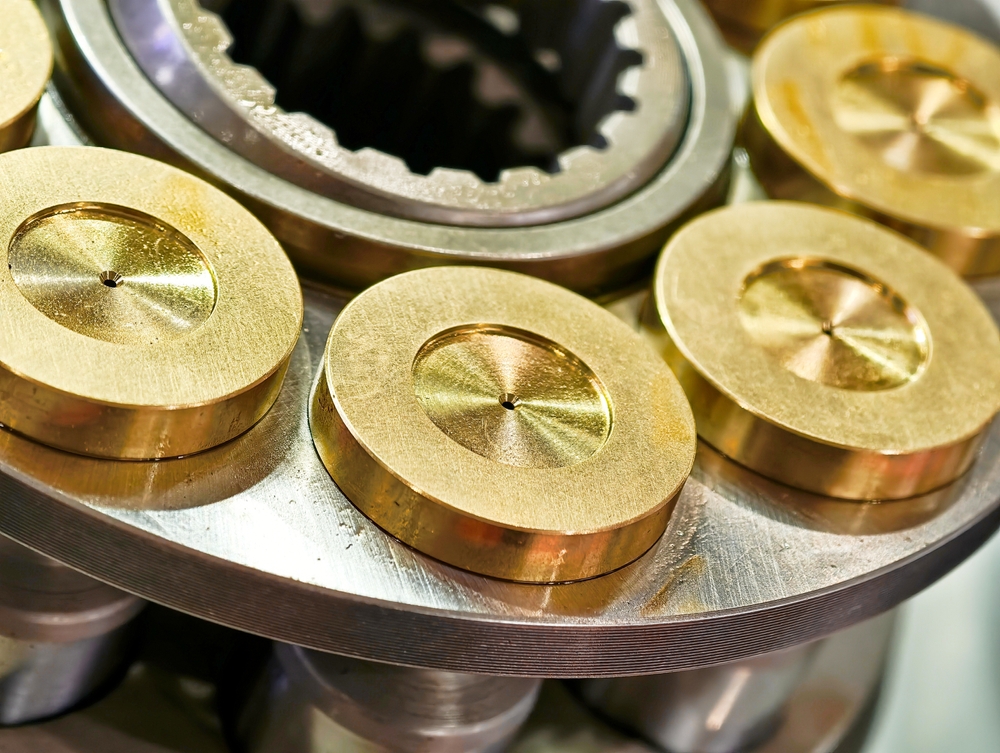
Because contamination is cumulative, waiting for symptoms is expensive. Every start cycle and every lift in pressure moves particles through wear zones. The goal is to set cleanliness targets, reach them quickly, and hold them with simple routines that fit your operation. We help customers do this without overcomplicating day to day maintenance.
Setting ISO 4406 Cleanliness Codes That Match Your Duty Cycle
The best starting point for hydraulic contamination control is a target expressed as an ISO 4406 code. The code reports particle counts per milliliter in three size bands. For most piston pump applications, the right targets fall in a narrow band that balances reliability with practical maintenance.
Light duty, low pressure systems that run intermittently often thrive at 20/18/15. Standard mobile and industrial systems with axial piston pumps typically benefit from 18/16/13 or better. High pressure closed loop drives, precision servo control, or systems with long duty cycles usually require 16/14/11 or cleaner. If your environment is dusty, wet, or subject to shock loads, aim for the tighter end of the range. When in doubt, start at 18/16/13 and tighten to 17/15/12 as you confirm stable operation and acceptable filter life.
Do not set targets in isolation. Confirm viscosity grade, expected pressure, average temperature, and pump speed. Factor in the sensitivity of downstream components like servo valves or proportional valves. If the circuit includes hydrostatic transmissions, case flushing rates and loop flushing filters will also affect the target. We help customers map these variables to a code that is achievable with their current hardware or with minor upgrades.
Targets only matter if they are measured. Plan sampling points at the reservoir, the pressure line after filtration, and the return line. For closed loop circuits, include the charge line. Use the same sampling method and port each time. Variability in technique can mask real trends. If your facility has seasonal temperature swings, sample in both hot and cold conditions. Keep results in a simple log that pairs the ISO code with differential pressure across filters and notes on recent maintenance. This makes it easy to spot early warnings.
Building a Practical Hydraulic Contamination Control Plan
A plan works when it is simple to follow. The fastest path to clean fluid uses four building blocks. Keep new fluid clean, keep ingress out, filter continuously, and remove water.
Start with new fluid. Do not assume it is clean. Drum oil often arrives at codes around 22/20/17 or worse. Filter all incoming fluid through a dedicated transfer cart with a β2000 element at the correct micron rating. Cap every hose and keep funnels off the floor. Store drums indoors if possible and use desiccant breathers on tote vents. These small habits stop a large share of contamination before it enters the tank.
Control ingress. Replace open breathers with desiccant breathers sized to the reservoir volume and expected airflow. Inspect and replace rod wipers on cylinders. Seal electrical pass throughs into the tank. Check quick disconnects for wear and dirt. Tighten suction side fittings since air leaks are common there. On mobile equipment, shield filler necks from splash and dust. Each of these steps keeps particles and moisture from entering during normal thermal cycling.
Filter continuously. Choose return and pressure elements with the correct efficiency rating. A β2000 element at 6 to 10 microns is a strong starting point for piston pump circuits. Verify that bypass valves in the housings match the pump’s needs and that differential pressure gauges or sensors are installed and readable. If your system idles often, consider an offline kidney loop that polishes fluid regardless of machine state. This is a low stress way to hold tight ISO codes without starving the pump at cold start.
Manage water. Free water and dissolved moisture both reduce film strength and promote corrosion. Desiccant breathers help, but active removal is often needed. Use vacuum dehydration or water absorbing cartridges that match the fluid type. Monitor water saturation with periodic Karl Fischer tests or a relative humidity sensor in the reservoir headspace. Keep targets clear. Below 200 ppm is a practical goal for most mineral oils in piston pump systems. If you run fire resistant fluids, set a target based on the specific chemistry and follow it consistently.
Round out the plan with cleanliness during service. Cap lines during component changes. Use clean work surfaces. Pre-fill filters on the pressure side when the design allows. Perform a short flush with the offline cart after major work. These practices keep debris from a repair from reentering the circuit.
Monitor, Adjust, and Partner With Panagon Systems
Once your plan is in place, monitoring turns it into lasting reliability. Track ISO 4406 results against filter life and operating hours. If codes drift, look for simple causes first. A saturated breather, a by passing filter, a cracked suction hose, or a missing cap on a service port can pull the whole system off target. Use differential pressure readings to time filter changes. Changing too late risks bypass and particle release. Changing too early raises cost with little benefit. The sweet spot is consistent and trackable.
Analyze trends with purpose. A slow rise in counts suggests gradual ingress or filter saturation. A sudden spike often follows a component failure, a hose replacement, or heavy dirt ingestion during a job. Respond with root cause fixes. Upgrade breathers, add a suction strainer where appropriate, or move to a finer β2000 rating on return filtration if pressure drop allows. Validate each change with new samples and note the results.
If you manage multiple machines, standardize. Use the same filter families, the same sampling kits, and the same reporting format across the fleet. This simplifies training and inventory. It also makes cross comparison easy, which helps you spot a problem machine early. For plants, schedule monthly reviews that pair cleanliness codes with pump case drain trends, oil temperature, and any control chatter reports from operators. The combination paints a clear picture of system health.
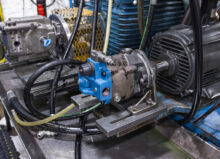
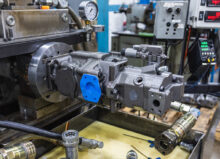
Panagon Systems supports customers through every step of hydraulic contamination control. We help set cleanliness targets that fit your duty cycle, choose filter ratings and housings, and select breathers and offline carts that match tank sizes. If your piston pump is already noisy or running hot, we can test and remanufacture the unit, then return it with start up guidance that includes a clear cleanliness plan. Our manufacturing and remanufacturing teams validate every pump on dedicated test stands before shipment, so you start with confidence.
When you are ready to raise reliability, contact Panagon Systems. We will help you define ISO 4406 targets, deploy efficient filtration, and build a sampling routine that keeps piston pumps in their best operating window. Clean fluid is a choice that delivers longer life, less downtime, and steadier performance in every shift.