Hydraulic Failure Analysis: How to Find the Real Cause of Pump Problems
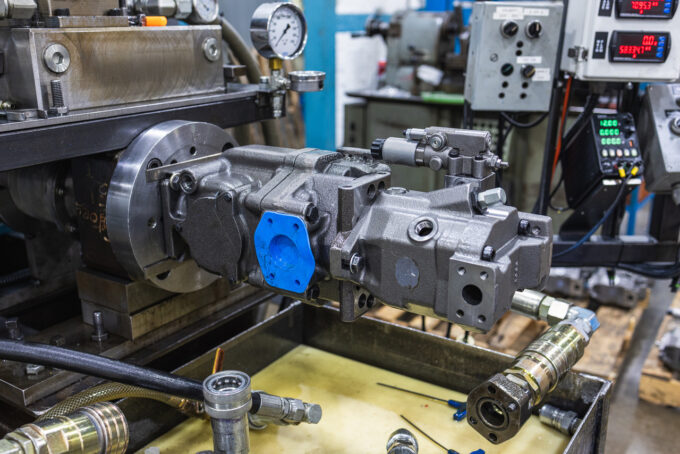
When a hydraulic pump, motor, valve, or seal fails, the damaged component is usually the easiest thing to see. It is also the easiest thing to blame. A pump may be noisy. A seal may be leaking. A valve may be sticking. A bearing may be worn. The problem is that the failed part is often only the final result of a deeper issue somewhere else in the system.
At Panagon Systems, we supply hydraulic pumps and parts for demanding applications, and we know that reliable hydraulic performance depends on more than replacing the broken item. True hydraulic failure analysis requires a broader view. It asks what caused the part to fail, how long the problem was developing, and what must be corrected before a replacement component goes back into service.
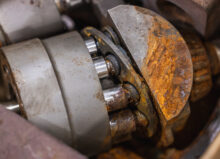
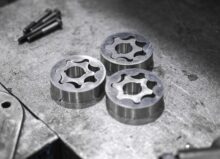
A failed pump may have been damaged by dirty oil. A worn shaft seal may have been caused by misalignment. A scored valve plate may point to inlet restriction, cavitation, or poor lubrication. A cracked fitting may reveal vibration or improper mounting. When you look beyond the component, you can find the conditions that shortened its life.
Start every investigation with three basic questions. What failed? What changed before it failed? What conditions could have caused the damage? Look at maintenance records, recent repairs, operating temperature, fluid changes, filter history, and operator complaints. A machine that ran hot for weeks before the pump failed is telling a different story than a machine that failed immediately after installation.
The goal is not to assign blame. The goal is to prevent repeat failure. A replacement part can restore function, but only hydraulic failure analysis can restore confidence.
Read the Oil Before Replacing Components
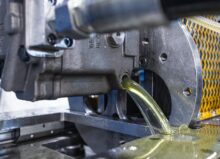
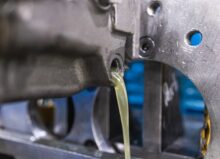
Hydraulic oil carries the evidence of system health. It lubricates moving parts, transfers power, removes heat, and transports contamination. If the oil is dirty, wet, oxidized, or the wrong viscosity, every component in the circuit is at risk.
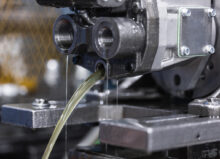
Begin with a visual check. Dark oil, burnt odor, foam, milky appearance, sludge, or visible particles all point to conditions that can damage pumps and valves. Milky oil often suggests water or air. Foam can indicate aeration, return-line turbulence, or suction-side leaks. Darkened oil may indicate heat stress, oxidation, or extended service beyond the fluid’s useful life.
Next, consider cleanliness. Contamination is one of the most common causes of hydraulic failure. Particles can score piston pumps, damage sealing surfaces, stick valves, and wear bearings. Even fine particles can be destructive because hydraulic components operate with tight clearances. A system may look clean from the outside while its oil is carrying the abrasive material that caused the failure.
Water is another serious concern. It reduces lubricity, promotes corrosion, and can contribute to additive breakdown. In cold environments, water can also create start-up problems and localized restriction. If a pump has failed and water contamination is present, replacing the pump without correcting the moisture source leaves the new unit exposed to the same risk.
Viscosity must also be reviewed. Oil that is too thick can starve the pump inlet, especially during cold starts. Oil that is too thin can increase internal leakage and reduce film strength. Both problems create heat and wear. Match the fluid to the operating temperature range, pump requirements, and real duty cycle of the machine.
Before installing replacement parts, inspect filters and breathers. A collapsed or clogged filter can create bypass conditions, allowing contamination to circulate. A saturated breather can pull moisture into the reservoir. If metal debris is found in the filter, the system may need flushing before new components are installed.
Oil condition is not a side issue. It is one of the first places hydraulic failure analysis should begin.
Check Installation, Alignment, Heat, and Operating Conditions
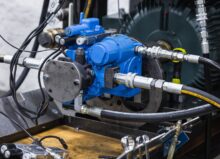
Many hydraulic failures begin during installation. A pump may be installed with poor shaft alignment, excessive coupling stress, incorrect rotation, improper case-drain routing, or uneven mounting. Each issue can create mechanical stress that leads to early failure.
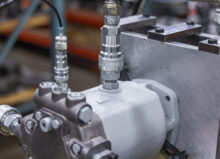
Hydraulic pump alignment is especially important. Misalignment creates side load on bearings and seals. Over time, that stress can cause vibration, shaft seal leakage, bearing wear, and internal damage. A pump that fails repeatedly at the shaft seal should prompt an alignment check, not just another seal replacement.
Mounting surfaces also matter. A pump should sit squarely against a clean, flat mounting face. Paint buildup, burrs, damaged brackets, or uneven bolt torque can distort the housing. A weak bracket may flex during operation, creating an alignment problem that does not appear when the machine is off.
Heat is another major clue. Hydraulic systems generate heat when energy is wasted through leakage, restriction, relief-valve losses, contamination, or control issues. A pump that runs hot may be suffering from internal leakage, but the cause may also be elsewhere in the circuit. A relief valve that opens during normal work can dump energy into the tank as heat. A misadjusted pressure compensator or load-sensing control can keep the pump at higher pressure than necessary. A clogged cooler or restricted return line can trap heat in the system.
Operating conditions should be reviewed honestly. Is the machine being used within its intended load range? Has the duty cycle changed? Are operators holding functions against relief? Is the machine working in dust, mud, extreme heat, or cold starts? Has the reservoir level been maintained? These details can explain why a component failed sooner than expected.
Hydraulic failure analysis should also include inlet conditions. A restricted suction line, clogged strainer, low oil level, or loose suction fitting can starve the pump. Inlet problems often lead to cavitation or aeration, which can damage internal pump surfaces and create noise, heat, and unstable performance.
A failed component tells you where damage ended. Installation and operating conditions often tell you where it began.
Review System Design and Decide What Must Change
Sometimes the failed component is not the wrong part. The system around it is wrong for the work being done. That is why system design belongs in every hydraulic failure analysis.
Start with component sizing. A pump that is too small may be forced to operate at its limits. A pump that is too large may create excess flow, heat, and control instability. Lines that are undersized can increase pressure drop. A reservoir that is too small may not allow enough time for heat removal or air release. A cooler that cannot keep up with the duty cycle will allow temperatures to rise until oil, seals, and internal parts suffer.
Control strategy is another design concern. Pressure-compensated, load-sensing, and fixed-displacement systems behave differently. If controls are mismatched to the application, the system may waste energy, run hot, or respond unpredictably. A machine that has been modified over time may no longer operate the way the original circuit intended.
Filtration and contamination control should also be evaluated. A high-quality pump will not survive in a system that cannot maintain clean oil. Filter placement, filter efficiency, breather quality, service practices, and reservoir cleanliness all affect component life. If a failure involves scoring, sticking valves, or metal debris, the filtration strategy may need to change.
The final step is corrective action. This may include replacing the failed component, but it may also require flushing the system, correcting alignment, improving filtration, changing fluid viscosity, adjusting controls, repairing suction leaks, upgrading cooling, or reviewing pump sizing. A careful repair plan addresses both the damaged part and the root cause.
Hydraulic failures are costly, but they are also informative. Each failure leaves evidence. The key is to read that evidence before returning the machine to service. When you investigate oil condition, installation, operating conditions, contamination, heat, alignment, and system design, you reduce the risk of repeat damage and improve long-term reliability.
If your equipment has experienced a pump failure, recurring seal issues, overheating problems, or unexplained performance loss, contact Panagon Systems. Our team can help you identify the right hydraulic pumps and parts for your application and support a more informed path from failure to reliable operation.