Hydraulic Hose Sizing Mistakes That Can Damage Your Pump

A hydraulic hose can fit the ports, withstand the rated pressure, and still be the wrong hose for the job. Incorrect hydraulic hose sizing can restrict pump inlet flow, increase pressure loss, raise oil temperature, create excessive backpressure, and contribute to cavitation or premature seal failure.
For pump protection, suction, pressure, return, and case-drain hoses must be evaluated separately. Each line operates under different flow and pressure conditions. Choosing a hose by appearance or connection size alone can expose an otherwise healthy hydraulic pump to damaging operating conditions.
Can the Wrong Hydraulic Hose Size Damage a Pump?
Yes. An incorrectly sized hydraulic hose can contribute directly to pump damage, particularly when the mistake restricts oil entering the pump or prevents oil from returning freely to the reservoir.
The suction line is especially important. A hydraulic pump depends on a steady supply of oil. If the suction hose has too little internal diameter, the pump may try to move more fluid than the line can deliver comfortably. Pressure at the inlet drops, and the pump can become starved.
When inlet conditions deteriorate far enough, cavitation can develop. Vapor cavities form in low-pressure areas and collapse as they enter higher-pressure regions inside the pump. The result may be a rattling or gravel-like sound along with erosion of internal surfaces. Understanding the difference between cavitation and aeration can help determine whether the pump is being starved of fluid or drawing air into the system.
Incorrect hose sizing can also turn useful hydraulic energy into heat. High fluid velocity and excessive restriction increase pressure loss. If a machine has begun running hotter after plumbing changes, hose sizing should be investigated along with the other common causes of hydraulic pump overheating.
Watch for symptoms such as:
- Pump whining, rattling, or unusual noise
- Slow or inconsistent actuator movement
- Oil temperature rising above normal
- Pressure instability under load
- Foam or aeration in the reservoir
- Premature shaft seal leakage
- Hoses that jump during valve shifts
- Poor cold-start performance
- Repeated pump failures without a clear internal cause
These symptoms do not automatically prove that the hose is undersized. They do tell you that the pump’s inlet, return paths, and operating conditions deserve inspection before another pump is installed.
Why Suction, Pressure, Return, and Case-Drain Hoses Need Different Sizing
One of the biggest hydraulic hose sizing mistakes is treating every hose in the circuit as though it performs the same job.
It does not.
Suction hoses require low restriction.
The suction line supplies oil from the reservoir to the pump. There is relatively little pressure available to push fluid through this portion of the circuit, so excessive resistance can quickly become a problem.
An undersized suction hose raises fluid velocity and pressure loss. Long runs, sharp bends, small adapters, cold oil, and clogged strainers increase the restriction further.
The hose must also resist collapse. Some hoses appear normal while the equipment is shut down but partially collapse when the pump creates suction during operation.
Pressure hoses must handle both flow and working pressure.
Pressure rating matters, but it is only one part of hose selection. A hose that can safely withstand the system pressure may still have too little internal diameter for the required flow.
Excessive restriction between the pump and the working components creates pressure loss and heat. The pump may have to operate at higher pressure to produce the required performance at the actuator.
Return lines must prevent unnecessary backpressure.
Return hoses are sometimes undersized because they are viewed as low-pressure plumbing. In reality, substantial volumes of oil may need to travel through them.
Cylinder geometry can also cause return flow to differ from pump flow during certain movements. If the line cannot accommodate that flow, backpressure and heat can increase.
Case-drain hoses require an unrestricted route to the reservoir.
Case drains are particularly important on piston pumps and motors. Internal leakage oil needs a reliable path out of the housing.
If the case-drain hose is too small, kinked, blocked, or improperly routed, housing pressure can increase. Excessive case pressure can contribute to shaft seal damage and interfere with proper drainage.
If internal pump wear is also suspected, a case drain flow test can help determine whether leakage has increased beyond normal operating levels.
How to Avoid Hydraulic Hose Sizing Mistakes
Start with flow rather than appearance.
Two hoses can have similar outside diameters yet very different inside diameters. Reinforcement layers and hose construction can change wall thickness considerably. Replacing an old hose with one that simply looks the same is not a reliable sizing method.
Determine the maximum expected flow through the line. Do not size only for the average operating condition. Consider rapid cylinder movement, high-speed motor operation, regeneration circuits, and other conditions that can create peak flow.
Then evaluate the complete flow path.
A properly sized hose can still behave like an undersized line if the circuit contains:
- Small adapters
- Restrictive quick couplers
- Multiple sharp elbows
- Undersized fittings
- Long hose runs
- Partially closed valves
- Clogged filters
- Restricted strainers
The narrowest passage may become the true limitation in the circuit.
Cold-weather operation deserves particular attention. Hydraulic oil becomes thicker as temperature falls. That increases pressure loss through hoses and fittings, particularly on the suction side. A system that operates quietly when warm may suffer inlet starvation during startup.
Hose length matters as well. Longer runs create greater friction losses. A diameter that performs adequately over a short distance may become restrictive when the same flow must travel through a substantially longer hose.
Before specifying a hose, document:
- Maximum expected GPM
- Hose inside diameter
- Approximate hose length
- Fluid viscosity
- Lowest expected startup temperature
- Normal operating temperature
- Working and peak pressure
- Fitting and adapter sizes
- Pump inlet requirements
- Expected case-drain flow
- Allowable return and case pressure
If the pump is already showing noise, heat, leakage, or deteriorating performance, review the signs of hydraulic pump failure before assuming that replacing the hose alone will correct existing internal damage.
Protect the Pump Before and After Replacement
Hose sizing becomes especially important when a replacement hydraulic pump is being installed. A new pump should not be expected to overcome an existing plumbing problem.
Start with the suction path. Check the reservoir outlet, shutoff valves, hose diameter, fittings, bends, strainers, and pump inlet. Make sure the hose has not softened internally or collapsed. Confirm that the hydraulic fluid is suitable for the machine’s expected operating temperature.
Next, inspect pressure and return lines for restrictions or improper repairs. Check whether any reducers or adapters have been added over time. Verify that the case drain returns freely to the reservoir according to the pump configuration.
Pump selection also needs to match the hydraulic plumbing. Displacement and RPM determine flow, so installing a larger pump can change hose requirements even if the ports appear compatible. Before changing pump size or configuration, review the factors involved in replacement hydraulic pump sizing.
If the previous pump failed, determine why before starting the replacement. Cavitation damage, overheating, recurring seal leaks, rising case drain, or metal debris can indicate a problem outside the pump. Installing another unit without correcting the underlying cause may produce another failure.
Useful information to gather includes:
- Pump manufacturer and full model number
- Pump displacement
- Operating RPM
- Expected GPM
- Normal and maximum pressure
- Hose diameters and approximate lengths
- Hydraulic fluid type
- Failure symptoms
- Filter condition
- Photos of the pump and hydraulic plumbing
If testing shows that the existing pump has already suffered internal damage, the next decision may involve hydraulic pump repair or rebuild rather than hose replacement alone.
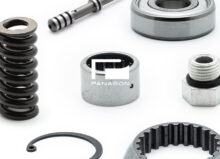
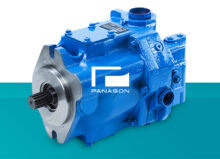
Panagon Systems manufactures and supplies hydraulic pumps, motors, and replacement components for industrial and mobile hydraulic applications. Available pump parts include bearings, shafts, cylinder blocks, valve plates, compensators, seals, rotating-group components, and related replacement items. Customers can also search Panagon’s hydraulic pump replacement parts catalog when identifying the components required for a repair or replacement.
Proper hydraulic hose sizing does more than prevent pressure loss. It protects the operating environment around the pump. A pump that receives an adequate supply of oil and has unrestricted return and case-drain paths is less likely to experience avoidable cavitation, heat, or seal stress.
If you are replacing a hydraulic pump after experiencing noise, overheating, pressure loss, seal leakage, or repeat failures, inspect the hose configuration before the new unit goes into service. Contact Panagon Systems when you need help identifying the correct replacement hydraulic pump or internal pump parts for your application.itation, overheating, seal leakage, pressure loss, or repeated pump damage, inspect the hose configuration before installing the new unit. Contact Panagon Systems when you need assistance identifying the correct replacement hydraulic pump or internal pump parts for your application.