Talk to an Expert: 586-786-3920

Hydraulic Motor vs Hydraulic Cylinder: Key Differences Explained
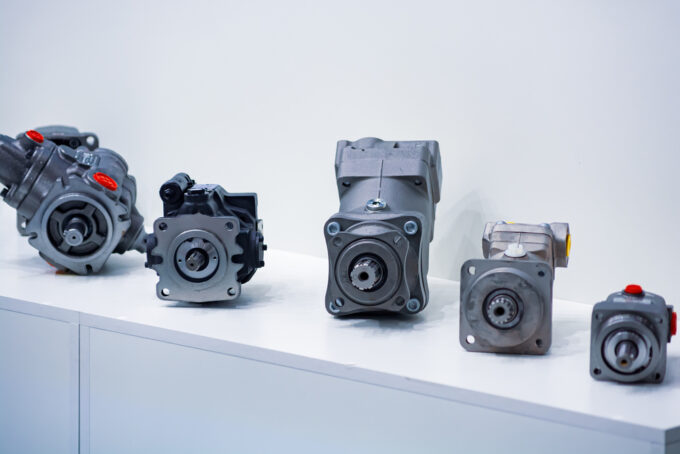
Hydraulic Motor vs Hydraulic Cylinder

When it comes to designing or maintaining a hydraulic system, one of the most common questions is: What’s the difference between a hydraulic motor and a hydraulic cylinder? Both are powered by pressurized hydraulic fluid, but they serve very different roles in powering equipment.

In this guide, we’ll break down the functions, advantages, and applications of each — and help you understand when to use one over the other.


What is a Hydraulic Motor?

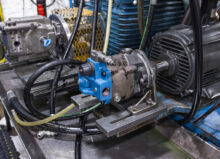
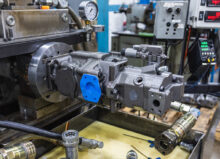
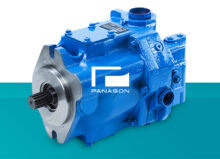
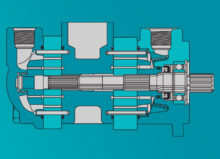
A hydraulic motor converts hydraulic energy (fluid under pressure) into rotary mechanical energy. Think of it as the hydraulic system’s version of an electric motor.

  • Primary function: Produces continuous rotary motion.
  • Common uses: Winches, conveyors, augers, wheel drives, mixers.
  • Advantages:
    • Delivers high torque at low speeds
    • Compact and powerful
    • Handles variable load conditions well

What is a Hydraulic Cylinder?

A hydraulic cylinder, sometimes called a linear actuator, converts hydraulic energy into linear mechanical force. Instead of rotation, it pushes and pulls in a straight line.

  • Primary function: Provides controlled linear movement.
  • Common uses: Excavator arms, lifting platforms, presses, dump truck beds.
  • Advantages:
    • Extremely high force output
    • Simple, durable design
    • Accurate, repeatable movement

Key Differences Between Hydraulic Motors and Cylinders

FeatureHydraulic MotorHydraulic Cylinder
Motion TypeRotaryLinear
Energy ConversionFluid → RotationFluid → Straight-line force
Best ForContinuous motion (wheels, drives, mixers)Lifting, pushing, clamping
Force OutputHigh torqueHigh linear force
ControlSpeed and directionStroke length and position

When to Use a Hydraulic Motor vs Cylinder

  • Choose a hydraulic motor when you need rotation: turning conveyor belts, driving wheels, or spinning augers.
  • Choose a hydraulic cylinder when you need linear movement: lifting a bucket, pressing materials, or moving heavy equipment in one direction.

In many machines — from excavators to manufacturing presses — both motors and cylinders work together, each doing what they do best.


Final Thoughts

Both hydraulic motors and hydraulic cylinders are essential to fluid power systems. The key difference is simple: motors rotate, cylinders push or pull.

By understanding their unique strengths, you can choose the right component for your system and improve performance, efficiency, and reliability.

👉 Looking for replacement parts for hydraulic motors or cylinders? Panagon Systems provides high-quality OEM and aftermarket solutions to keep your equipment running at its best.
Related posts

Hydraulic Fluid Types: Choosing the Right Oil for Your System

When it comes to designing or maintaining a hydraulic system, one of the most common questions is: What’s the difference between a hydraulic motor and a hydraulic cylinder? Both are powered by pressurized hydraulic fluid, but they serve very different roles in powering equipment.

In this guide, we’ll break down the functions, advantages, and applications of each — and help you understand when to use one over the other.


What is a Hydraulic Motor?

A hydraulic motor converts hydraulic energy (fluid under pressure) into rotary mechanical energy. Think of it as the hydraulic system’s version of an electric motor.

  • Primary function: Produces continuous rotary motion.
  • Common uses: Winches, conveyors, augers, wheel drives, mixers.
  • Advantages:
    • Delivers high torque at low speeds
    • Compact and powerful
    • Handles variable load conditions well

What is a Hydraulic Cylinder?

A hydraulic cylinder, sometimes called a linear actuator, converts hydraulic energy into linear mechanical force. Instead of rotation, it pushes and pulls in a straight line.

  • Primary function: Provides controlled linear movement.
  • Common uses: Excavator arms, lifting platforms, presses, dump truck beds.
  • Advantages:
    • Extremely high force output
    • Simple, durable design
    • Accurate, repeatable movement

Key Differences Between Hydraulic Motors and Cylinders

FeatureHydraulic MotorHydraulic Cylinder
Motion TypeRotaryLinear
Energy ConversionFluid → RotationFluid → Straight-line force
Best ForContinuous motion (wheels, drives, mixers)Lifting, pushing, clamping
Force OutputHigh torqueHigh linear force
ControlSpeed and directionStroke length and position

When to Use a Hydraulic Motor vs Cylinder

  • Choose a hydraulic motor when you need rotation: turning conveyor belts, driving wheels, or spinning augers.
  • Choose a hydraulic cylinder when you need linear movement: lifting a bucket, pressing materials, or moving heavy equipment in one direction.

In many machines — from excavators to manufacturing presses — both motors and cylinders work together, each doing what they do best.


Final Thoughts

Both hydraulic motors and hydraulic cylinders are essential to fluid power systems. The key difference is simple: motors rotate, cylinders push or pull.

By understanding their unique strengths, you can choose the right component for your system and improve performance, efficiency, and reliability.

👉 Looking for replacement parts for hydraulic motors or cylinders? Panagon Systems provides high-quality OEM and aftermarket solutions to keep your equipment running at its best.
Hydraulic Reservoir Design: Why Tank Size and Layout Matter

When it comes to designing or maintaining a hydraulic system, one of the most common questions is: What’s the difference between a hydraulic motor and a hydraulic cylinder? Both are powered by pressurized hydraulic fluid, but they serve very different roles in powering equipment.

In this guide, we’ll break down the functions, advantages, and applications of each — and help you understand when to use one over the other.


What is a Hydraulic Motor?

A hydraulic motor converts hydraulic energy (fluid under pressure) into rotary mechanical energy. Think of it as the hydraulic system’s version of an electric motor.

  • Primary function: Produces continuous rotary motion.
  • Common uses: Winches, conveyors, augers, wheel drives, mixers.
  • Advantages:
    • Delivers high torque at low speeds
    • Compact and powerful
    • Handles variable load conditions well

What is a Hydraulic Cylinder?

A hydraulic cylinder, sometimes called a linear actuator, converts hydraulic energy into linear mechanical force. Instead of rotation, it pushes and pulls in a straight line.

  • Primary function: Provides controlled linear movement.
  • Common uses: Excavator arms, lifting platforms, presses, dump truck beds.
  • Advantages:
    • Extremely high force output
    • Simple, durable design
    • Accurate, repeatable movement

Key Differences Between Hydraulic Motors and Cylinders

FeatureHydraulic MotorHydraulic Cylinder
Motion TypeRotaryLinear
Energy ConversionFluid → RotationFluid → Straight-line force
Best ForContinuous motion (wheels, drives, mixers)Lifting, pushing, clamping
Force OutputHigh torqueHigh linear force
ControlSpeed and directionStroke length and position

When to Use a Hydraulic Motor vs Cylinder

  • Choose a hydraulic motor when you need rotation: turning conveyor belts, driving wheels, or spinning augers.
  • Choose a hydraulic cylinder when you need linear movement: lifting a bucket, pressing materials, or moving heavy equipment in one direction.

In many machines — from excavators to manufacturing presses — both motors and cylinders work together, each doing what they do best.


Final Thoughts

Both hydraulic motors and hydraulic cylinders are essential to fluid power systems. The key difference is simple: motors rotate, cylinders push or pull.

By understanding their unique strengths, you can choose the right component for your system and improve performance, efficiency, and reliability.

👉 Looking for replacement parts for hydraulic motors or cylinders? Panagon Systems provides high-quality OEM and aftermarket solutions to keep your equipment running at its best.
Leave a Comment

Leave a Reply

Your email address will not be published.


Top

Your Choice for OEM Quality Replacement Components

Our manufacturing facility houses many CNC machines capable of producing high-quality hydraulic components and replacement parts.

Contact
Parts Resources Contact