Hydraulic Pump Alignment Basics: Mounting, Bearing Load, and Seal Protection
Proper installation is one of the most overlooked parts of hydraulic reliability. Many pump problems that appear to be caused by wear, contamination, or heat actually begin with a simple alignment issue. When a shaft is not aligned correctly, when a mounting surface is uneven, or when a coupling is asked to absorb too much stress, the effects show up quickly. Bearings wear early. Seals leak. Noise increases. Performance drops. At Panagon Systems, we know that hydraulic pump alignment plays a direct role in service life, operating stability, and maintenance cost. A pump can be built to high standards, but it still depends on careful installation to perform as intended.
Why Hydraulic Pump Alignment Matters From Day One
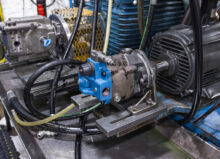
Hydraulic pump alignment is about more than lining up two shafts and tightening bolts. It is about making sure the pump, drive, coupling, and mounting structure all work together without creating unnecessary side load or vibration. When those elements are in balance, the pump turns smoothly, bearings operate within their intended load range, and seals remain protected from motion they were never designed to absorb.
Misalignment creates stress at the point where mechanical input becomes hydraulic output. Even a small angular or parallel offset between the pump shaft and the driver can create a repeating load with every rotation. That load may not cause immediate failure, but it steadily works against the bearings, shaft seal, and coupling. Over time, the pump may begin to run hotter, sound rougher, or show signs of leakage around the shaft. Operators may blame the pump itself, when the real problem began at installation.
Alignment also affects efficiency. A pump that is forced to operate under constant mechanical stress uses more energy to do the same work. That extra energy becomes friction and heat. In a hydraulic system, excess heat rarely stays isolated. It affects oil condition, seal life, and the stability of the entire circuit. This is why alignment should never be treated as a minor setup detail. It is a foundation for reliable performance.
At Panagon Systems, we encourage customers to think of alignment as preventive maintenance that starts before the first startup. A few careful checks during installation can prevent months of avoidable wear later on.
Resolving Mounting Issues Before They Become Pump Failures
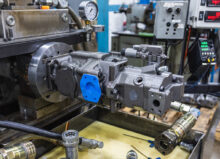
A pump can only align correctly if the mounting arrangement supports it. That is why mounting issues deserve just as much attention as shaft position. If the bracket is weak, if the base is uneven, or if the mounting face is distorted, the pump may be forced out of alignment even after it has been set correctly.
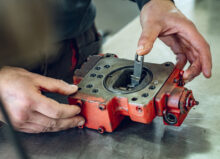
Start with the mounting surface. It should be clean, flat, and free of burrs, paint buildup, or damage that prevents full contact. Even a small imperfection can twist the pump housing as the bolts are tightened. That distortion may place stress on the shaft and internal rotating parts before the unit ever begins operating. Mounting bolts should be tightened evenly and to the correct torque so the housing is secured without being pulled unevenly against the frame or adapter.
Bracket strength also matters. A mounting structure that flexes under load can create alignment problems that only appear during operation. The pump may seem aligned when the machine is off, but vibration and torque can shift the relationship between the pump and the driver once the system is running. This is especially important in mobile equipment, where frame movement and vibration can change loading conditions throughout the workday.
Coupling selection is another key detail. Flexible couplings can help accommodate small movement, but they are not a substitute for proper alignment. A coupling should transmit torque, not compensate for major installation errors. If a coupling is constantly absorbing misalignment, it wears faster and passes damaging forces into the pump shaft and bearings.
A smart installation process includes checking bracket rigidity, confirming face flatness, inspecting coupling condition, and verifying that the pump sits squarely in place before final tightening. These basic steps help eliminate mounting-related stress before it turns into noise, leakage, or repeat service calls.
Bearing Load and the Hidden Cost of Mechanical Stress
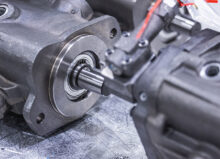
One of the most important reasons to focus on hydraulic pump alignment is bearing protection. Bearings are designed to support specific loads in specific directions. When a pump is aligned and mounted correctly, those loads remain within the intended range. When misalignment enters the system, bearing load increases in ways the pump was never meant to handle.
This added load may come from angular misalignment, offset shafts, poor coupling fit, belt tension, or an overhung load that places excessive force on the shaft. In each case, the result is similar. Bearings begin to wear faster, shaft motion becomes less stable, and internal clearances start to change. That can reduce efficiency, increase noise, and raise case temperature. In severe cases, it can also damage the rotating group and lead to broader pump failure.
Overhung load deserves particular attention. If a pulley, gear, or coupling places radial force on the shaft beyond the pump’s intended design, bearing life can drop sharply. This is why it is important to confirm that the drive arrangement matches the pump’s rated shaft loading. A pump may perform well in hydraulic terms and still fail early because the mechanical drive imposes the wrong kind of stress.
The warning signs are often subtle at first. You may hear a low rumble, notice rising vibration, or see premature seal wear. Over time, those symptoms become more obvious. The pump may begin leaking at the shaft, heating the oil, or shedding debris into the system. By the time the problem is unmistakable, the bearing damage is usually well advanced.
Preventing these failures starts with proper installation and realistic load planning. Verify shaft alignment, confirm coupling geometry, and make sure the drive method does not exceed the pump’s mechanical limits. Bearing life is not just a function of pump quality. It is also a function of how well the pump is supported in the real world.
Preventing Seal Damage and Building Long-Term Reliability
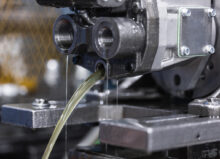
Seal failure is one of the most visible consequences of poor hydraulic pump alignment. When a shaft runs true, the seal lip maintains a stable contact pattern and fluid stays where it belongs. When the shaft wobbles, shifts under load, or runs off center because of alignment or mounting problems, the seal is forced to follow motion it cannot sustain. The result is leakage, contamination risk, and reduced pump life.
Improper alignment can damage a seal in several ways. It can create side load that wears the sealing surface unevenly. It can increase vibration that breaks down the seal lip over time. It can also raise local temperature near the shaft, which hardens the seal material and shortens its working life. Once leakage begins, dirt can enter and lubrication can suffer, which creates a second wave of wear inside the pump.
Preventing seal damage means taking a system view. Check shaft alignment carefully during installation. Confirm that couplings are fitted correctly and not forcing the shaft into a strained position. Inspect the mounting arrangement for distortion and movement. Make sure any radial or axial loads remain within the pump’s intended limits. During operation, monitor for early warning signs such as shaft leakage, abnormal vibration, coupling wear, and changes in sound.
A good maintenance team also rechecks alignment after major service, after coupling replacement, and after any event that may have shifted the pump or driver. Machines do not stay static forever. Vibration, frame movement, and normal service work can all affect alignment over time. Regular verification helps catch those shifts before they become failures.
Hydraulic pump alignment is one of the simplest ways to protect bearings, seals, and overall pump reliability. It reduces stress, lowers vibration, and helps the pump deliver the smooth, efficient operation it was designed to provide. If you are dealing with recurring seal leaks, mounting concerns, or questions about proper pump installation, contact Panagon Systems. Our team can help you identify the right hydraulic pump solution and support better long-term reliability through proper mechanical setup.