Hydraulic Pump Rotating Group Failure: Signs, Symptoms, and What to Do Next
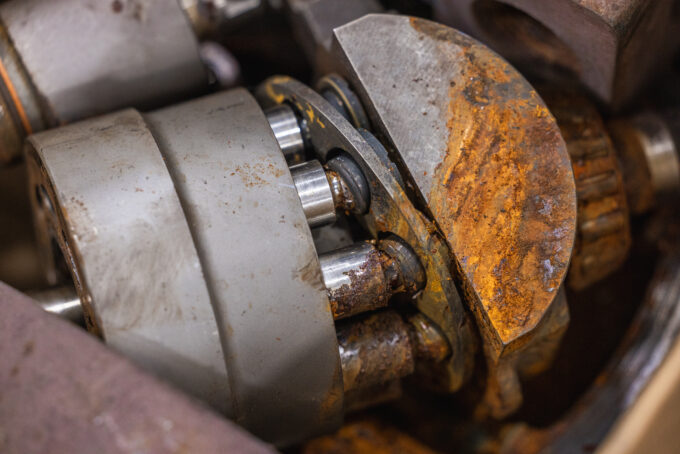
Hydraulic pumps do not lose performance at random. In most piston pumps, the rotating group does the hardest work, and it is often the first place where small wear becomes a real problem. The rotating group is the heart of how the pump makes flow. When its surfaces wear, clearances open up, heat rises, and control becomes unpredictable. At Panagon Systems, we manufacture hydraulic pumps and motors and support customers with high-quality replacement parts. When a system begins to drift, growl, or run hot, knowing what rotating group failure looks like can help you prevent a breakdown and protect downstream components.
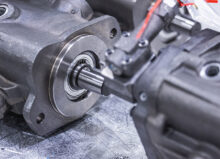
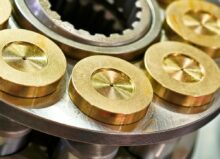
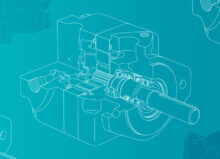
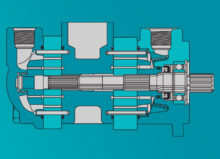
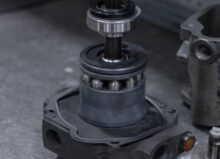
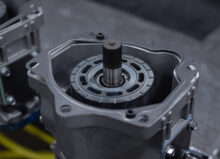
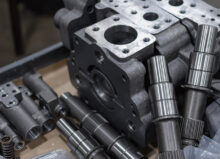
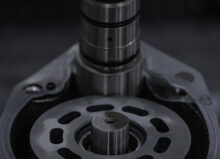
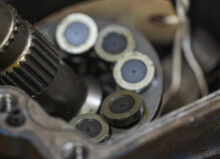
The rotating group includes the parts that convert shaft rotation into hydraulic output. Depending on pump design, this group can include the cylinder block, pistons, slippers, retainer, swash plate interface, and the valve plate that times inlet and outlet flow. These parts operate under high load and depend on a thin lubricating film. When contamination, inlet starvation, heat, or misalignment disrupts that film, damage can progress quickly. The following guide breaks down the most common warning signs and what they usually mean in the field.
What the Hydraulic Pump Rotating Group Does and Why It Wears
A piston pump works by moving multiple pistons in and out of a rotating cylinder block. As the block turns, each piston follows the angle of the swash plate. This motion draws fluid in and pushes fluid out. The valve plate directs fluid to the correct port at the correct time. In a healthy pump, these parts seal efficiently, and internal leakage stays low.
Wear begins when the lubricating film breaks down. The most common causes are dirty oil, water contamination, aeration, cavitation, and excessive temperature. Fine particles can score the valve plate and block surface, creating leak paths that grow with every hour. Water reduces lubricity and can contribute to corrosion that pits wear surfaces. Aeration introduces compressible air, which reduces film strength and raises heat. Cavitation collapses vapor bubbles on metal surfaces and can erode the port plate and block. Heat and oxidation can produce varnish that sticks moving parts and increases friction.
Because the hydraulic pump rotating group contains multiple matched surfaces, wear rarely stays isolated. A scored valve plate increases leakage and heat, which accelerates slipper and swash wear. A worn slipper face changes contact pressure and can mark the swash plate, which adds more debris to the system. The key is catching early symptoms, before the pump starts shedding metal and harming the rest of the circuit.
Early Symptoms: Noise, Response Changes, and Rising Heat
Rotating group wear often announces itself through subtle changes that operators notice first. A pump that used to sound steady may develop a harsher tone, especially under load. You may hear a growl, a gravel-like rasp, or a knocking sound during pressure transitions. These noises can reflect instability at the slipper and swash interface, valve plate timing irregularities, or internal leakage that causes pressure ripple. Noise alone is not a diagnosis, but a new sound is a strong reason to inspect and trend the pump.
Performance changes tend to follow. The machine may feel slower at the same engine speed. Pressure may build more slowly. Functions may fade as the system warms. These signs point to rising internal leakage, which is a classic effect of rotating group wear. Many customers describe the system as “weak” or “soft,” especially when the pump is hot. That is because leakage often increases with temperature as viscosity falls.
Heat is another common clue. When the rotating group leaks, energy is converted into heat inside the pump case. You may see a pump housing that runs noticeably hotter than nearby components. Reservoir temperatures may climb even though the workload has not increased. If the system requires more cooling fan time than usual, it may be compensating for leakage and friction inside the pump.
To confirm trends, track three simple indicators: case-drain flow, temperature differential, and noise behavior under a repeatable load. Rising case-drain flow is one of the most reliable signs that wear surfaces are opening up. A growing temperature gap between the pump housing and the reservoir often points to internal loss. Noise that increases as load rises suggests that wear is active and getting worse.
Clear Warning Signs: Pressure Instability, Case-Drain Rise, and Metal Debris
As rotating group damage advances, symptoms become harder to ignore. Pressure may hunt, surge, or oscillate during steady work. The pump may struggle to hold a consistent output, particularly in load-sensing or pressure-compensated circuits where stability is critical. A worn valve plate surface can create uneven timing, and a worn block can allow cross-port leakage that disturbs pressure control. Operators may report chattering actuators, inconsistent motion, or sudden changes in speed.
Case-drain flow is a key measurement. In many piston pumps, the case line is intended to carry leakage oil away from internal bearings and wear zones. When the rotating group wears, that leakage rises. If you see a steady increase over your baseline, treat it as an escalation trigger. Leakage that rises quickly after warm-up is especially concerning, since it often points to worn sealing surfaces within the rotating group.
Metal debris provides another decisive signal. If filters load quickly with shiny particles, or if you find metallic sheen in the oil, the pump may be shedding material. Rotating group damage often creates fine, bright wear debris that circulates and abrades valves and motors downstream. Cutting open a used filter element can reveal early warnings. If you find glitter-like particles or heavy magnetic debris, schedule an inspection immediately. Continuing to operate can turn a repairable situation into broader system damage.
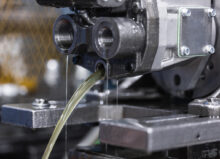
Visible symptoms can also appear. You may notice increased external leakage as seals are stressed by rising case pressure and temperature. You may see darkened oil and a burnt odor if the pump has been running hot. You may observe foaming in the reservoir if aeration is present, which can accelerate rotating group wear even faster.
At this stage, the correct response is to limit run time and diagnose root cause. Rotating group failure is often linked to inlet restriction, poor filtration, water contamination, or extended operation above recommended temperatures. Fixing the pump without correcting the cause invites repeat failure. A disciplined evaluation can prevent that cycle.
Field Checks and Next Steps to Protect Uptime
A practical inspection routine can help you decide when to intervene. Start with fluid condition and cleanliness. Check the reservoir for foam or milky appearance. Review filter differential pressure and service history. If the machine recently had a hose failure or cylinder work, increase sampling frequency, since debris events often seed rotating group wear.
Next, check inlet conditions. Confirm the fluid level. Inspect suction hoses for collapse, soft spots, or tight bends. Verify that suction strainers are not plugged or too fine for cold starts. Air can enter through suction fittings that do not leak oil outward, so inspect and reseal suspect joints. Poor inlet conditions can sound like rotating group damage, and they can also cause it.
Measure case-drain flow at a known speed and load. Compare it to your baseline if available. If you do not have a baseline, establish one on a healthy machine in similar service. Track housing temperature and compare it to reservoir temperature under steady work. An unusual temperature rise combined with increased case drain is a strong indication that wear is active inside the pump.
If symptoms point to rotating group wear, plan the next step before a failure forces your hand. For some operations, that means scheduling a pump change during planned downtime. For others, it means building a spare strategy so a replacement is ready when thresholds are reached. Either way, it is better to act early than to run until the pump sheds material and damages valves, motors, and actuators.
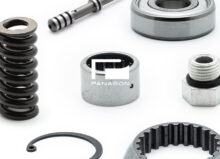
The rotating group is the core of pump performance, and when it begins to fail, the system will tell you through noise, heat, instability, and leakage. Paying attention to these signals protects productivity and reduces total cost. If you need help identifying the correct parts to restore performance, contact Panagon Systems for hydraulic pump replacement parts. Our team can help you match configurations, confirm fit, and keep your equipment running with reliable components.