Hydraulic System Flushing After a Component Failure: What Should You Clean?
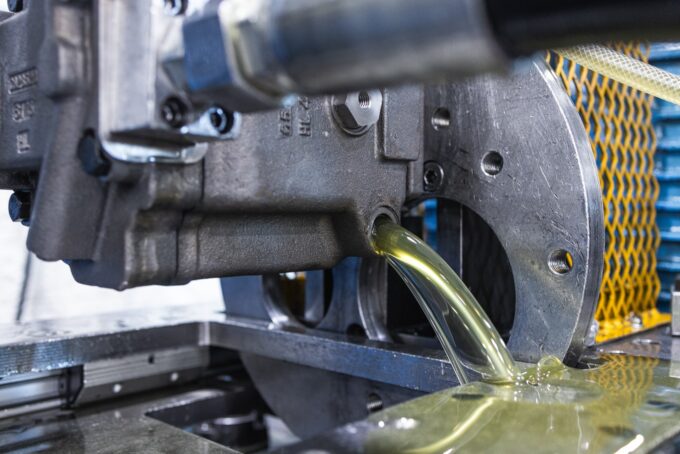
When a hydraulic pump, motor, valve, or other component fails internally, replacing the damaged part may only solve half the problem. Metal particles, seal fragments, degraded oil, and other contaminants can remain throughout the hydraulic circuit. If that debris reaches the replacement component, it can cause accelerated wear or even another failure. Hydraulic system flushing is the process of removing that contamination before normal operation resumes. The important question is not simply whether to flush, but how much of the system needs attention based on the type and severity of the original failure.
Do You Need to Flush the Hydraulic System After a Component Failure?
If the failed component released contamination into the hydraulic fluid, some level of system cleaning is usually necessary before installing or operating the replacement.
The required scope depends on what failed.
An external seal leak that did not introduce dirt or release internal debris may not require the same response as a pump with a destroyed bearing or rotating group. A severe internal failure can distribute particles through pressure lines, valves, manifolds, cylinders, motors, return lines, filters, and the reservoir.
Warning signs that call for closer inspection include:
- Visible metal in the hydraulic oil
- Shiny particles in used filter elements
- Broken pump or motor components
- Bearing failure
- Severe rotating-group damage
- Burnt or heavily discolored oil
- Rapidly plugging filters
- Pieces of seals or other elastomers in the fluid
- Sudden contamination following a hose or component failure
A useful first step is to determine what actually caused the failure. Panagon’s guide to hydraulic failure analysis explains why the damaged component should not automatically be treated as the root cause. Contamination, heat, poor installation, alignment problems, and operating conditions may all contribute to the failure.
Changing the reservoir oil alone may not remove the contamination. Oil drains easily from the tank, but particles can remain inside coolers, valve blocks, cylinders, hoses, and low-flow passages.
That is why hydraulic system flushing should be viewed as a contamination-removal process rather than simply an oil change.
The goal is straightforward: do not allow the replacement pump or motor to become the filter for contamination left behind by the failed component.
What Parts of the Hydraulic System Need to Be Cleaned?
Start by tracing where contaminated oil could have traveled.
If a pump failed on the pressure side, debris may have moved directly into the main valve assembly and downstream actuators. Material may later return through the reservoir and filtration system, allowing contamination to spread across a much larger portion of the circuit.
Inspect the reservoir first. Drain the oil and look for settled metal, sludge, varnish, seal fragments, or other deposits. Reservoir surfaces and inaccessible corners may hold contamination that fresh oil can loosen once the machine returns to service.
Filters are equally important. Remove and inspect the existing elements. Cutting open a used filter can reveal metallic particles or other debris that provides clues about the severity of the failure. Replace contaminated elements before returning the machine to service.
Other areas that may require attention include:
- Pressure and return hoses
- Hard lines
- Valve manifolds
- Directional and proportional valves
- Hydraulic cylinders
- Hydraulic motors
- Heat exchangers and coolers
- Filter housings
- Accumulator circuits
- Case-drain plumbing
Some components are more difficult to clean than others. Hydraulic coolers, for example, may contain narrow internal passages where debris becomes trapped. Complex manifolds can also contain low-flow passages or cavities that are difficult to flush completely.
When contamination is severe, evaluate whether cleaning a suspect component is reliable enough or whether replacement makes more sense.
Fluid cleanliness should also be considered before the failure occurs. Good hydraulic contamination control can reduce the amount of abrasive material circulating through piston pumps and help establish a cleanliness baseline that makes post-failure problems easier to recognize.
Do not overlook hoses after catastrophic component damage. Debris can become embedded in the inner surface of a deteriorated hose. A hose with internal delamination, cracking, or contamination may be more practical to replace than attempt to clean.
How Should Hydraulic System Flushing Be Planned?
Before beginning hydraulic system flushing, isolate the failed component and determine how contamination will be removed without exposing the replacement unit to unnecessary debris.
Whenever practical, use dedicated flushing or filtration equipment rather than relying on the new hydraulic pump to circulate contaminated oil. The replacement pump should enter a clean system, not perform the cleanup itself.
The exact flushing procedure depends on the equipment and hydraulic circuit, but a practical plan usually includes several stages.
Remove the source of contamination.
Take the failed component out of service. If it will be repaired or rebuilt, protect its ports so additional dirt does not enter during handling.
Clean the reservoir.
Drain contaminated oil and remove settled material. Clean internal reservoir surfaces using methods and fluids compatible with the hydraulic system.
Replace contaminated filters.
Install fresh filter elements as part of the cleanup process. If contamination is severe, filters may require additional changes during flushing because the initial elements can load quickly.
Flush affected lines and components.
Move clean, compatible fluid through contaminated sections of the system so particles are transported toward filtration or a controlled collection point. Pay special attention to sections where oil may become trapped.
Monitor what comes out.
Do not assume that one circulation cycle is enough. Watch filter condition and inspect the fluid for remaining contamination.
Verify cleanliness before normal operation.
The appropriate cleanliness target depends on the hydraulic components in the system. Piston pumps, servo valves, and tightly fitted control components generally demand better contamination control than less sensitive hydraulic equipment.
After a severe pump failure, you should also determine whether repairing or replacing the original unit makes sense. Panagon’s discussion of whether to repair or replace a hydraulic pump explains how contamination, internal leakage, noise, and reduced system performance factor into that decision.
Most importantly, find the cause before installing another pump. If cavitation, overheating, poor filtration, excessive pressure, improper fluid, or another system condition caused the first failure, flushing alone will not prevent a repeat event.
How Do You Prepare the System for the Replacement Pump?
Once flushing is complete, prepare for startup carefully. This is the point where good cleanup practices either protect the replacement pump or allow contamination and installation problems to start the failure cycle again.
Before installing the replacement, confirm:
- The reservoir is clean.
- The correct hydraulic fluid is being used.
- Fresh filters are installed.
- Suction lines are open and unrestricted.
- Case-drain plumbing is correctly routed.
- Contaminated or damaged hoses have been replaced.
- Coolers and manifolds have been cleaned or evaluated.
- Pump rotation is correct.
- Shaft alignment and mounting are correct.
- Relief and pump-control settings have been checked.
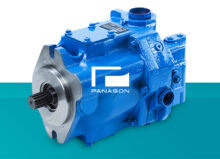
If you are installing a different or newly sourced pump, verify the specifications as well. Panagon’s replacement hydraulic pump sizing guide covers displacement, RPM, GPM, shaft configuration, mounting flange, rotation, pressure rating, and control style.
Prime or fill the replacement pump as required for its design before prolonged startup. Do not allow a piston pump to run dry while waiting for oil to reach the inlet.
Initial operation should be controlled. Begin without unnecessary load and listen for abnormal sound. Check for leaks and verify stable inlet conditions. Monitor oil temperature, system pressure, and case-drain behavior as the machine warms.
Inspect the filters again after initial operation, particularly following a severe failure. Residual particles can be released from hoses, valves, and actuators as normal flow resumes. Early filter inspection can reveal whether contamination remains in the circuit.
If the failed pump itself needs evaluation, Panagon Systems provides hydraulic pump repair and rebuild services for supported piston pump models. Pumps are disassembled and inspected in-house to identify damaged components and determine whether repair, rebuilding, or replacement is appropriate. Replacement components are also available through Panagon’s hydraulic pump replacement parts catalog.
Hydraulic system flushing after a component failure is ultimately about protecting the next component you install. Removing visible debris is not enough if contaminated oil remains trapped elsewhere in the circuit. Inspect the failure, trace the contamination path, clean the affected system, replace loaded filters, verify the original cause, and return the machine to service in a controlled manner.
If a pump failure has left metal or other contamination in your hydraulic system, contact Panagon Systems for help identifying the correct replacement pump or internal pump components. Addressing both the failed pump and the conditions surrounding the failure gives the replacement a much better operating environment from its first startup.