Talk to an Expert: 586-786-3920

Load Sensing vs Pressure Compensated: How to Choose the Right Hydraulic Pump Control
load sensing vs pressure compensated

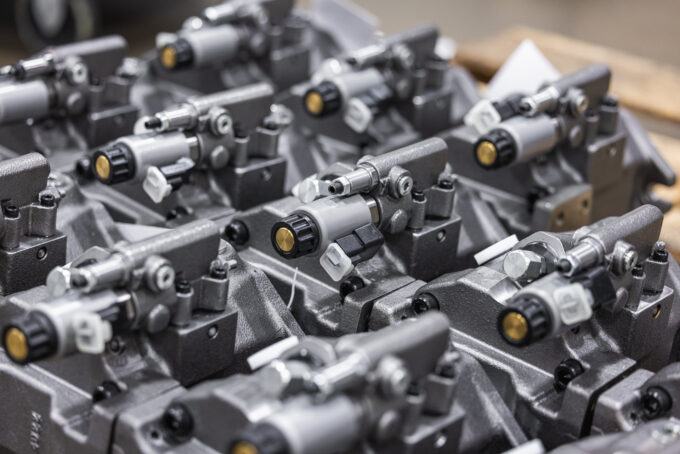
Choosing the right hydraulic pump control strategy can shape the performance, efficiency, and operating cost of an entire machine. For many equipment owners and maintenance teams, the question comes down to load sensing vs pressure compensated control. Both approaches are widely used. Both can support reliable hydraulic performance. But they are designed to solve different problems, and selecting the wrong one can lead to wasted energy, unnecessary heat, and disappointing machine response.

At Panagon Systems, we supply hydraulic pumps and parts for customers who need practical guidance as much as dependable hardware. When a machine is being upgraded, repaired, or specified for a new application, understanding the difference between these two strategies is essential. The better the match between the pump control and the job, the better the system will perform in the field.

Why Control Strategy Selection Matters

Hydraulic pumps do more than create flow. They also determine how the system responds to changing demands. A machine that lifts, steers, clamps, drives, or powers multiple functions at once depends on the pump to deliver fluid in a way that matches real working conditions. That is why the discussion around load sensing vs pressure compensated is so important.

A control strategy affects several major outcomes. It influences how much energy is consumed during idle periods and partial loads. It affects how much heat is generated when the machine is waiting for demand or operating below full capacity. It also shapes operator feel. Some machines need smooth, highly responsive motion across multiple functions. Others need a simpler pressure-based system that maintains performance without the complexity of added signal lines and control logic.

If a pump control strategy is poorly matched to the application, the results show up quickly. The machine may feel sluggish or overly aggressive. Fuel or power consumption may be higher than expected. Fluid temperatures may climb because excess flow is being turned into heat. Components may also see more stress as the system cycles through unnecessary pressure events. In contrast, the right strategy helps the machine run cooler, smoother, and more efficiently.

This is why control selection should begin with the actual job the machine performs. A simple circuit with a narrow range of motion needs is different from a machine with multiple simultaneous functions and variable loads throughout the workday. Understanding that distinction is the foundation of a good decision.

How Pressure Compensated Hydraulic Pumps Work

A pressure compensated hydraulic pump is designed to maintain a set pressure and reduce pump output once that pressure is reached. In simple terms, the pump increases or decreases displacement based on system pressure. When downstream demand is low and pressure reaches the compensator setting, the pump strokes back and limits flow. When pressure drops because a function is activated, the pump increases output again.

This strategy works well in systems where pressure is the main controlling factor. It is especially useful when the machine needs to maintain available pressure without requiring a sophisticated load feedback signal from the valve stack. Pressure compensated pumps are often valued for their relatively straightforward design and dependable operation in applications with predictable flow and pressure requirements.

One of the main advantages of pressure compensated control is simplicity. There is no separate load-sense line needed to tell the pump what the highest working load is. This can make the circuit easier to understand, easier to service, and in some cases more cost-effective to implement. For certain industrial systems, test stands, and dedicated-function machines, that simplicity is a real strength.

Still, there are limitations. A pressure compensated pump is responding to pressure, not to actual flow demand in the most refined sense. In systems where multiple functions operate at once or where loads vary constantly, the pump may produce more flow than the machine truly needs at a given moment. That excess energy can become heat. While the system still works, it may not be working as efficiently as it could.

This is one reason the load sensing vs pressure compensated decision often comes down to efficiency expectations. Pressure compensated systems can be excellent in the right environment, but they are generally not as energy-conscious as a properly designed load-sensing system when duty cycles vary widely.

How Load-Sensing Hydraulic Pumps Work

A load-sensing hydraulic pump adds another layer of intelligence to the control strategy. Rather than responding only to system pressure, it responds to the actual highest load demand in the circuit. It does this through a load-sense signal line, which communicates pressure information back to the pump control. The pump then maintains enough pressure above the highest current load to keep fluid moving efficiently through the system.

This means the pump is not simply waiting until a pressure limit is reached. Instead, it is actively adjusting output to match what the system needs at that moment. If the operator is making a light movement, the pump supplies only the flow and pressure margin required. If a heavier function is engaged, the pump increases output accordingly. When no function is being used, the pump drops to a low standby condition.

The main advantage is efficiency. Load-sensing systems reduce unnecessary flow and minimize the amount of energy lost as heat. This can make a major difference in mobile equipment, multi-function machinery, and applications where the machine spends a large portion of its day under changing load conditions. Better efficiency can reduce fuel consumption, lower operating temperatures, and improve overall system life.

Another advantage is control feel. Load-sensing systems tend to provide smoother function blending and more precise response when multiple operations happen at the same time. For machines that demand coordinated motion, that can be a major performance benefit.

The tradeoff is complexity. A load-sensing system requires proper signal routing, compatible valves, and careful setup. If the load-sense line is restricted, leaking, or poorly configured, system response can suffer. Troubleshooting can also be more involved than with a simpler pressure compensated circuit. That does not make load sensing a poor choice. It simply means the design and maintenance must match the sophistication of the system.

When customers ask about load sensing vs pressure compensated, this is often the turning point in the discussion. Load sensing offers clear advantages in variable-demand systems, but it works best when the rest of the hydraulic circuit is designed to support it.

Choosing the Right Strategy for Your Application

The best way to choose between these two options is to focus on the machine’s actual operating profile. If the application is straightforward, with relatively stable demand and limited need for simultaneous function control, a pressure compensated pump may be the right fit. It offers dependable performance, simpler plumbing, and a control strategy that is easy to understand and maintain.

If the machine runs through changing duty cycles, uses multiple functions at once, or needs better energy efficiency, load sensing often becomes the better solution. It allows the pump to respond more precisely to what the machine is actually doing, which can improve responsiveness while reducing waste.

A few questions can help guide the choice. Does the machine spend a lot of time at partial demand? Are multiple actuators used together? Is heat already a concern in the current system? Is operator feel and precise control a high priority? If the answer to several of these is yes, load sensing deserves serious consideration. If the machine is simpler and reliability through simplicity is the main priority, pressure compensated control may be more appropriate.

It is also important to consider the supporting components. The debate over load sensing vs pressure compensated is not just about the pump. Valve selection, line routing, cooling capacity, filtration, and maintenance practices all influence how well either strategy performs. A strong control concept still depends on clean fluid, correct installation, and components that match the intended circuit.

At Panagon Systems, we help customers sort through these choices by focusing on application needs first. As a supplier of hydraulic pumps and parts, we understand that the right answer is not always the more complex one. It is the one that delivers the best balance of efficiency, responsiveness, reliability, and serviceability for the work at hand.

If you are evaluating a new system, replacing a pump, or planning a control upgrade, contact Panagon Systems. We can help you choose the right components for your application and support a smarter decision between load sensing and pressure compensated hydraulic pumps.
Related posts

Hydraulic Fluid Types: Choosing the Right Oil for Your System

Choosing the right hydraulic pump control strategy can shape the performance, efficiency, and operating cost of an entire machine. For many equipment owners and maintenance teams, the question comes down to load sensing vs pressure compensated control. Both approaches are widely used. Both can support reliable hydraulic performance. But they are designed to solve different problems, and selecting the wrong one can lead to wasted energy, unnecessary heat, and disappointing machine response.

At Panagon Systems, we supply hydraulic pumps and parts for customers who need practical guidance as much as dependable hardware. When a machine is being upgraded, repaired, or specified for a new application, understanding the difference between these two strategies is essential. The better the match between the pump control and the job, the better the system will perform in the field.

Why Control Strategy Selection Matters

Hydraulic pumps do more than create flow. They also determine how the system responds to changing demands. A machine that lifts, steers, clamps, drives, or powers multiple functions at once depends on the pump to deliver fluid in a way that matches real working conditions. That is why the discussion around load sensing vs pressure compensated is so important.

A control strategy affects several major outcomes. It influences how much energy is consumed during idle periods and partial loads. It affects how much heat is generated when the machine is waiting for demand or operating below full capacity. It also shapes operator feel. Some machines need smooth, highly responsive motion across multiple functions. Others need a simpler pressure-based system that maintains performance without the complexity of added signal lines and control logic.

If a pump control strategy is poorly matched to the application, the results show up quickly. The machine may feel sluggish or overly aggressive. Fuel or power consumption may be higher than expected. Fluid temperatures may climb because excess flow is being turned into heat. Components may also see more stress as the system cycles through unnecessary pressure events. In contrast, the right strategy helps the machine run cooler, smoother, and more efficiently.

This is why control selection should begin with the actual job the machine performs. A simple circuit with a narrow range of motion needs is different from a machine with multiple simultaneous functions and variable loads throughout the workday. Understanding that distinction is the foundation of a good decision.

How Pressure Compensated Hydraulic Pumps Work

A pressure compensated hydraulic pump is designed to maintain a set pressure and reduce pump output once that pressure is reached. In simple terms, the pump increases or decreases displacement based on system pressure. When downstream demand is low and pressure reaches the compensator setting, the pump strokes back and limits flow. When pressure drops because a function is activated, the pump increases output again.

This strategy works well in systems where pressure is the main controlling factor. It is especially useful when the machine needs to maintain available pressure without requiring a sophisticated load feedback signal from the valve stack. Pressure compensated pumps are often valued for their relatively straightforward design and dependable operation in applications with predictable flow and pressure requirements.

One of the main advantages of pressure compensated control is simplicity. There is no separate load-sense line needed to tell the pump what the highest working load is. This can make the circuit easier to understand, easier to service, and in some cases more cost-effective to implement. For certain industrial systems, test stands, and dedicated-function machines, that simplicity is a real strength.

Still, there are limitations. A pressure compensated pump is responding to pressure, not to actual flow demand in the most refined sense. In systems where multiple functions operate at once or where loads vary constantly, the pump may produce more flow than the machine truly needs at a given moment. That excess energy can become heat. While the system still works, it may not be working as efficiently as it could.

This is one reason the load sensing vs pressure compensated decision often comes down to efficiency expectations. Pressure compensated systems can be excellent in the right environment, but they are generally not as energy-conscious as a properly designed load-sensing system when duty cycles vary widely.

How Load-Sensing Hydraulic Pumps Work

A load-sensing hydraulic pump adds another layer of intelligence to the control strategy. Rather than responding only to system pressure, it responds to the actual highest load demand in the circuit. It does this through a load-sense signal line, which communicates pressure information back to the pump control. The pump then maintains enough pressure above the highest current load to keep fluid moving efficiently through the system.

This means the pump is not simply waiting until a pressure limit is reached. Instead, it is actively adjusting output to match what the system needs at that moment. If the operator is making a light movement, the pump supplies only the flow and pressure margin required. If a heavier function is engaged, the pump increases output accordingly. When no function is being used, the pump drops to a low standby condition.

The main advantage is efficiency. Load-sensing systems reduce unnecessary flow and minimize the amount of energy lost as heat. This can make a major difference in mobile equipment, multi-function machinery, and applications where the machine spends a large portion of its day under changing load conditions. Better efficiency can reduce fuel consumption, lower operating temperatures, and improve overall system life.

Another advantage is control feel. Load-sensing systems tend to provide smoother function blending and more precise response when multiple operations happen at the same time. For machines that demand coordinated motion, that can be a major performance benefit.

The tradeoff is complexity. A load-sensing system requires proper signal routing, compatible valves, and careful setup. If the load-sense line is restricted, leaking, or poorly configured, system response can suffer. Troubleshooting can also be more involved than with a simpler pressure compensated circuit. That does not make load sensing a poor choice. It simply means the design and maintenance must match the sophistication of the system.

When customers ask about load sensing vs pressure compensated, this is often the turning point in the discussion. Load sensing offers clear advantages in variable-demand systems, but it works best when the rest of the hydraulic circuit is designed to support it.

Choosing the Right Strategy for Your Application

The best way to choose between these two options is to focus on the machine's actual operating profile. If the application is straightforward, with relatively stable demand and limited need for simultaneous function control, a pressure compensated pump may be the right fit. It offers dependable performance, simpler plumbing, and a control strategy that is easy to understand and maintain.

If the machine runs through changing duty cycles, uses multiple functions at once, or needs better energy efficiency, load sensing often becomes the better solution. It allows the pump to respond more precisely to what the machine is actually doing, which can improve responsiveness while reducing waste.

A few questions can help guide the choice. Does the machine spend a lot of time at partial demand? Are multiple actuators used together? Is heat already a concern in the current system? Is operator feel and precise control a high priority? If the answer to several of these is yes, load sensing deserves serious consideration. If the machine is simpler and reliability through simplicity is the main priority, pressure compensated control may be more appropriate.

It is also important to consider the supporting components. The debate over load sensing vs pressure compensated is not just about the pump. Valve selection, line routing, cooling capacity, filtration, and maintenance practices all influence how well either strategy performs. A strong control concept still depends on clean fluid, correct installation, and components that match the intended circuit.

At Panagon Systems, we help customers sort through these choices by focusing on application needs first. As a supplier of hydraulic pumps and parts, we understand that the right answer is not always the more complex one. It is the one that delivers the best balance of efficiency, responsiveness, reliability, and serviceability for the work at hand.

If you are evaluating a new system, replacing a pump, or planning a control upgrade, contact Panagon Systems. We can help you choose the right components for your application and support a smarter decision between load sensing and pressure compensated hydraulic pumps.
Hydraulic Reservoir Design: Why Tank Size and Layout Matter

Choosing the right hydraulic pump control strategy can shape the performance, efficiency, and operating cost of an entire machine. For many equipment owners and maintenance teams, the question comes down to load sensing vs pressure compensated control. Both approaches are widely used. Both can support reliable hydraulic performance. But they are designed to solve different problems, and selecting the wrong one can lead to wasted energy, unnecessary heat, and disappointing machine response.

At Panagon Systems, we supply hydraulic pumps and parts for customers who need practical guidance as much as dependable hardware. When a machine is being upgraded, repaired, or specified for a new application, understanding the difference between these two strategies is essential. The better the match between the pump control and the job, the better the system will perform in the field.

Why Control Strategy Selection Matters

Hydraulic pumps do more than create flow. They also determine how the system responds to changing demands. A machine that lifts, steers, clamps, drives, or powers multiple functions at once depends on the pump to deliver fluid in a way that matches real working conditions. That is why the discussion around load sensing vs pressure compensated is so important.

A control strategy affects several major outcomes. It influences how much energy is consumed during idle periods and partial loads. It affects how much heat is generated when the machine is waiting for demand or operating below full capacity. It also shapes operator feel. Some machines need smooth, highly responsive motion across multiple functions. Others need a simpler pressure-based system that maintains performance without the complexity of added signal lines and control logic.

If a pump control strategy is poorly matched to the application, the results show up quickly. The machine may feel sluggish or overly aggressive. Fuel or power consumption may be higher than expected. Fluid temperatures may climb because excess flow is being turned into heat. Components may also see more stress as the system cycles through unnecessary pressure events. In contrast, the right strategy helps the machine run cooler, smoother, and more efficiently.

This is why control selection should begin with the actual job the machine performs. A simple circuit with a narrow range of motion needs is different from a machine with multiple simultaneous functions and variable loads throughout the workday. Understanding that distinction is the foundation of a good decision.

How Pressure Compensated Hydraulic Pumps Work

A pressure compensated hydraulic pump is designed to maintain a set pressure and reduce pump output once that pressure is reached. In simple terms, the pump increases or decreases displacement based on system pressure. When downstream demand is low and pressure reaches the compensator setting, the pump strokes back and limits flow. When pressure drops because a function is activated, the pump increases output again.

This strategy works well in systems where pressure is the main controlling factor. It is especially useful when the machine needs to maintain available pressure without requiring a sophisticated load feedback signal from the valve stack. Pressure compensated pumps are often valued for their relatively straightforward design and dependable operation in applications with predictable flow and pressure requirements.

One of the main advantages of pressure compensated control is simplicity. There is no separate load-sense line needed to tell the pump what the highest working load is. This can make the circuit easier to understand, easier to service, and in some cases more cost-effective to implement. For certain industrial systems, test stands, and dedicated-function machines, that simplicity is a real strength.

Still, there are limitations. A pressure compensated pump is responding to pressure, not to actual flow demand in the most refined sense. In systems where multiple functions operate at once or where loads vary constantly, the pump may produce more flow than the machine truly needs at a given moment. That excess energy can become heat. While the system still works, it may not be working as efficiently as it could.

This is one reason the load sensing vs pressure compensated decision often comes down to efficiency expectations. Pressure compensated systems can be excellent in the right environment, but they are generally not as energy-conscious as a properly designed load-sensing system when duty cycles vary widely.

How Load-Sensing Hydraulic Pumps Work

A load-sensing hydraulic pump adds another layer of intelligence to the control strategy. Rather than responding only to system pressure, it responds to the actual highest load demand in the circuit. It does this through a load-sense signal line, which communicates pressure information back to the pump control. The pump then maintains enough pressure above the highest current load to keep fluid moving efficiently through the system.

This means the pump is not simply waiting until a pressure limit is reached. Instead, it is actively adjusting output to match what the system needs at that moment. If the operator is making a light movement, the pump supplies only the flow and pressure margin required. If a heavier function is engaged, the pump increases output accordingly. When no function is being used, the pump drops to a low standby condition.

The main advantage is efficiency. Load-sensing systems reduce unnecessary flow and minimize the amount of energy lost as heat. This can make a major difference in mobile equipment, multi-function machinery, and applications where the machine spends a large portion of its day under changing load conditions. Better efficiency can reduce fuel consumption, lower operating temperatures, and improve overall system life.

Another advantage is control feel. Load-sensing systems tend to provide smoother function blending and more precise response when multiple operations happen at the same time. For machines that demand coordinated motion, that can be a major performance benefit.

The tradeoff is complexity. A load-sensing system requires proper signal routing, compatible valves, and careful setup. If the load-sense line is restricted, leaking, or poorly configured, system response can suffer. Troubleshooting can also be more involved than with a simpler pressure compensated circuit. That does not make load sensing a poor choice. It simply means the design and maintenance must match the sophistication of the system.

When customers ask about load sensing vs pressure compensated, this is often the turning point in the discussion. Load sensing offers clear advantages in variable-demand systems, but it works best when the rest of the hydraulic circuit is designed to support it.

Choosing the Right Strategy for Your Application

The best way to choose between these two options is to focus on the machine's actual operating profile. If the application is straightforward, with relatively stable demand and limited need for simultaneous function control, a pressure compensated pump may be the right fit. It offers dependable performance, simpler plumbing, and a control strategy that is easy to understand and maintain.

If the machine runs through changing duty cycles, uses multiple functions at once, or needs better energy efficiency, load sensing often becomes the better solution. It allows the pump to respond more precisely to what the machine is actually doing, which can improve responsiveness while reducing waste.

A few questions can help guide the choice. Does the machine spend a lot of time at partial demand? Are multiple actuators used together? Is heat already a concern in the current system? Is operator feel and precise control a high priority? If the answer to several of these is yes, load sensing deserves serious consideration. If the machine is simpler and reliability through simplicity is the main priority, pressure compensated control may be more appropriate.

It is also important to consider the supporting components. The debate over load sensing vs pressure compensated is not just about the pump. Valve selection, line routing, cooling capacity, filtration, and maintenance practices all influence how well either strategy performs. A strong control concept still depends on clean fluid, correct installation, and components that match the intended circuit.

At Panagon Systems, we help customers sort through these choices by focusing on application needs first. As a supplier of hydraulic pumps and parts, we understand that the right answer is not always the more complex one. It is the one that delivers the best balance of efficiency, responsiveness, reliability, and serviceability for the work at hand.

If you are evaluating a new system, replacing a pump, or planning a control upgrade, contact Panagon Systems. We can help you choose the right components for your application and support a smarter decision between load sensing and pressure compensated hydraulic pumps.
Leave a Comment

Leave a Reply

Your email address will not be published.


Top

Your Choice for OEM Quality Replacement Components

Our manufacturing facility houses many CNC machines capable of producing high-quality hydraulic components and replacement parts.

Contact
Parts Resources Contact