Talk to an Expert: 586-786-3920

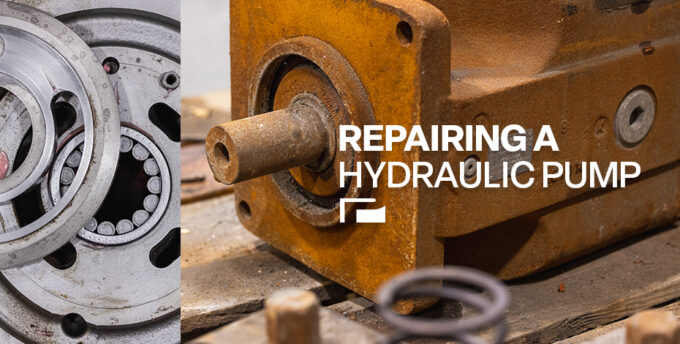
Repairing A Hydraulic Pump
Restoring Hydraulic Pumps to Peak Condition

From corrosion to performance — how Panagon Systems brings hydraulic pumps back to life.

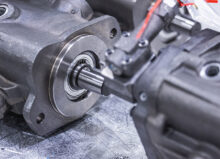
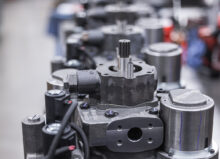
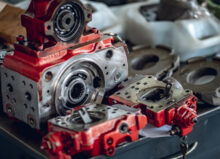
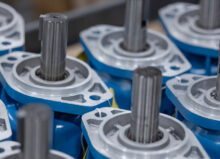
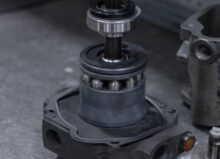
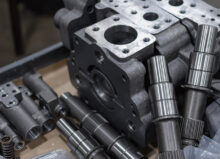
Disassembled components.

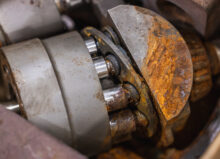
At Panagon Systems, not every pump that comes through our doors starts from scratch. Many arrive after years of service in harsh environments — corroded, rusted, and worn down from heavy industrial use. Whether it’s exposure to moisture, abrasive materials, or chemical wear, these pumps often look beyond saving. But with the right process and in-house capability, they’re not.

Complete Disassembly

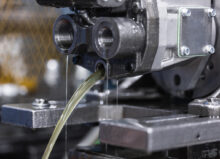
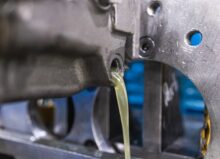
Our hydraulic pump repair process begins with complete disassembly. After the unit is drained of oil, our technicians begin methodically breaking it down. Every bolt is removed. Every internal component is pulled out for inspection. We take a systematic approach to identify what parts are still functional and what needs to be replaced.

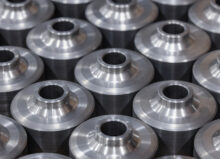
Tumbled parts to remove rust and debris.
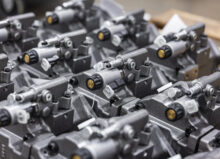
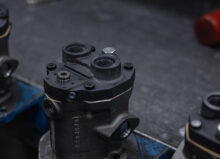
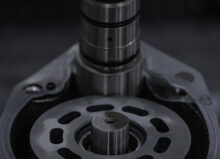
All parts are cleaned and inspected.

Complete Inspection of Components

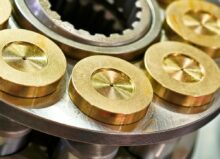
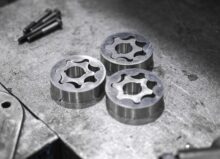
Next, components are inspected for wear, fatigue, and corrosion. Critical parts like rotating groups, pistons, and compensators are examined to OEM specs. Reusable parts are sent to our tumbler station, where they are polished to remove rust, scale, and surface debris — improving fitment and performance. Damaged or unsalvageable parts are replaced with brand-new, in-house machined replacements, ensuring full compatibility and long-term reliability.

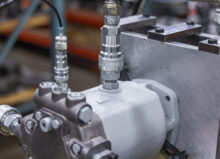
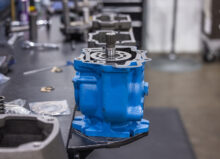
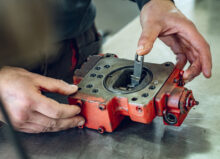
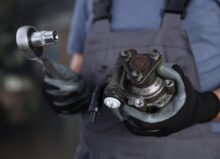
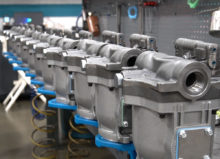
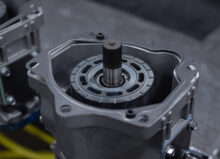
Rebuilding the pump on one of our workbenches.

We also inspect the castings for structural integrity. Mating surfaces and mounting flanges are milled flat, restoring clean contact points. Internal passages are cleaned and flushed to remove contamination. If the housing shows signs of excessive wear or scoring, it’s either reworked or replaced.

Tested, Painted and Shipped

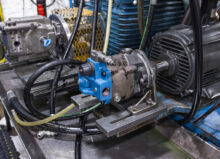
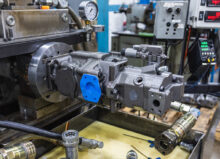
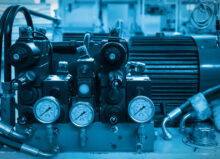
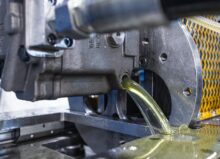
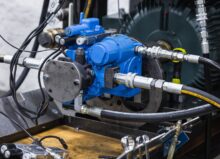
Once the entire pump is cleaned, repaired, and verified, our assembly team rebuilds the unit to OEM specifications. The final step is functional testing — every unit is run through our hydraulic test stand to validate pressure, flow, and temperature performance. After passing quality checks, the pump is cleaned, repainted, and prepped for shipment back to the customer.

Whether a unit is decades old or just battle-worn from years of service, we give it the attention it needs to get back to work. This is the difference when repairs are backed by full in-house manufacturing.
Tags: ,

Related posts

Hydraulic Fluid Types: Choosing the Right Oil for Your System

Restoring Hydraulic Pumps to Peak Condition

From corrosion to performance — how Panagon Systems brings hydraulic pumps back to life.

Disassembled components.

At Panagon Systems, not every pump that comes through our doors starts from scratch. Many arrive after years of service in harsh environments — corroded, rusted, and worn down from heavy industrial use. Whether it's exposure to moisture, abrasive materials, or chemical wear, these pumps often look beyond saving. But with the right process and in-house capability, they’re not.

Complete Disassembly

Our hydraulic pump repair process begins with complete disassembly. After the unit is drained of oil, our technicians begin methodically breaking it down. Every bolt is removed. Every internal component is pulled out for inspection. We take a systematic approach to identify what parts are still functional and what needs to be replaced.

Tumbled parts to remove rust and debris.
All parts are cleaned and inspected.

Complete Inspection of Components

Next, components are inspected for wear, fatigue, and corrosion. Critical parts like rotating groups, pistons, and compensators are examined to OEM specs. Reusable parts are sent to our tumbler station, where they are polished to remove rust, scale, and surface debris — improving fitment and performance. Damaged or unsalvageable parts are replaced with brand-new, in-house machined replacements, ensuring full compatibility and long-term reliability.

Rebuilding the pump on one of our workbenches.

We also inspect the castings for structural integrity. Mating surfaces and mounting flanges are milled flat, restoring clean contact points. Internal passages are cleaned and flushed to remove contamination. If the housing shows signs of excessive wear or scoring, it's either reworked or replaced.

Tested, Painted and Shipped

Once the entire pump is cleaned, repaired, and verified, our assembly team rebuilds the unit to OEM specifications. The final step is functional testing — every unit is run through our hydraulic test stand to validate pressure, flow, and temperature performance. After passing quality checks, the pump is cleaned, repainted, and prepped for shipment back to the customer.

Whether a unit is decades old or just battle-worn from years of service, we give it the attention it needs to get back to work. This is the difference when repairs are backed by full in-house manufacturing.
Hydraulic Reservoir Design: Why Tank Size and Layout Matter

Restoring Hydraulic Pumps to Peak Condition

From corrosion to performance — how Panagon Systems brings hydraulic pumps back to life.

Disassembled components.

At Panagon Systems, not every pump that comes through our doors starts from scratch. Many arrive after years of service in harsh environments — corroded, rusted, and worn down from heavy industrial use. Whether it's exposure to moisture, abrasive materials, or chemical wear, these pumps often look beyond saving. But with the right process and in-house capability, they’re not.

Complete Disassembly

Our hydraulic pump repair process begins with complete disassembly. After the unit is drained of oil, our technicians begin methodically breaking it down. Every bolt is removed. Every internal component is pulled out for inspection. We take a systematic approach to identify what parts are still functional and what needs to be replaced.

Tumbled parts to remove rust and debris.
All parts are cleaned and inspected.

Complete Inspection of Components

Next, components are inspected for wear, fatigue, and corrosion. Critical parts like rotating groups, pistons, and compensators are examined to OEM specs. Reusable parts are sent to our tumbler station, where they are polished to remove rust, scale, and surface debris — improving fitment and performance. Damaged or unsalvageable parts are replaced with brand-new, in-house machined replacements, ensuring full compatibility and long-term reliability.

Rebuilding the pump on one of our workbenches.

We also inspect the castings for structural integrity. Mating surfaces and mounting flanges are milled flat, restoring clean contact points. Internal passages are cleaned and flushed to remove contamination. If the housing shows signs of excessive wear or scoring, it's either reworked or replaced.

Tested, Painted and Shipped

Once the entire pump is cleaned, repaired, and verified, our assembly team rebuilds the unit to OEM specifications. The final step is functional testing — every unit is run through our hydraulic test stand to validate pressure, flow, and temperature performance. After passing quality checks, the pump is cleaned, repainted, and prepped for shipment back to the customer.

Whether a unit is decades old or just battle-worn from years of service, we give it the attention it needs to get back to work. This is the difference when repairs are backed by full in-house manufacturing.
Comments are currently closed.

Top

Your Choice for OEM Quality Replacement Components

Our manufacturing facility houses many CNC machines capable of producing high-quality hydraulic components and replacement parts.

Contact
Parts Resources Contact