Talk to an Expert: 586-786-3920

Replacement Hydraulic Pump Sizing: A Practical Pre-Purchase Checklist

replacement hydraulic pump sizing

Buying a replacement pump should never begin with guesswork. The best replacement hydraulic pump sizing starts with the work the machine must do, then works backward to the pump specifications that support that work. At Panagon Systems, we supply hydraulic pumps and parts for customers who need the right fit, the right output, and the right performance without costly trial and error.

A replacement pump must match more than a part number. It must deliver the correct flow, operate at the correct speed, mount securely, rotate in the correct direction, and support the control strategy already built into the system. A pump that is close, but not correct, can create heat, noise, weak performance, seal damage, or immediate installation problems.

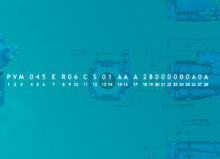
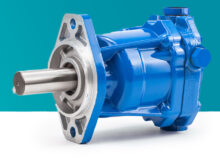
Before purchasing, gather the information you already have. Look for the pump tag, equipment model, hydraulic schematic, service manual, and any previous repair records. If the original pump is still installed, take clear photos of the shaft, mounting flange, ports, control housing, and data plate. Small details matter. A single suffix in a model code can identify rotation, control type, displacement, or pressure setting.

Also note the symptoms that led to replacement. Was the pump worn out, or did it fail suddenly? Did it run hot, lose pressure, make noise, or leak at the shaft? These clues help confirm whether the replacement should match the original exactly or whether another system issue must be addressed before a new pump goes into service.

Match Displacement, RPM, and GPM Before Anything Else

Flow is the first major sizing checkpoint. In hydraulic systems, pump flow affects actuator speed, cycle time, and overall machine response. Flow is usually expressed in gallons per minute, while pump displacement is commonly expressed in cubic inches per revolution or cubic centimeters per revolution. A simple relationship connects displacement, speed, and flow. Larger displacement or higher RPM increases GPM.

When checking replacement hydraulic pump sizing, confirm the original pump displacement first. If you install a pump with too little displacement, the machine may feel slow or weak. If you install one with too much displacement, the system may generate excess heat, overload the prime mover, or push more flow through valves and lines than they were designed to handle.

RPM is just as important. Every pump has an acceptable speed range. Running below that range can affect lubrication and response. Running above it can increase inlet demand, raise cavitation risk, and shorten pump life. Match the pump to the engine, electric motor, or drive speed that will power it in real service.

Use this pre-purchase checklist:

  • Confirm the original pump displacement.
  • Confirm the expected operating RPM.
  • Calculate or verify required GPM.
  • Compare expected flow to valve, hose, and actuator capacity.
  • Confirm that the prime mover can support the required horsepower.
  • Check whether the machine needs full flow continuously or only during certain functions.

Do not size a pump by maximum flow alone. A machine may only need peak flow for a short part of its cycle. It may also need stable low-speed control more than high-speed movement. The correct pump supports both performance and efficiency across the full duty cycle.

Verify Shaft Type, Mounting Flange, Rotation, and Porting

Once flow and speed are confirmed, the next step is physical fit. Many purchasing mistakes happen because the pump output is correct, but the pump cannot be installed without modification. Shaft type, mounting flange, rotation, and porting must all be checked before ordering.

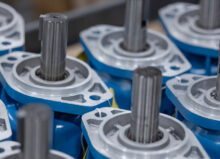
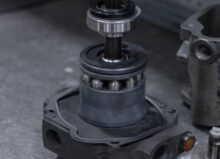
Start with the shaft. Identify whether it is keyed, splined, tapered, or another design. Measure shaft diameter, shaft length, keyway width, and spline count if applicable. A shaft that looks similar may still be wrong. Even small differences can cause coupling wear, vibration, poor engagement, or early bearing damage.

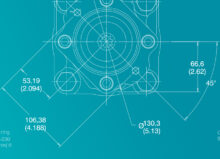
Next, confirm the mounting flange. Check the pilot diameter, bolt pattern, bolt size, and flange style. The pump must sit squarely against the mounting face. If the pilot does not match, alignment may suffer. Poor alignment can damage bearings and seals, even if the hydraulic specifications are correct.

Rotation is another critical detail. Pumps are commonly built for clockwise or counterclockwise rotation when viewed from a defined end of the unit. Installing a pump with the wrong rotation can prevent proper pumping, damage internal components, or create immediate startup failure. Always confirm rotation based on the pump manufacturer’s orientation, not simply by looking at the machine from one side.

Porting must also match the system. Confirm inlet and outlet port size, thread type, flange type, and port location. Check the case drain location on piston pumps, since incorrect drain routing can raise case pressure and damage seals. Note whether fittings can be reused or whether adapters are required. Adapters may solve a fit issue, but they can also create flow restrictions or clearance problems if not selected carefully.

Before purchase, verify:

  • Shaft type and dimensions.
  • Coupling compatibility.
  • Mounting flange and pilot fit.
  • Clockwise or counterclockwise rotation.
  • Inlet, outlet, and case drain port details.
  • Overall pump length and clearance.
  • Port orientation relative to hoses and frame members.

A replacement that fits correctly reduces installation time and protects the pump from mechanical stress.

Confirm Pressure Rating and Control Style Before You Buy

The final sizing step is performance control. Pressure rating and control style determine how the pump responds under load. A replacement pump must be rated for the system’s working pressure and maximum pressure conditions. If the rating is too low, the pump may fail early. If the pump is rated correctly but the controls are mismatched, the machine may not behave as intended.

Check continuous pressure, intermittent pressure, and peak pressure. Do not rely only on relief valve settings. Actual working pressure can vary based on load, temperature, operator habits, and control response. A pump used in a demanding application should have the strength and durability to handle real operating conditions, not just ideal conditions.

Control style is equally important. Common options include fixed displacement, pressure compensated, load sensing, remote pressure control, and electrohydraulic control. Each behaves differently. A pressure-compensated pump reduces output when a pressure setting is reached. A load-sensing pump responds to demand from the valve circuit. A fixed-displacement pump sends flow whenever it turns and relies on the circuit to manage unused flow.

If the original machine was designed around one control strategy, changing it may require valve, plumbing, or control adjustments. That can be appropriate in an engineered upgrade, but it should not happen by accident during a replacement purchase.

Use this final checklist:

  • Confirm continuous and peak pressure requirements.
  • Match the original control style unless an upgrade is planned.
  • Confirm compensator, load-sense, or control settings.
  • Verify case drain requirements.
  • Check fluid compatibility and expected operating temperature.
  • Confirm filtration and cleanliness needs before startup.

A good replacement pump should install cleanly, operate predictably, and support the machine’s original function. Replacement hydraulic pump sizing is not about finding a pump that is close. It is about confirming every detail that affects fit, flow, pressure, and control.

If you are preparing to buy a replacement hydraulic pump, contact Panagon Systems. Our team can help you review displacement, RPM, GPM, shaft type, mounting flange, rotation, pressure rating, and control style so you can select the right hydraulic pump and parts with confidence.
Related posts

Hydraulic Fluid Types: Choosing the Right Oil for Your System

Buying a replacement pump should never begin with guesswork. The best replacement hydraulic pump sizing starts with the work the machine must do, then works backward to the pump specifications that support that work. At Panagon Systems, we supply hydraulic pumps and parts for customers who need the right fit, the right output, and the right performance without costly trial and error.

A replacement pump must match more than a part number. It must deliver the correct flow, operate at the correct speed, mount securely, rotate in the correct direction, and support the control strategy already built into the system. A pump that is close, but not correct, can create heat, noise, weak performance, seal damage, or immediate installation problems.

Before purchasing, gather the information you already have. Look for the pump tag, equipment model, hydraulic schematic, service manual, and any previous repair records. If the original pump is still installed, take clear photos of the shaft, mounting flange, ports, control housing, and data plate. Small details matter. A single suffix in a model code can identify rotation, control type, displacement, or pressure setting.

Also note the symptoms that led to replacement. Was the pump worn out, or did it fail suddenly? Did it run hot, lose pressure, make noise, or leak at the shaft? These clues help confirm whether the replacement should match the original exactly or whether another system issue must be addressed before a new pump goes into service.

Match Displacement, RPM, and GPM Before Anything Else

Flow is the first major sizing checkpoint. In hydraulic systems, pump flow affects actuator speed, cycle time, and overall machine response. Flow is usually expressed in gallons per minute, while pump displacement is commonly expressed in cubic inches per revolution or cubic centimeters per revolution. A simple relationship connects displacement, speed, and flow. Larger displacement or higher RPM increases GPM.

When checking replacement hydraulic pump sizing, confirm the original pump displacement first. If you install a pump with too little displacement, the machine may feel slow or weak. If you install one with too much displacement, the system may generate excess heat, overload the prime mover, or push more flow through valves and lines than they were designed to handle.

RPM is just as important. Every pump has an acceptable speed range. Running below that range can affect lubrication and response. Running above it can increase inlet demand, raise cavitation risk, and shorten pump life. Match the pump to the engine, electric motor, or drive speed that will power it in real service.

Use this pre-purchase checklist:

  • Confirm the original pump displacement.
  • Confirm the expected operating RPM.
  • Calculate or verify required GPM.
  • Compare expected flow to valve, hose, and actuator capacity.
  • Confirm that the prime mover can support the required horsepower.
  • Check whether the machine needs full flow continuously or only during certain functions.

Do not size a pump by maximum flow alone. A machine may only need peak flow for a short part of its cycle. It may also need stable low-speed control more than high-speed movement. The correct pump supports both performance and efficiency across the full duty cycle.

Verify Shaft Type, Mounting Flange, Rotation, and Porting

Once flow and speed are confirmed, the next step is physical fit. Many purchasing mistakes happen because the pump output is correct, but the pump cannot be installed without modification. Shaft type, mounting flange, rotation, and porting must all be checked before ordering.

Start with the shaft. Identify whether it is keyed, splined, tapered, or another design. Measure shaft diameter, shaft length, keyway width, and spline count if applicable. A shaft that looks similar may still be wrong. Even small differences can cause coupling wear, vibration, poor engagement, or early bearing damage.

Next, confirm the mounting flange. Check the pilot diameter, bolt pattern, bolt size, and flange style. The pump must sit squarely against the mounting face. If the pilot does not match, alignment may suffer. Poor alignment can damage bearings and seals, even if the hydraulic specifications are correct.

Rotation is another critical detail. Pumps are commonly built for clockwise or counterclockwise rotation when viewed from a defined end of the unit. Installing a pump with the wrong rotation can prevent proper pumping, damage internal components, or create immediate startup failure. Always confirm rotation based on the pump manufacturer’s orientation, not simply by looking at the machine from one side.

Porting must also match the system. Confirm inlet and outlet port size, thread type, flange type, and port location. Check the case drain location on piston pumps, since incorrect drain routing can raise case pressure and damage seals. Note whether fittings can be reused or whether adapters are required. Adapters may solve a fit issue, but they can also create flow restrictions or clearance problems if not selected carefully.

Before purchase, verify:

  • Shaft type and dimensions.
  • Coupling compatibility.
  • Mounting flange and pilot fit.
  • Clockwise or counterclockwise rotation.
  • Inlet, outlet, and case drain port details.
  • Overall pump length and clearance.
  • Port orientation relative to hoses and frame members.

A replacement that fits correctly reduces installation time and protects the pump from mechanical stress.

Confirm Pressure Rating and Control Style Before You Buy

The final sizing step is performance control. Pressure rating and control style determine how the pump responds under load. A replacement pump must be rated for the system’s working pressure and maximum pressure conditions. If the rating is too low, the pump may fail early. If the pump is rated correctly but the controls are mismatched, the machine may not behave as intended.

Check continuous pressure, intermittent pressure, and peak pressure. Do not rely only on relief valve settings. Actual working pressure can vary based on load, temperature, operator habits, and control response. A pump used in a demanding application should have the strength and durability to handle real operating conditions, not just ideal conditions.

Control style is equally important. Common options include fixed displacement, pressure compensated, load sensing, remote pressure control, and electrohydraulic control. Each behaves differently. A pressure-compensated pump reduces output when a pressure setting is reached. A load-sensing pump responds to demand from the valve circuit. A fixed-displacement pump sends flow whenever it turns and relies on the circuit to manage unused flow.

If the original machine was designed around one control strategy, changing it may require valve, plumbing, or control adjustments. That can be appropriate in an engineered upgrade, but it should not happen by accident during a replacement purchase.

Use this final checklist:

  • Confirm continuous and peak pressure requirements.
  • Match the original control style unless an upgrade is planned.
  • Confirm compensator, load-sense, or control settings.
  • Verify case drain requirements.
  • Check fluid compatibility and expected operating temperature.
  • Confirm filtration and cleanliness needs before startup.

A good replacement pump should install cleanly, operate predictably, and support the machine’s original function. Replacement hydraulic pump sizing is not about finding a pump that is close. It is about confirming every detail that affects fit, flow, pressure, and control.

If you are preparing to buy a replacement hydraulic pump, contact Panagon Systems. Our team can help you review displacement, RPM, GPM, shaft type, mounting flange, rotation, pressure rating, and control style so you can select the right hydraulic pump and parts with confidence.
Hydraulic Reservoir Design: Why Tank Size and Layout Matter

Buying a replacement pump should never begin with guesswork. The best replacement hydraulic pump sizing starts with the work the machine must do, then works backward to the pump specifications that support that work. At Panagon Systems, we supply hydraulic pumps and parts for customers who need the right fit, the right output, and the right performance without costly trial and error.

A replacement pump must match more than a part number. It must deliver the correct flow, operate at the correct speed, mount securely, rotate in the correct direction, and support the control strategy already built into the system. A pump that is close, but not correct, can create heat, noise, weak performance, seal damage, or immediate installation problems.

Before purchasing, gather the information you already have. Look for the pump tag, equipment model, hydraulic schematic, service manual, and any previous repair records. If the original pump is still installed, take clear photos of the shaft, mounting flange, ports, control housing, and data plate. Small details matter. A single suffix in a model code can identify rotation, control type, displacement, or pressure setting.

Also note the symptoms that led to replacement. Was the pump worn out, or did it fail suddenly? Did it run hot, lose pressure, make noise, or leak at the shaft? These clues help confirm whether the replacement should match the original exactly or whether another system issue must be addressed before a new pump goes into service.

Match Displacement, RPM, and GPM Before Anything Else

Flow is the first major sizing checkpoint. In hydraulic systems, pump flow affects actuator speed, cycle time, and overall machine response. Flow is usually expressed in gallons per minute, while pump displacement is commonly expressed in cubic inches per revolution or cubic centimeters per revolution. A simple relationship connects displacement, speed, and flow. Larger displacement or higher RPM increases GPM.

When checking replacement hydraulic pump sizing, confirm the original pump displacement first. If you install a pump with too little displacement, the machine may feel slow or weak. If you install one with too much displacement, the system may generate excess heat, overload the prime mover, or push more flow through valves and lines than they were designed to handle.

RPM is just as important. Every pump has an acceptable speed range. Running below that range can affect lubrication and response. Running above it can increase inlet demand, raise cavitation risk, and shorten pump life. Match the pump to the engine, electric motor, or drive speed that will power it in real service.

Use this pre-purchase checklist:

  • Confirm the original pump displacement.
  • Confirm the expected operating RPM.
  • Calculate or verify required GPM.
  • Compare expected flow to valve, hose, and actuator capacity.
  • Confirm that the prime mover can support the required horsepower.
  • Check whether the machine needs full flow continuously or only during certain functions.

Do not size a pump by maximum flow alone. A machine may only need peak flow for a short part of its cycle. It may also need stable low-speed control more than high-speed movement. The correct pump supports both performance and efficiency across the full duty cycle.

Verify Shaft Type, Mounting Flange, Rotation, and Porting

Once flow and speed are confirmed, the next step is physical fit. Many purchasing mistakes happen because the pump output is correct, but the pump cannot be installed without modification. Shaft type, mounting flange, rotation, and porting must all be checked before ordering.

Start with the shaft. Identify whether it is keyed, splined, tapered, or another design. Measure shaft diameter, shaft length, keyway width, and spline count if applicable. A shaft that looks similar may still be wrong. Even small differences can cause coupling wear, vibration, poor engagement, or early bearing damage.

Next, confirm the mounting flange. Check the pilot diameter, bolt pattern, bolt size, and flange style. The pump must sit squarely against the mounting face. If the pilot does not match, alignment may suffer. Poor alignment can damage bearings and seals, even if the hydraulic specifications are correct.

Rotation is another critical detail. Pumps are commonly built for clockwise or counterclockwise rotation when viewed from a defined end of the unit. Installing a pump with the wrong rotation can prevent proper pumping, damage internal components, or create immediate startup failure. Always confirm rotation based on the pump manufacturer’s orientation, not simply by looking at the machine from one side.

Porting must also match the system. Confirm inlet and outlet port size, thread type, flange type, and port location. Check the case drain location on piston pumps, since incorrect drain routing can raise case pressure and damage seals. Note whether fittings can be reused or whether adapters are required. Adapters may solve a fit issue, but they can also create flow restrictions or clearance problems if not selected carefully.

Before purchase, verify:

  • Shaft type and dimensions.
  • Coupling compatibility.
  • Mounting flange and pilot fit.
  • Clockwise or counterclockwise rotation.
  • Inlet, outlet, and case drain port details.
  • Overall pump length and clearance.
  • Port orientation relative to hoses and frame members.

A replacement that fits correctly reduces installation time and protects the pump from mechanical stress.

Confirm Pressure Rating and Control Style Before You Buy

The final sizing step is performance control. Pressure rating and control style determine how the pump responds under load. A replacement pump must be rated for the system’s working pressure and maximum pressure conditions. If the rating is too low, the pump may fail early. If the pump is rated correctly but the controls are mismatched, the machine may not behave as intended.

Check continuous pressure, intermittent pressure, and peak pressure. Do not rely only on relief valve settings. Actual working pressure can vary based on load, temperature, operator habits, and control response. A pump used in a demanding application should have the strength and durability to handle real operating conditions, not just ideal conditions.

Control style is equally important. Common options include fixed displacement, pressure compensated, load sensing, remote pressure control, and electrohydraulic control. Each behaves differently. A pressure-compensated pump reduces output when a pressure setting is reached. A load-sensing pump responds to demand from the valve circuit. A fixed-displacement pump sends flow whenever it turns and relies on the circuit to manage unused flow.

If the original machine was designed around one control strategy, changing it may require valve, plumbing, or control adjustments. That can be appropriate in an engineered upgrade, but it should not happen by accident during a replacement purchase.

Use this final checklist:

  • Confirm continuous and peak pressure requirements.
  • Match the original control style unless an upgrade is planned.
  • Confirm compensator, load-sense, or control settings.
  • Verify case drain requirements.
  • Check fluid compatibility and expected operating temperature.
  • Confirm filtration and cleanliness needs before startup.

A good replacement pump should install cleanly, operate predictably, and support the machine’s original function. Replacement hydraulic pump sizing is not about finding a pump that is close. It is about confirming every detail that affects fit, flow, pressure, and control.

If you are preparing to buy a replacement hydraulic pump, contact Panagon Systems. Our team can help you review displacement, RPM, GPM, shaft type, mounting flange, rotation, pressure rating, and control style so you can select the right hydraulic pump and parts with confidence.
Leave a Comment

Leave a Reply

Your email address will not be published.


Top

Your Choice for OEM Quality Replacement Components

Our manufacturing facility houses many CNC machines capable of producing high-quality hydraulic components and replacement parts.

Contact
Parts Resources Contact