Talk to an Expert: 586-786-3920

Signs of Hydraulic Pump Failure: When a Piston Pump Needs Repair

signs of hydraulic pump failure

Hydraulic systems rarely fail without warning. Long before a piston pump quits, it usually signals distress through sound, heat, slow response, or visible wear. Knowing what to look for helps you protect uptime, prevent secondary damage, and schedule repair work before a small issue becomes a major expense. At Panagon Systems, we manufacture hydraulic pumps and motors for demanding applications, and we design with the expectation that reliability depends on both quality components and attentive maintenance. The good news is that most problems announce themselves early. The key is recognizing the signs of hydraulic pump failure and acting while the pump is still recoverable.

Unusual Sounds That Should Never Be Ignored

A healthy hydraulic piston pump has a steady tone that operators learn to tune out. When that tone changes, treat it as a diagnostic clue, not background noise. New rattling, grinding, knocking, or sharp whining often indicates a developing mechanical or inlet-side issue. Because piston pumps operate with tight clearances, abnormal sound frequently points to metal-to-metal contact, loss of lubrication, or unstable inlet conditions.
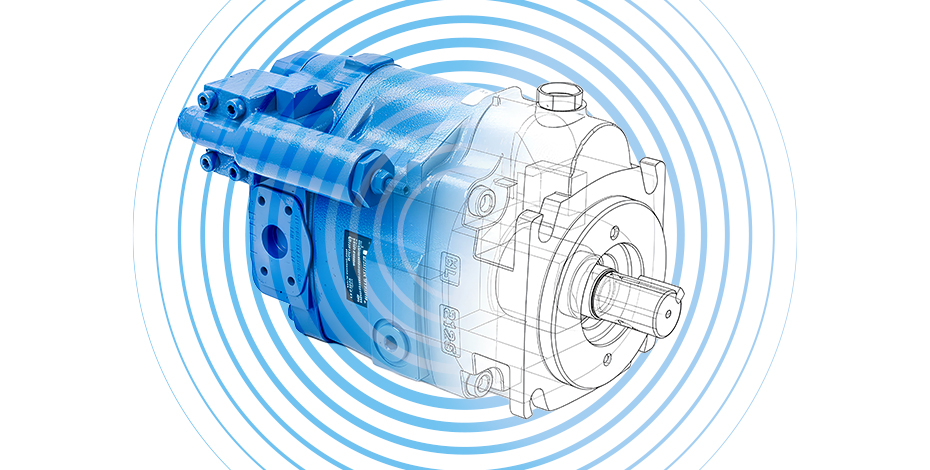
A harsh, crackling noise that grows worse under load can suggest cavitation. Cavitation occurs when the pump inlet is starved and vapor bubbles collapse as pressure rises. This can pit internal surfaces and rapidly accelerate wear. A hollow, hammering sound, especially when paired with milky oil or foaming in the reservoir, may indicate aeration, which means free air is entering the system or being churned into the fluid. Both conditions reduce efficiency and raise operating temperature, and both can damage components if allowed to continue.

Grinding or scraping is particularly concerning because it can point to bearing wear or internal scoring. Bearing damage often presents as a rumbling sound that increases with speed. If the noise changes sharply during startup, it may reflect cold oil viscosity issues, restricted suction flow, or a filter in bypass. Regardless of the type, a new sound is a leading indicator. If you hear it, document when it occurs, under what load, and whether it changes with temperature. Then plan an inspection before the pump is forced to operate through a full shift.

Pressure Drops and Reduced Performance in Daily Operation

A piston pump that cannot maintain pressure or flow is telling you that internal leakage is rising or control behavior is no longer stable. Operators may describe the machine as sluggish, weak, or inconsistent. Cycle times lengthen. Functions drift or stall under load. Pressure builds slowly or fluctuates when it should remain steady.

Pressure drops can stem from several sources, but a common root cause is wear on sealing surfaces within the pump. As parts wear, more oil slips past internal interfaces rather than being directed to the outlet. This leakage creates heat, reduces volumetric efficiency, and forces the prime mover to work harder to achieve the same result. In some cases, compensators or controls may be misadjusted or sticking, which can mimic pump wear by limiting displacement when full output is needed.

Reduced performance can also appear as pressure ripple, surging, or inconsistent motion when multiple functions operate at once. These symptoms may point to valve issues in the broader circuit, but the pump remains a prime suspect when the system is unable to meet demand across normal operating ranges. A simple test that compares flow at a known speed and pressure to expected performance can reveal whether the pump is still within acceptable limits. If performance has dropped noticeably, especially alongside increased noise or heat, treat it as a primary sign of hydraulic pump failure.

Bad Valves or Seals and Their Impact on Reliability

Seals and valves are often blamed for system problems because they are visible, serviceable, and frequently involved. In many cases, that blame is justified. A failing shaft seal can leak externally, pulling in dirt or allowing fluid loss that leads to overheating and aeration. Deteriorated O-rings and gaskets on fittings or manifolds can allow air ingress even when oil leakage appears minimal. This is especially common on the suction side, where small imperfections can draw air under vacuum.
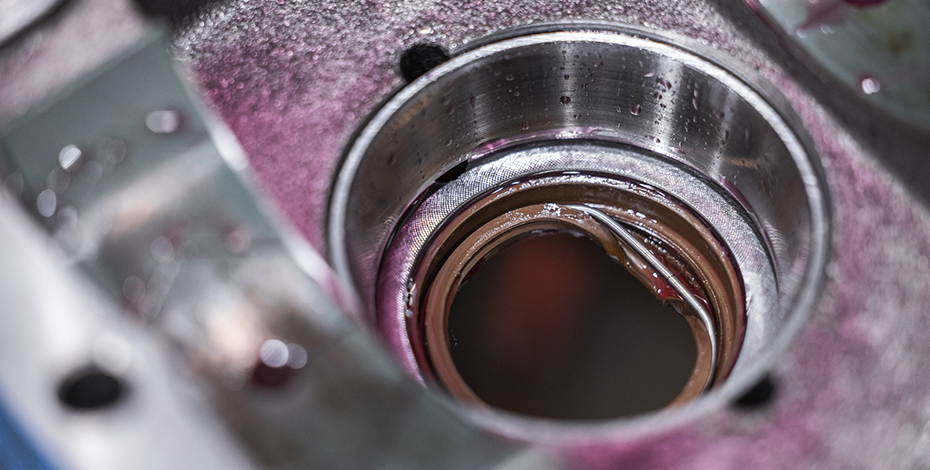
Inside the pump, control valves and compensators play a major role in stability. If a pressure compensator sticks, the pump may fail to stroke properly or may overshoot and hunt. If a load-sensing circuit bleeds off signal pressure, the pump may never reach commanded output. If internal check valves are worn or contaminated, flow can backfeed in ways that cause hesitation, chatter, or loss of prime. These problems often show up as inconsistent pressure, difficulty holding a load, or unexpected changes in response as temperature rises.

Seal degradation also affects internal leakage. When sealing interfaces wear, the pump must move more oil to achieve the same working output. Over time, this accelerates wear on bearings and rotating groups. Leaks and seals are not just housekeeping issues. They are often the opening act in a larger failure sequence. Treat external leaks, suction-side air entry, and control instability as problems to solve promptly, not issues to monitor casually.

Wear on Bearings and Visible Damage Across Manifolds, Valves, and Seals

Some warning signs are visible if you know where to look. Start with the pump body and mounting area. Look for oil weeping at the shaft, case seam, or fittings. Check for cracked housings, damaged mounting flanges, or loose hardware. Misalignment and vibration often leave clues such as fretting at coupling interfaces, worn keyways, or abnormal dust patterns around rotating connections.

Bearing wear may show up as excessive vibration, rising case temperature, or metal debris in filters. If you cut open a filter element and find shiny particles or magnetic debris, treat it as a serious warning. Bearing damage often progresses quickly once it begins. As bearings loosen, shafts can wobble, seals fail, and rotating groups lose alignment. That misalignment increases wear on pistons, slippers, and swash plates, and it can damage valve plates through uneven loading.
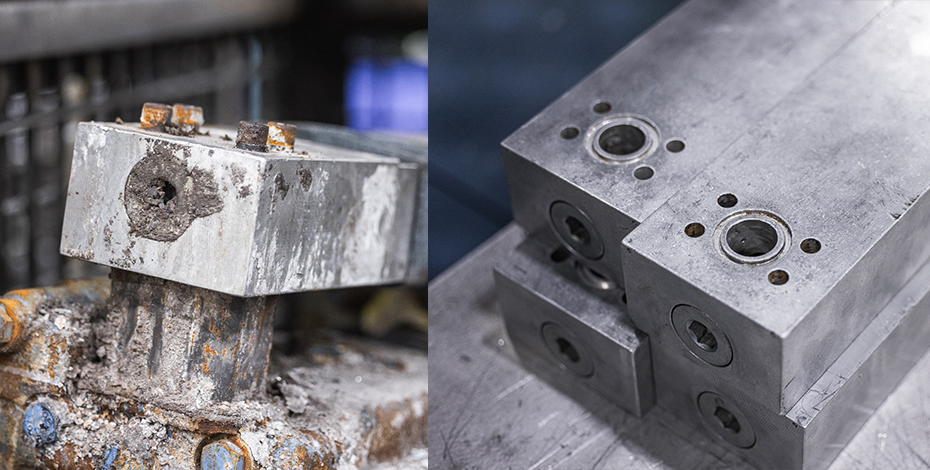
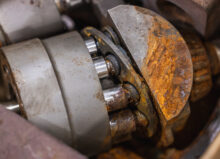
Inspect manifolds and valve blocks for erosion, scoring, and heat discoloration. Long-term contamination can abrade spool valves and orifices, leading to drift and unstable control. Water contamination can promote corrosion that pits surfaces and breaks down additives. Heat and oxidation can form varnish that causes spools to stick, especially after cooldown. Deterioration of these components can resemble pump failure because it reduces system efficiency and increases response variability. Still, the pump often suffers alongside these issues, and the two should be evaluated together.

Visible damage is rarely isolated. A scored manifold can shed debris that returns to the pump. A sticking valve can cause repeated relief events that overheat the pump. A failing seal can pull in dirt that accelerates wear everywhere. If you notice multiple symptoms at once, such as noise, heat, and slow response paired with visible leakage or debris, it is time to escalate the inspection.

A practical approach is to look for clusters of symptoms rather than a single cue. A noise change plus rising temperature is stronger evidence than either alone. Pressure loss paired with metal in the filter is more decisive than pressure loss by itself. When these signs align, the risk of sudden failure rises sharply.

The best outcome is an orderly repair, not a breakdown. When you recognize the signs of hydraulic pump failure early, you can avoid collateral damage to valves, motors, cylinders, and lines. You can protect oil cleanliness and keep productivity stable. At Panagon Systems, we manufacture hydraulic pumps and motors built for durability and consistent performance. If your piston pump is showing unusual sounds, pressure drops, leakage, or visible wear, contact Panagon Systems to discuss replacement or repair options that match your application. A timely decision can restore reliability and help your equipment return to steady, quiet operation.
Related posts

Hydraulic Fluid Types: Choosing the Right Oil for Your System

Hydraulic systems rarely fail without warning. Long before a piston pump quits, it usually signals distress through sound, heat, slow response, or visible wear. Knowing what to look for helps you protect uptime, prevent secondary damage, and schedule repair work before a small issue becomes a major expense. At Panagon Systems, we manufacture hydraulic pumps and motors for demanding applications, and we design with the expectation that reliability depends on both quality components and attentive maintenance. The good news is that most problems announce themselves early. The key is recognizing the signs of hydraulic pump failure and acting while the pump is still recoverable.

Unusual Sounds That Should Never Be Ignored

A healthy hydraulic piston pump has a steady tone that operators learn to tune out. When that tone changes, treat it as a diagnostic clue, not background noise. New rattling, grinding, knocking, or sharp whining often indicates a developing mechanical or inlet-side issue. Because piston pumps operate with tight clearances, abnormal sound frequently points to metal-to-metal contact, loss of lubrication, or unstable inlet conditions.

A harsh, crackling noise that grows worse under load can suggest cavitation. Cavitation occurs when the pump inlet is starved and vapor bubbles collapse as pressure rises. This can pit internal surfaces and rapidly accelerate wear. A hollow, hammering sound, especially when paired with milky oil or foaming in the reservoir, may indicate aeration, which means free air is entering the system or being churned into the fluid. Both conditions reduce efficiency and raise operating temperature, and both can damage components if allowed to continue.

Grinding or scraping is particularly concerning because it can point to bearing wear or internal scoring. Bearing damage often presents as a rumbling sound that increases with speed. If the noise changes sharply during startup, it may reflect cold oil viscosity issues, restricted suction flow, or a filter in bypass. Regardless of the type, a new sound is a leading indicator. If you hear it, document when it occurs, under what load, and whether it changes with temperature. Then plan an inspection before the pump is forced to operate through a full shift.

Pressure Drops and Reduced Performance in Daily Operation

A piston pump that cannot maintain pressure or flow is telling you that internal leakage is rising or control behavior is no longer stable. Operators may describe the machine as sluggish, weak, or inconsistent. Cycle times lengthen. Functions drift or stall under load. Pressure builds slowly or fluctuates when it should remain steady.

Pressure drops can stem from several sources, but a common root cause is wear on sealing surfaces within the pump. As parts wear, more oil slips past internal interfaces rather than being directed to the outlet. This leakage creates heat, reduces volumetric efficiency, and forces the prime mover to work harder to achieve the same result. In some cases, compensators or controls may be misadjusted or sticking, which can mimic pump wear by limiting displacement when full output is needed.

Reduced performance can also appear as pressure ripple, surging, or inconsistent motion when multiple functions operate at once. These symptoms may point to valve issues in the broader circuit, but the pump remains a prime suspect when the system is unable to meet demand across normal operating ranges. A simple test that compares flow at a known speed and pressure to expected performance can reveal whether the pump is still within acceptable limits. If performance has dropped noticeably, especially alongside increased noise or heat, treat it as a primary sign of hydraulic pump failure.

Bad Valves or Seals and Their Impact on Reliability

Seals and valves are often blamed for system problems because they are visible, serviceable, and frequently involved. In many cases, that blame is justified. A failing shaft seal can leak externally, pulling in dirt or allowing fluid loss that leads to overheating and aeration. Deteriorated O-rings and gaskets on fittings or manifolds can allow air ingress even when oil leakage appears minimal. This is especially common on the suction side, where small imperfections can draw air under vacuum.

Inside the pump, control valves and compensators play a major role in stability. If a pressure compensator sticks, the pump may fail to stroke properly or may overshoot and hunt. If a load-sensing circuit bleeds off signal pressure, the pump may never reach commanded output. If internal check valves are worn or contaminated, flow can backfeed in ways that cause hesitation, chatter, or loss of prime. These problems often show up as inconsistent pressure, difficulty holding a load, or unexpected changes in response as temperature rises.

Seal degradation also affects internal leakage. When sealing interfaces wear, the pump must move more oil to achieve the same working output. Over time, this accelerates wear on bearings and rotating groups. Leaks and seals are not just housekeeping issues. They are often the opening act in a larger failure sequence. Treat external leaks, suction-side air entry, and control instability as problems to solve promptly, not issues to monitor casually.

Wear on Bearings and Visible Damage Across Manifolds, Valves, and Seals

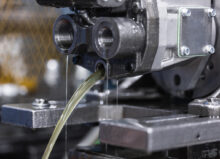
Some warning signs are visible if you know where to look. Start with the pump body and mounting area. Look for oil weeping at the shaft, case seam, or fittings. Check for cracked housings, damaged mounting flanges, or loose hardware. Misalignment and vibration often leave clues such as fretting at coupling interfaces, worn keyways, or abnormal dust patterns around rotating connections.

Bearing wear may show up as excessive vibration, rising case temperature, or metal debris in filters. If you cut open a filter element and find shiny particles or magnetic debris, treat it as a serious warning. Bearing damage often progresses quickly once it begins. As bearings loosen, shafts can wobble, seals fail, and rotating groups lose alignment. That misalignment increases wear on pistons, slippers, and swash plates, and it can damage valve plates through uneven loading.

Inspect manifolds and valve blocks for erosion, scoring, and heat discoloration. Long-term contamination can abrade spool valves and orifices, leading to drift and unstable control. Water contamination can promote corrosion that pits surfaces and breaks down additives. Heat and oxidation can form varnish that causes spools to stick, especially after cooldown. Deterioration of these components can resemble pump failure because it reduces system efficiency and increases response variability. Still, the pump often suffers alongside these issues, and the two should be evaluated together.

Visible damage is rarely isolated. A scored manifold can shed debris that returns to the pump. A sticking valve can cause repeated relief events that overheat the pump. A failing seal can pull in dirt that accelerates wear everywhere. If you notice multiple symptoms at once, such as noise, heat, and slow response paired with visible leakage or debris, it is time to escalate the inspection.

A practical approach is to look for clusters of symptoms rather than a single cue. A noise change plus rising temperature is stronger evidence than either alone. Pressure loss paired with metal in the filter is more decisive than pressure loss by itself. When these signs align, the risk of sudden failure rises sharply.

The best outcome is an orderly repair, not a breakdown. When you recognize the signs of hydraulic pump failure early, you can avoid collateral damage to valves, motors, cylinders, and lines. You can protect oil cleanliness and keep productivity stable. At Panagon Systems, we manufacture hydraulic pumps and motors built for durability and consistent performance. If your piston pump is showing unusual sounds, pressure drops, leakage, or visible wear, contact Panagon Systems to discuss replacement or repair options that match your application. A timely decision can restore reliability and help your equipment return to steady, quiet operation.
Hydraulic Reservoir Design: Why Tank Size and Layout Matter

Hydraulic systems rarely fail without warning. Long before a piston pump quits, it usually signals distress through sound, heat, slow response, or visible wear. Knowing what to look for helps you protect uptime, prevent secondary damage, and schedule repair work before a small issue becomes a major expense. At Panagon Systems, we manufacture hydraulic pumps and motors for demanding applications, and we design with the expectation that reliability depends on both quality components and attentive maintenance. The good news is that most problems announce themselves early. The key is recognizing the signs of hydraulic pump failure and acting while the pump is still recoverable.

Unusual Sounds That Should Never Be Ignored

A healthy hydraulic piston pump has a steady tone that operators learn to tune out. When that tone changes, treat it as a diagnostic clue, not background noise. New rattling, grinding, knocking, or sharp whining often indicates a developing mechanical or inlet-side issue. Because piston pumps operate with tight clearances, abnormal sound frequently points to metal-to-metal contact, loss of lubrication, or unstable inlet conditions.

A harsh, crackling noise that grows worse under load can suggest cavitation. Cavitation occurs when the pump inlet is starved and vapor bubbles collapse as pressure rises. This can pit internal surfaces and rapidly accelerate wear. A hollow, hammering sound, especially when paired with milky oil or foaming in the reservoir, may indicate aeration, which means free air is entering the system or being churned into the fluid. Both conditions reduce efficiency and raise operating temperature, and both can damage components if allowed to continue.

Grinding or scraping is particularly concerning because it can point to bearing wear or internal scoring. Bearing damage often presents as a rumbling sound that increases with speed. If the noise changes sharply during startup, it may reflect cold oil viscosity issues, restricted suction flow, or a filter in bypass. Regardless of the type, a new sound is a leading indicator. If you hear it, document when it occurs, under what load, and whether it changes with temperature. Then plan an inspection before the pump is forced to operate through a full shift.

Pressure Drops and Reduced Performance in Daily Operation

A piston pump that cannot maintain pressure or flow is telling you that internal leakage is rising or control behavior is no longer stable. Operators may describe the machine as sluggish, weak, or inconsistent. Cycle times lengthen. Functions drift or stall under load. Pressure builds slowly or fluctuates when it should remain steady.

Pressure drops can stem from several sources, but a common root cause is wear on sealing surfaces within the pump. As parts wear, more oil slips past internal interfaces rather than being directed to the outlet. This leakage creates heat, reduces volumetric efficiency, and forces the prime mover to work harder to achieve the same result. In some cases, compensators or controls may be misadjusted or sticking, which can mimic pump wear by limiting displacement when full output is needed.

Reduced performance can also appear as pressure ripple, surging, or inconsistent motion when multiple functions operate at once. These symptoms may point to valve issues in the broader circuit, but the pump remains a prime suspect when the system is unable to meet demand across normal operating ranges. A simple test that compares flow at a known speed and pressure to expected performance can reveal whether the pump is still within acceptable limits. If performance has dropped noticeably, especially alongside increased noise or heat, treat it as a primary sign of hydraulic pump failure.

Bad Valves or Seals and Their Impact on Reliability

Seals and valves are often blamed for system problems because they are visible, serviceable, and frequently involved. In many cases, that blame is justified. A failing shaft seal can leak externally, pulling in dirt or allowing fluid loss that leads to overheating and aeration. Deteriorated O-rings and gaskets on fittings or manifolds can allow air ingress even when oil leakage appears minimal. This is especially common on the suction side, where small imperfections can draw air under vacuum.

Inside the pump, control valves and compensators play a major role in stability. If a pressure compensator sticks, the pump may fail to stroke properly or may overshoot and hunt. If a load-sensing circuit bleeds off signal pressure, the pump may never reach commanded output. If internal check valves are worn or contaminated, flow can backfeed in ways that cause hesitation, chatter, or loss of prime. These problems often show up as inconsistent pressure, difficulty holding a load, or unexpected changes in response as temperature rises.

Seal degradation also affects internal leakage. When sealing interfaces wear, the pump must move more oil to achieve the same working output. Over time, this accelerates wear on bearings and rotating groups. Leaks and seals are not just housekeeping issues. They are often the opening act in a larger failure sequence. Treat external leaks, suction-side air entry, and control instability as problems to solve promptly, not issues to monitor casually.

Wear on Bearings and Visible Damage Across Manifolds, Valves, and Seals

Some warning signs are visible if you know where to look. Start with the pump body and mounting area. Look for oil weeping at the shaft, case seam, or fittings. Check for cracked housings, damaged mounting flanges, or loose hardware. Misalignment and vibration often leave clues such as fretting at coupling interfaces, worn keyways, or abnormal dust patterns around rotating connections.

Bearing wear may show up as excessive vibration, rising case temperature, or metal debris in filters. If you cut open a filter element and find shiny particles or magnetic debris, treat it as a serious warning. Bearing damage often progresses quickly once it begins. As bearings loosen, shafts can wobble, seals fail, and rotating groups lose alignment. That misalignment increases wear on pistons, slippers, and swash plates, and it can damage valve plates through uneven loading.

Inspect manifolds and valve blocks for erosion, scoring, and heat discoloration. Long-term contamination can abrade spool valves and orifices, leading to drift and unstable control. Water contamination can promote corrosion that pits surfaces and breaks down additives. Heat and oxidation can form varnish that causes spools to stick, especially after cooldown. Deterioration of these components can resemble pump failure because it reduces system efficiency and increases response variability. Still, the pump often suffers alongside these issues, and the two should be evaluated together.

Visible damage is rarely isolated. A scored manifold can shed debris that returns to the pump. A sticking valve can cause repeated relief events that overheat the pump. A failing seal can pull in dirt that accelerates wear everywhere. If you notice multiple symptoms at once, such as noise, heat, and slow response paired with visible leakage or debris, it is time to escalate the inspection.

A practical approach is to look for clusters of symptoms rather than a single cue. A noise change plus rising temperature is stronger evidence than either alone. Pressure loss paired with metal in the filter is more decisive than pressure loss by itself. When these signs align, the risk of sudden failure rises sharply.

The best outcome is an orderly repair, not a breakdown. When you recognize the signs of hydraulic pump failure early, you can avoid collateral damage to valves, motors, cylinders, and lines. You can protect oil cleanliness and keep productivity stable. At Panagon Systems, we manufacture hydraulic pumps and motors built for durability and consistent performance. If your piston pump is showing unusual sounds, pressure drops, leakage, or visible wear, contact Panagon Systems to discuss replacement or repair options that match your application. A timely decision can restore reliability and help your equipment return to steady, quiet operation.
Leave a Comment

Leave a Reply

Your email address will not be published.


Top

Your Choice for OEM Quality Replacement Components

Our manufacturing facility houses many CNC machines capable of producing high-quality hydraulic components and replacement parts.

Contact
Parts Resources Contact