Top Signs Your Hydraulic Motor Needs Replacement
Top Signs Your Hydraulic Motor Needs Replacement
A failing hydraulic motor doesn’t always stop working overnight — it usually gives you warning signs that can be critical for early detection. Recognizing these hydraulic motor failure symptoms early can save you significant downtime, prevent system damage, and extend the life of other hydraulic components. Understanding these signs not only helps in timely repairs but also enhances operational efficiency, ensuring that machinery runs smoothly and productivity remains high.
Here are the most common indicators that your hydraulic motor may need replacement:
In addition to recognizing the symptoms, it is also essential to understand the implications of ignoring these warning signs. Prolonged neglect can lead to more severe issues, requiring costly repairs or complete replacement of the hydraulic motor. Regular maintenance checks and monitoring of performance can help in identifying these issues early on.
1. Loss of Power or Torque
If your motor is running but struggling to deliver the usual power, internal leakage or worn components could be to blame. This loss of torque is often one of the first warning signs of mechanical wear and can severely impact the overall efficiency of your hydraulic system. For instance, if you’re using the motor in a construction vehicle, a noticeable decrease in lifting power might indicate that the hydraulic motor is on the verge of failure.
Additionally, strange noises can vary based on the type of machinery in which the hydraulic motor is installed. For example, in agricultural equipment, a whining noise might indicate that the hydraulic system is struggling under load, potentially leading to a complete breakdown if not addressed promptly.
2. Unusual Noises
Grinding, knocking, or whining sounds typically indicate bearing wear or cavitation — where air enters the hydraulic fluid, creating microbubbles that cause internal damage.
3. Overheating
When a motor consistently runs hot, it’s usually due to inefficient fluid flow or internal friction from worn seals or gears. Continuous overheating will quickly degrade seals and shorten component life, leading to more extensive damage. In industrial applications, overheating can not only affect the hydraulic motor but can also cause damage to connected systems, resulting in costly downtime.
To mitigate overheating, ensure that the hydraulic fluid is clean and at the correct level. Regular fluid checks and changes can prevent many overheating issues before they escalate. Furthermore, investing in quality filtration systems can help maintain optimal operating temperatures, extending the life of your hydraulic motor.
4. Fluid Leaks
It’s important to regularly inspect the hydraulic lines and connections for any signs of wear or leaks. Implementing a proactive maintenance schedule can help identify these issues before they evolve into larger problems, ensuring maximum efficiency and reducing repair costs.
Leaks around the housing, shaft seals, or fittings suggest seal deterioration. Even small leaks can reduce pressure, decrease performance, and contaminate surrounding components. For example, if the hydraulic motor is part of a heavy-duty machine, a minor leak could lead to a significant drop in operational efficiency, causing the machine to work harder and potentially leading to faster wear on other parts.
Addressing the root cause of these performance issues requires comprehensive diagnostic checks to ensure that all components of the hydraulic system are functioning correctly. Regular training for operators can also help them identify these signs early, facilitating timely repairs and maintenance.
5. Slow Response or Jerky Movement
Erratic performance can mean valve blockages, fluid contamination, or internal scoring. These symptoms usually worsen over time, eventually leading to total failure. For instance, in manufacturing machinery, jerky movements can disrupt production lines, leading to inefficiencies and increased operational costs.
In some cases, even if the motor appears to be in good condition, other components in the hydraulic system may be contributing to the perceived issues. Comprehensive system checks can reveal hidden problems that need addressing to ensure the motor operates optimally.
By staying vigilant for these hydraulic motor failure symptoms, you can maintain the health of your hydraulic systems and avoid unexpected breakdowns that could disrupt your operations.
Panagon Systems offers direct replacements for leading brands, helping you restore performance without costly OEM markups. Our expert team can assist you in evaluating whether a repair or replacement is the best option, ensuring that you make a well-informed decision that enhances your operational efficiency.
6. Visible Wear or Shaft Damage
During maintenance, inspect the motor shaft for scoring, corrosion, or wobble. Physical wear indicates alignment issues or long-term stress on the component. It’s crucial to document these findings and take corrective action to prevent further deterioration, which could lead to a complete hydraulic motor failure.
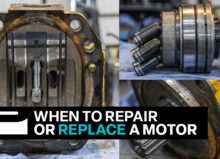
Repair or Replace?
If your hydraulic motor shows multiple symptoms or has surpassed its expected lifespan, replacement is often more cost-effective than repair. Consideration should also be given to the age of the entire hydraulic system, as older components may not perform well together.
Panagon Systems offers direct replacements for leading brands, helping you restore performance without costly OEM markups.