Talk to an Expert: 586-786-3920

What Causes Hydraulic Pump Overheating and How to Fix It
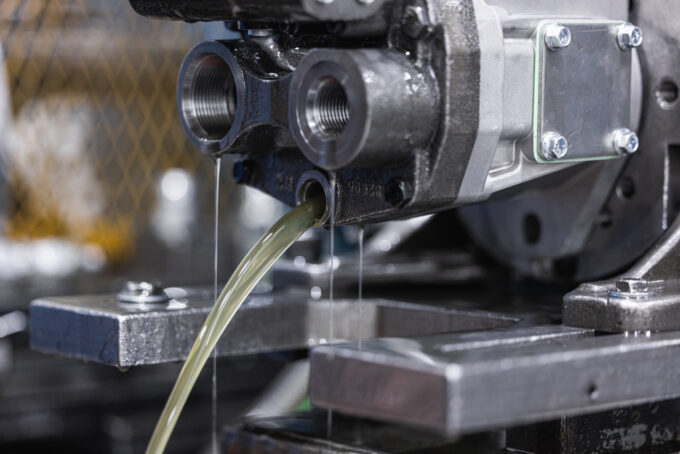
Hydraulic systems do not overheat without a reason. Excess heat is a symptom, not the root problem. When temperatures climb, performance usually slips right alongside them. Operators notice slower response, noisy operation, weak output, or a machine that feels inconsistent from one hour to the next. At Panagon Systems, we know that hydraulic pump overheating is one of the clearest warning signs that energy is being lost somewhere in the system. The challenge is finding out where that loss begins.

Heat builds when hydraulic power is not being turned into useful work. Instead, it is being wasted through friction, leakage, restriction, or pressure loss. In many cases, the pump gets blamed first, but the true cause may be fluid condition, a relief setting, a suction problem, or a control issue elsewhere in the circuit. The most effective troubleshooting process is the one that connects temperature rise to the system conditions creating it. Once you understand those links, hydraulic pump overheating becomes much easier to diagnose and correct.

Start With Fluid Viscosity and Internal Leakage

One of the first places to look is fluid viscosity. Hydraulic oil has to do two jobs at the same time. It must be thin enough to flow easily through lines and components, but thick enough to maintain a protective film between moving surfaces. If the oil is too thick, especially during cold starts, it resists movement and increases pressure drop. If it is too thin at operating temperature, it slips past internal sealing surfaces and creates more leakage. Both conditions can contribute to hydraulic pump overheating.

When viscosity is too high, the pump has to work harder to draw oil through the inlet side of the system. That added effort increases friction and can create inlet starvation, especially if the suction plumbing is already marginal. Thick oil also raises pressure losses across filters and valves, which means more energy is converted into heat before the fluid even reaches the actuator. Operators may notice sluggish starts, a pump that sounds strained, or a system that spikes pressure early in the shift.

When viscosity is too low, internal leakage becomes the bigger issue. Oil escapes across worn or closely fitted surfaces instead of contributing to useful output. The pump may still turn and create some flow, but it must work harder to maintain pressure. That wasted energy shows up as heat in the pump case and throughout the reservoir. A machine with low-viscosity oil often feels weak when hot, even if it seems acceptable when first started.

Internal leakage can also point to wear inside the pump. As rotating group components, valve plates, or control surfaces wear, leakage rises and efficiency falls. The system compensates by demanding more input power to do the same work. The result is a pump that runs hotter, loses performance under load, and struggles more as the day goes on. If hydraulic pump overheating is paired with high case-drain flow, declining pressure stability, or slow response, internal leakage should move high on the suspect list.

Check for Relief-Valve Losses and Misadjusted Controls

A hydraulic system creates heat any time oil is forced across a pressure difference without doing useful work. One of the most common examples is relief-valve loss. When a relief valve opens too often, or stays open longer than it should, fluid is simply being pushed across a restriction and returned to tank. That turns hydraulic energy into heat very quickly.

This can happen when the relief valve is set too low for the application, when an actuator is being dead-headed, or when another problem in the circuit prevents flow from reaching the work function. It can also happen when operators routinely hold a function against the end of stroke. In every case, the heat source is the same. The pump continues delivering flow, but that flow is not doing productive work. Instead, it is bypassing through the relief path and heating the oil.

Misadjusted pump controls can create similar problems. A pressure-compensated pump that is set incorrectly may remain at high standby pressure longer than necessary. A load-sensing system with poor margin settings may generate more pressure than the load truly requires. A compensator that sticks or hunts can cause repeated pressure fluctuations, each one adding thermal stress to the system. These problems are not always obvious at first. The machine may still function, but it may run hotter, feel harsher, or consume more power than expected.

This is why control settings deserve careful review during any overheating complaint. Check compensator settings, load-sense margin, and relief values against the machine’s intended operating range. Observe whether the system is sitting at high pressure during idle or light demand. A healthy circuit should not generate excessive heat while doing very little. If it does, the issue is often tied to control logic, not just component condition.

Look Closely at Contamination and Inlet Restriction

Contamination is another major driver of hydraulic pump overheating. Dirt, metal particles, water, and degraded fluid all interfere with smooth hydraulic operation. Particles abrade wear surfaces, increase friction, and damage sealing interfaces. Water reduces lubricity and can accelerate corrosion. Oxidized fluid can form varnish that makes valves stick and raises internal drag. The result is a system that loses efficiency and builds heat more easily.

Contamination often works in stages. At first, it may create subtle wear that increases internal leakage. Over time, it can also restrict valve movement, damage bearing surfaces, and clog filters. A clogged filter creates its own heat problem because pressure drop rises across the element. If the filter bypass opens, unfiltered oil may circulate through the system, accelerating wear and adding even more sources of thermal loss.

Inlet restriction deserves just as much attention. A hydraulic pump cannot perform properly if it is starved for oil. Restrictions on the suction side reduce the amount of fluid reaching the pump and force it to work harder to fill its internal chambers. This can lead to cavitation, aeration, noise, and rising temperature. Common causes include clogged strainers, undersized suction lines, collapsed hoses, blocked shutoff valves, or poor reservoir design.

The symptoms often overlap. A restricted inlet may create a whining or crackling sound, especially during cold starts. The pump may run hot, and the fluid may foam if air is being drawn in through loose fittings. Operators may report sluggish performance that improves slightly as the system warms. These signs point to a supply problem, not just a pressure problem.

When investigating hydraulic pump overheating, always inspect the suction side carefully. Check hose condition, fitting tightness, fluid level, and the condition of any inlet screens or strainers. Review reservoir layout as well. Poor baffling, turbulent return flow, or a suction port placed too close to the return can aggravate aeration and inlet instability. A pump that cannot get a steady supply of clean oil will always run hotter than it should.

Build a Practical Troubleshooting Routine That Leads to Action

The best way to solve hydraulic pump overheating is to follow a repeatable sequence. Start with the basics. Confirm fluid level, fluid grade, and operating temperature. Inspect the oil for signs of contamination, foaming, or discoloration. Check filters and breathers. Then move to system measurements. Compare reservoir temperature to pump housing temperature. Measure case-drain flow if the pump design allows it. Review pressure settings and observe whether relief valves are opening during normal operation.

Next, narrow the problem by looking at when the heat appears. If overheating happens immediately on startup, viscosity or inlet restriction may be driving the issue. If temperature rises mainly during heavy work, internal leakage or relief losses may be more likely. If the system runs hot even during idle or light demand, misadjusted controls should move to the front of the list.

It is also important to look for combined causes. Many overheating cases are not caused by one problem alone. A system may have slightly thin oil, a partially restricted inlet, and a relief setting that is just high enough to waste energy. Each issue may seem manageable by itself, but together they create a machine that runs hot and wears faster than it should.

A practical troubleshooting approach links symptoms to causes instead of replacing parts at random. Heat is a useful clue because it shows where efficiency is being lost. Once you find that loss, the right corrective action becomes clearer. Sometimes the answer is a fluid change. Sometimes it is a filter, a suction hose, or a control adjustment. In other cases, rising case-drain flow and poor hot performance point to wear inside the pump that requires replacement parts or a more complete service decision.

At Panagon Systems, we help customers understand the conditions that shorten pump life and the parts needed to restore reliable operation. If you are dealing with hydraulic pump overheating and need help identifying the source of the problem or selecting the right hydraulic pump and components, contact Panagon Systems. Our team can help you move from symptoms to solutions with greater confidence.
Related posts

Hydraulic Fluid Types: Choosing the Right Oil for Your System

Hydraulic systems do not overheat without a reason. Excess heat is a symptom, not the root problem. When temperatures climb, performance usually slips right alongside them. Operators notice slower response, noisy operation, weak output, or a machine that feels inconsistent from one hour to the next. At Panagon Systems, we know that hydraulic pump overheating is one of the clearest warning signs that energy is being lost somewhere in the system. The challenge is finding out where that loss begins.

Heat builds when hydraulic power is not being turned into useful work. Instead, it is being wasted through friction, leakage, restriction, or pressure loss. In many cases, the pump gets blamed first, but the true cause may be fluid condition, a relief setting, a suction problem, or a control issue elsewhere in the circuit. The most effective troubleshooting process is the one that connects temperature rise to the system conditions creating it. Once you understand those links, hydraulic pump overheating becomes much easier to diagnose and correct.

Start With Fluid Viscosity and Internal Leakage

One of the first places to look is fluid viscosity. Hydraulic oil has to do two jobs at the same time. It must be thin enough to flow easily through lines and components, but thick enough to maintain a protective film between moving surfaces. If the oil is too thick, especially during cold starts, it resists movement and increases pressure drop. If it is too thin at operating temperature, it slips past internal sealing surfaces and creates more leakage. Both conditions can contribute to hydraulic pump overheating.

When viscosity is too high, the pump has to work harder to draw oil through the inlet side of the system. That added effort increases friction and can create inlet starvation, especially if the suction plumbing is already marginal. Thick oil also raises pressure losses across filters and valves, which means more energy is converted into heat before the fluid even reaches the actuator. Operators may notice sluggish starts, a pump that sounds strained, or a system that spikes pressure early in the shift.

When viscosity is too low, internal leakage becomes the bigger issue. Oil escapes across worn or closely fitted surfaces instead of contributing to useful output. The pump may still turn and create some flow, but it must work harder to maintain pressure. That wasted energy shows up as heat in the pump case and throughout the reservoir. A machine with low-viscosity oil often feels weak when hot, even if it seems acceptable when first started.

Internal leakage can also point to wear inside the pump. As rotating group components, valve plates, or control surfaces wear, leakage rises and efficiency falls. The system compensates by demanding more input power to do the same work. The result is a pump that runs hotter, loses performance under load, and struggles more as the day goes on. If hydraulic pump overheating is paired with high case-drain flow, declining pressure stability, or slow response, internal leakage should move high on the suspect list.

Check for Relief-Valve Losses and Misadjusted Controls

A hydraulic system creates heat any time oil is forced across a pressure difference without doing useful work. One of the most common examples is relief-valve loss. When a relief valve opens too often, or stays open longer than it should, fluid is simply being pushed across a restriction and returned to tank. That turns hydraulic energy into heat very quickly.

This can happen when the relief valve is set too low for the application, when an actuator is being dead-headed, or when another problem in the circuit prevents flow from reaching the work function. It can also happen when operators routinely hold a function against the end of stroke. In every case, the heat source is the same. The pump continues delivering flow, but that flow is not doing productive work. Instead, it is bypassing through the relief path and heating the oil.

Misadjusted pump controls can create similar problems. A pressure-compensated pump that is set incorrectly may remain at high standby pressure longer than necessary. A load-sensing system with poor margin settings may generate more pressure than the load truly requires. A compensator that sticks or hunts can cause repeated pressure fluctuations, each one adding thermal stress to the system. These problems are not always obvious at first. The machine may still function, but it may run hotter, feel harsher, or consume more power than expected.

This is why control settings deserve careful review during any overheating complaint. Check compensator settings, load-sense margin, and relief values against the machine’s intended operating range. Observe whether the system is sitting at high pressure during idle or light demand. A healthy circuit should not generate excessive heat while doing very little. If it does, the issue is often tied to control logic, not just component condition.

Look Closely at Contamination and Inlet Restriction

Contamination is another major driver of hydraulic pump overheating. Dirt, metal particles, water, and degraded fluid all interfere with smooth hydraulic operation. Particles abrade wear surfaces, increase friction, and damage sealing interfaces. Water reduces lubricity and can accelerate corrosion. Oxidized fluid can form varnish that makes valves stick and raises internal drag. The result is a system that loses efficiency and builds heat more easily.

Contamination often works in stages. At first, it may create subtle wear that increases internal leakage. Over time, it can also restrict valve movement, damage bearing surfaces, and clog filters. A clogged filter creates its own heat problem because pressure drop rises across the element. If the filter bypass opens, unfiltered oil may circulate through the system, accelerating wear and adding even more sources of thermal loss.

Inlet restriction deserves just as much attention. A hydraulic pump cannot perform properly if it is starved for oil. Restrictions on the suction side reduce the amount of fluid reaching the pump and force it to work harder to fill its internal chambers. This can lead to cavitation, aeration, noise, and rising temperature. Common causes include clogged strainers, undersized suction lines, collapsed hoses, blocked shutoff valves, or poor reservoir design.

The symptoms often overlap. A restricted inlet may create a whining or crackling sound, especially during cold starts. The pump may run hot, and the fluid may foam if air is being drawn in through loose fittings. Operators may report sluggish performance that improves slightly as the system warms. These signs point to a supply problem, not just a pressure problem.

When investigating hydraulic pump overheating, always inspect the suction side carefully. Check hose condition, fitting tightness, fluid level, and the condition of any inlet screens or strainers. Review reservoir layout as well. Poor baffling, turbulent return flow, or a suction port placed too close to the return can aggravate aeration and inlet instability. A pump that cannot get a steady supply of clean oil will always run hotter than it should.

Build a Practical Troubleshooting Routine That Leads to Action

The best way to solve hydraulic pump overheating is to follow a repeatable sequence. Start with the basics. Confirm fluid level, fluid grade, and operating temperature. Inspect the oil for signs of contamination, foaming, or discoloration. Check filters and breathers. Then move to system measurements. Compare reservoir temperature to pump housing temperature. Measure case-drain flow if the pump design allows it. Review pressure settings and observe whether relief valves are opening during normal operation.

Next, narrow the problem by looking at when the heat appears. If overheating happens immediately on startup, viscosity or inlet restriction may be driving the issue. If temperature rises mainly during heavy work, internal leakage or relief losses may be more likely. If the system runs hot even during idle or light demand, misadjusted controls should move to the front of the list.

It is also important to look for combined causes. Many overheating cases are not caused by one problem alone. A system may have slightly thin oil, a partially restricted inlet, and a relief setting that is just high enough to waste energy. Each issue may seem manageable by itself, but together they create a machine that runs hot and wears faster than it should.

A practical troubleshooting approach links symptoms to causes instead of replacing parts at random. Heat is a useful clue because it shows where efficiency is being lost. Once you find that loss, the right corrective action becomes clearer. Sometimes the answer is a fluid change. Sometimes it is a filter, a suction hose, or a control adjustment. In other cases, rising case-drain flow and poor hot performance point to wear inside the pump that requires replacement parts or a more complete service decision.

At Panagon Systems, we help customers understand the conditions that shorten pump life and the parts needed to restore reliable operation. If you are dealing with hydraulic pump overheating and need help identifying the source of the problem or selecting the right hydraulic pump and components, contact Panagon Systems. Our team can help you move from symptoms to solutions with greater confidence.
Hydraulic Reservoir Design: Why Tank Size and Layout Matter

Hydraulic systems do not overheat without a reason. Excess heat is a symptom, not the root problem. When temperatures climb, performance usually slips right alongside them. Operators notice slower response, noisy operation, weak output, or a machine that feels inconsistent from one hour to the next. At Panagon Systems, we know that hydraulic pump overheating is one of the clearest warning signs that energy is being lost somewhere in the system. The challenge is finding out where that loss begins.

Heat builds when hydraulic power is not being turned into useful work. Instead, it is being wasted through friction, leakage, restriction, or pressure loss. In many cases, the pump gets blamed first, but the true cause may be fluid condition, a relief setting, a suction problem, or a control issue elsewhere in the circuit. The most effective troubleshooting process is the one that connects temperature rise to the system conditions creating it. Once you understand those links, hydraulic pump overheating becomes much easier to diagnose and correct.

Start With Fluid Viscosity and Internal Leakage

One of the first places to look is fluid viscosity. Hydraulic oil has to do two jobs at the same time. It must be thin enough to flow easily through lines and components, but thick enough to maintain a protective film between moving surfaces. If the oil is too thick, especially during cold starts, it resists movement and increases pressure drop. If it is too thin at operating temperature, it slips past internal sealing surfaces and creates more leakage. Both conditions can contribute to hydraulic pump overheating.

When viscosity is too high, the pump has to work harder to draw oil through the inlet side of the system. That added effort increases friction and can create inlet starvation, especially if the suction plumbing is already marginal. Thick oil also raises pressure losses across filters and valves, which means more energy is converted into heat before the fluid even reaches the actuator. Operators may notice sluggish starts, a pump that sounds strained, or a system that spikes pressure early in the shift.

When viscosity is too low, internal leakage becomes the bigger issue. Oil escapes across worn or closely fitted surfaces instead of contributing to useful output. The pump may still turn and create some flow, but it must work harder to maintain pressure. That wasted energy shows up as heat in the pump case and throughout the reservoir. A machine with low-viscosity oil often feels weak when hot, even if it seems acceptable when first started.

Internal leakage can also point to wear inside the pump. As rotating group components, valve plates, or control surfaces wear, leakage rises and efficiency falls. The system compensates by demanding more input power to do the same work. The result is a pump that runs hotter, loses performance under load, and struggles more as the day goes on. If hydraulic pump overheating is paired with high case-drain flow, declining pressure stability, or slow response, internal leakage should move high on the suspect list.

Check for Relief-Valve Losses and Misadjusted Controls

A hydraulic system creates heat any time oil is forced across a pressure difference without doing useful work. One of the most common examples is relief-valve loss. When a relief valve opens too often, or stays open longer than it should, fluid is simply being pushed across a restriction and returned to tank. That turns hydraulic energy into heat very quickly.

This can happen when the relief valve is set too low for the application, when an actuator is being dead-headed, or when another problem in the circuit prevents flow from reaching the work function. It can also happen when operators routinely hold a function against the end of stroke. In every case, the heat source is the same. The pump continues delivering flow, but that flow is not doing productive work. Instead, it is bypassing through the relief path and heating the oil.

Misadjusted pump controls can create similar problems. A pressure-compensated pump that is set incorrectly may remain at high standby pressure longer than necessary. A load-sensing system with poor margin settings may generate more pressure than the load truly requires. A compensator that sticks or hunts can cause repeated pressure fluctuations, each one adding thermal stress to the system. These problems are not always obvious at first. The machine may still function, but it may run hotter, feel harsher, or consume more power than expected.

This is why control settings deserve careful review during any overheating complaint. Check compensator settings, load-sense margin, and relief values against the machine’s intended operating range. Observe whether the system is sitting at high pressure during idle or light demand. A healthy circuit should not generate excessive heat while doing very little. If it does, the issue is often tied to control logic, not just component condition.

Look Closely at Contamination and Inlet Restriction

Contamination is another major driver of hydraulic pump overheating. Dirt, metal particles, water, and degraded fluid all interfere with smooth hydraulic operation. Particles abrade wear surfaces, increase friction, and damage sealing interfaces. Water reduces lubricity and can accelerate corrosion. Oxidized fluid can form varnish that makes valves stick and raises internal drag. The result is a system that loses efficiency and builds heat more easily.

Contamination often works in stages. At first, it may create subtle wear that increases internal leakage. Over time, it can also restrict valve movement, damage bearing surfaces, and clog filters. A clogged filter creates its own heat problem because pressure drop rises across the element. If the filter bypass opens, unfiltered oil may circulate through the system, accelerating wear and adding even more sources of thermal loss.

Inlet restriction deserves just as much attention. A hydraulic pump cannot perform properly if it is starved for oil. Restrictions on the suction side reduce the amount of fluid reaching the pump and force it to work harder to fill its internal chambers. This can lead to cavitation, aeration, noise, and rising temperature. Common causes include clogged strainers, undersized suction lines, collapsed hoses, blocked shutoff valves, or poor reservoir design.

The symptoms often overlap. A restricted inlet may create a whining or crackling sound, especially during cold starts. The pump may run hot, and the fluid may foam if air is being drawn in through loose fittings. Operators may report sluggish performance that improves slightly as the system warms. These signs point to a supply problem, not just a pressure problem.

When investigating hydraulic pump overheating, always inspect the suction side carefully. Check hose condition, fitting tightness, fluid level, and the condition of any inlet screens or strainers. Review reservoir layout as well. Poor baffling, turbulent return flow, or a suction port placed too close to the return can aggravate aeration and inlet instability. A pump that cannot get a steady supply of clean oil will always run hotter than it should.

Build a Practical Troubleshooting Routine That Leads to Action

The best way to solve hydraulic pump overheating is to follow a repeatable sequence. Start with the basics. Confirm fluid level, fluid grade, and operating temperature. Inspect the oil for signs of contamination, foaming, or discoloration. Check filters and breathers. Then move to system measurements. Compare reservoir temperature to pump housing temperature. Measure case-drain flow if the pump design allows it. Review pressure settings and observe whether relief valves are opening during normal operation.

Next, narrow the problem by looking at when the heat appears. If overheating happens immediately on startup, viscosity or inlet restriction may be driving the issue. If temperature rises mainly during heavy work, internal leakage or relief losses may be more likely. If the system runs hot even during idle or light demand, misadjusted controls should move to the front of the list.

It is also important to look for combined causes. Many overheating cases are not caused by one problem alone. A system may have slightly thin oil, a partially restricted inlet, and a relief setting that is just high enough to waste energy. Each issue may seem manageable by itself, but together they create a machine that runs hot and wears faster than it should.

A practical troubleshooting approach links symptoms to causes instead of replacing parts at random. Heat is a useful clue because it shows where efficiency is being lost. Once you find that loss, the right corrective action becomes clearer. Sometimes the answer is a fluid change. Sometimes it is a filter, a suction hose, or a control adjustment. In other cases, rising case-drain flow and poor hot performance point to wear inside the pump that requires replacement parts or a more complete service decision.

At Panagon Systems, we help customers understand the conditions that shorten pump life and the parts needed to restore reliable operation. If you are dealing with hydraulic pump overheating and need help identifying the source of the problem or selecting the right hydraulic pump and components, contact Panagon Systems. Our team can help you move from symptoms to solutions with greater confidence.
Leave a Comment

Leave a Reply

Your email address will not be published.


Top

Your Choice for OEM Quality Replacement Components

Our manufacturing facility houses many CNC machines capable of producing high-quality hydraulic components and replacement parts.

Contact
Parts Resources Contact