Winterizing Hydraulic Systems: A Practical Guide From Panagon Systems
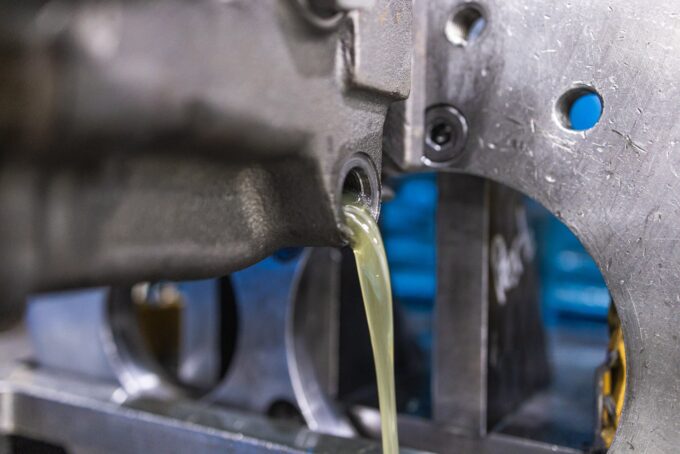
At Panagon Systems, we work with customers who run their equipment through every season. Winter brings a special set of challenges that can strain pumps, motors, and valves. When temperatures fall, hydraulic oil thickens, water in the system can crystallize, and elastomers become less flexible. Flow slows, pressure spikes, and components see added stress during cold starts. The result is sluggish response, cavitation, seal damage, and early wear. None of this is inevitable. With a plan for winterizing hydraulic systems, your machines can start cleanly, reach operating pressure faster, and stay productive even when the thermometer drops.
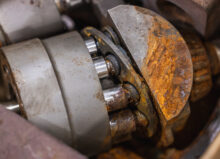
Cold starts are the biggest risk. Viscosity rises as oil gets colder, which means your pump works harder to pull fluid through suction lines and filters. If the supply of oil cannot keep up with pump demand, small vapor bubbles form and collapse in the pump. That cavitation erodes metal surfaces and shortens component life. At the same time, stiff hoses and seals resist movement, which can cause leaks once the system warms and pressure stabilizes. Without winter prep, the first hour of work on a freezing morning can be the most damaging hour of the season.
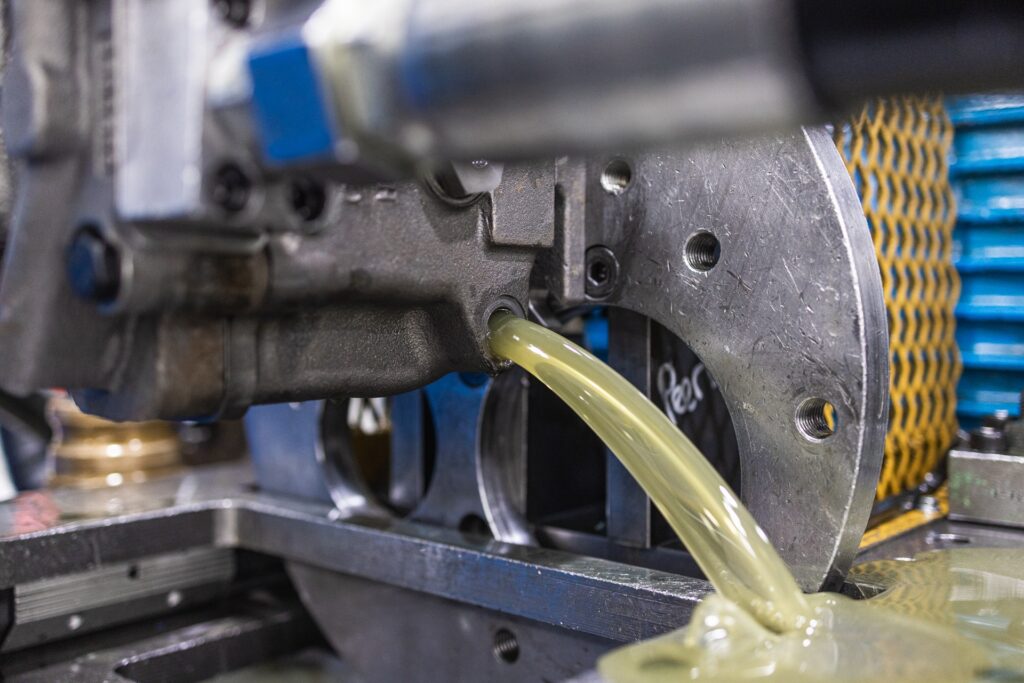
Moisture is another silent threat. Water enters through breathers, condensation, or contaminated fluid. In freezing conditions it can turn to ice crystals that score surfaces and block valves. Even if it does not freeze solid, water reduces lubricity and promotes corrosion. The combination of high viscosity and moisture is a recipe for downtime. The good news is that both issues are manageable with the right steps and the right parts.
A Practical Checklist for Winterizing Hydraulic Systems
Start with inspection. Walk the machine and look for weeping fittings, softened hoses, and any sign of abrasion. Minor leaks that seem manageable in summer grow worse in winter as elastomers harden. Replace questionable hoses and O-rings before the cold sets in. Check suction lines for tight bends or restrictions. The pump needs an easy path for cold oil.
Move to the reservoir. Verify fluid level and look for signs of aeration or contamination. Pull a fluid sample and test for water content and particle count. If the oil is near the end of its service life, replace it before winter. A fresh charge with the correct viscosity grade improves cold start performance and protects moving parts. If your machine sees wide temperature swings, consider a premium multigrade or a synthetic option that maintains stable viscosity across seasons.
Evaluate filtration. In cold weather, clogged filters starve the pump. Change return and pressure elements now so the system starts the season with low differential pressure. If your suction strainer is too fine, it may restrict cold oil. We recommend sizing suction protection carefully to avoid unnecessary pressure drop. Upgrading breathers to desiccant styles helps keep moisture out of the reservoir through daily temperature cycles.
Address heat management. Many fleets install tank heaters or in-line warmers to bring the fluid up to a safe start temperature. If your operation begins before sunrise or your machines sit outside, a heater can pay for itself in reduced wear. Even without a heater, you can warm the system by cycling low-load functions first. Avoid full-load demands until the oil reaches its normal operating range.
Check controls and relief settings. Verify that cold relief pressures are set to protect the system during warm-up. Confirm that pilot lines and proportional valves function smoothly in low temperatures. Inspect electrical connectors for cracked boots and corrosion. Winter exposes weak points that go unnoticed in warmer months.
Finally, document your plan. Winterizing hydraulic systems is easier when you follow a checklist for each machine. Note fluid type and grade, filter part numbers, heater settings, and target warm-up routines. This makes it simple for operators and maintenance teams to repeat the process after mid-season service.
Fluids, Filtration, and Seals: Small Choices, Big Protection
Choosing the right fluid is the most important move you can make. A fluid that is too thick at low temperature will punish pumps and slow actuators. A fluid that is too thin at operating temperature will reduce film strength and raise wear. Strike the balance by following the equipment maker’s viscosity recommendations and by matching that to your climate. For many operations, a high VI fluid or a synthetic can deliver fast cold starts while staying stable during heavy work. If you are unsure, we can help you select a grade based on your ambient range and duty cycle.
Filtration protects that investment. Filter elements have a harder job in winter because oil is dense and contaminants circulate during the first hours of operation. Start the season with fresh elements, verify bypass valve health, and monitor differential pressure. If your system uses offline filtration, keep it running during warm-up to polish the fluid while the machine idles. Do not forget the breather. A quality desiccant breather keeps ambient moisture from being sucked into the tank as air contracts in the cold, and it traps particles that would otherwise enter with each breath.
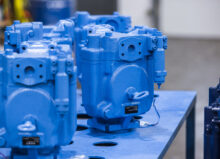
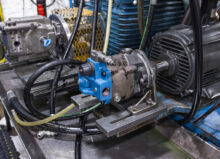
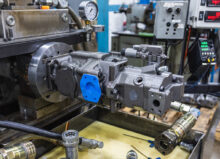
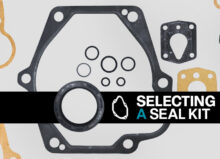
Seals and elastomers deserve attention too. Cold temperatures can cause some materials to shrink and lose elasticity. When the machine warms later in the day, a compromised seal can allow fluid to escape or dust to enter. Inspect rod wipers, shaft seals, and couplings for age and hardness. Replace tired components before they fail. Panagon Systems supplies and remanufactures hydraulic pumps and motors built to precise tolerances, and we can advise on compatible seal materials for your application and climate. A small upgrade in elastomer selection can prevent leaks and extend the service window between overhauls.
Do not overlook cleanliness in the reservoir. Sludge and varnish hold moisture and restrict flow around baffles and strainers. If your oil shows signs of oxidation, schedule a tank clean and flush. A clean reservoir combined with the right fluid, tight seals, and healthy filtration gives your system the best chance to perform on the coldest day of the year.
Keep Your Fleet Working: Partner With Panagon Systems
Winter is busy season for many industries. Snow removal, utility repair, forestry, mining, and construction do not pause for cold weather. Winterizing hydraulic systems protects your revenue, your schedule, and your equipment. The cost of a planned fluid change, fresh filters, and a few seals is far less than the cost of a breakdown in a remote site. A well prepared system also runs more efficiently. Faster warm-ups and smoother control reduce fuel burn and operator fatigue.
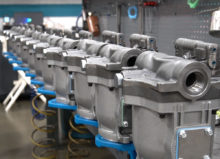
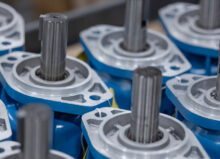
As a manufacturer and remanufacturer of high quality hydraulic pumps and motors, Panagon Systems helps customers plan around climate. We reverse engineer legacy components, stock critical spares, and build units that meet or exceed OEM performance. If a pump is already showing signs of cavitation damage or bearing wear, we can repair or replace it before winter workloads peak. We also help customers standardize fluids and filtration across fleets, which simplifies maintenance and improves reliability.
Here is a straightforward action plan you can start today. Inspect every machine for leaks and hose wear. Sample oil and confirm the correct viscosity grade for your climate. Replace filters and upgrade breathers. Add heaters where practical and define a warm-up routine for operators. Document the plan and schedule mid-season checks. If you find any pump or motor that is noisy, slow to build pressure, or running hot, get it evaluated now. Addressing issues before the first freeze gives you the widest set of options and the lowest total cost.
Our team is ready to help you choose components, fluids, and service intervals that match your environment and workload. If you need support selecting a pump, sourcing a hard-to-find part, or setting up a winter maintenance program, contact Panagon Systems. We will help you keep your hydraulics responsive, protected, and productive all winter long.